Grain and oilseeds farming plays a vital role in South Africa’s agricultural sector by supporting food security, livestock production, rural economies and local industries. Crops such as maize, wheat, soybeans, sunflower, sorghum and canola form an important part of the country’s food supply chain and provide income opportunities for thousands of farmers. Successful grain and oilseeds production requires careful planning, strong technical knowledge and effective management of resources such as land, water, seed and soil nutrients. Farmers must make decisions based on climate conditions, market demand, production costs and available technology to achieve profitable harvests. Understanding the basics of grain and oilseeds farming helps new and experienced farmers improve productivity while building sustainable agricultural businesses.
Grain crops are mainly grown for their seeds, which are used for human consumption, animal feed and industrial purposes. Maize is one of South Africa’s most important grain crops and is widely used for food products, livestock feed and various manufacturing processes. Wheat is another major crop, particularly important for bread and flour production, while sorghum provides an alternative grain suited to drier farming regions. Oilseed crops are grown primarily for their oils and protein-rich by-products, with soybeans and sunflower being among the most widely cultivated in South Africa. Soybean meal is also an important ingredient in animal feed, making oilseed production closely connected to the livestock industry.
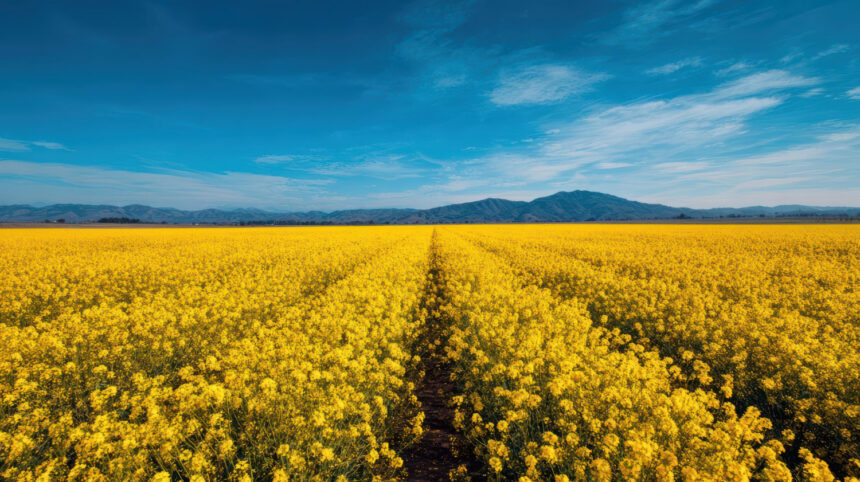
Choosing the right location is one of the first important decisions in grain and oilseeds farming. South Africa has diverse agricultural regions, and each area offers different conditions for crop production based on rainfall, temperature, soil type and available water resources. Summer rainfall areas, such as parts of the Free State, Mpumalanga, North West and KwaZulu-Natal, are important production zones for crops like maize, soybeans and sunflower. Winter rainfall regions and cooler areas are more suitable for crops such as wheat and canola. Farmers must understand their local climate and select crops that match their environmental conditions to improve the chances of successful production.
Soil preparation and management form the foundation of profitable grain and oilseeds farming. Healthy soil provides crops with essential nutrients, supports root development and improves water retention during dry periods. Before planting, farmers should conduct soil tests to determine nutrient levels, acidity and other factors that influence crop growth. Based on soil test results, farmers can apply the correct fertilizers and soil amendments to improve fertility and avoid unnecessary input costs. Practices such as crop rotation, conservation agriculture and maintaining organic matter help protect soil health and support long-term productivity.
Selecting quality seed is another important factor that influences crop performance. Farmers need to choose seed varieties that are suitable for their farming conditions, including resistance to diseases, tolerance to drought and ability to perform well under local climate conditions. Improved cultivars can help farmers achieve better yields and reduce production risks. Seed selection should also consider market requirements, as certain industries may prefer specific grain qualities or oil content levels. Working with reputable seed suppliers and agricultural advisors helps farmers make informed decisions before each planting season.
Planting practices have a direct impact on crop establishment and final yields. Farmers must consider planting dates, soil moisture levels, planting depth and plant population when preparing their fields. Planting too early or too late can expose crops to unfavourable weather conditions that affect growth and development. Modern farming equipment, including precision planters and GPS-guided machinery, allows farmers to improve accuracy and reduce input waste. Good planting practices create strong crop stands that provide a better foundation for achieving successful harvests.
Crop nutrition and fertilization management are essential components of grain and oilseeds production. Crops require nutrients such as nitrogen, phosphorus and potassium to support healthy growth and grain formation. However, applying too much or too little fertilizer can reduce profitability and affect soil health. Farmers should use soil testing, crop monitoring and expert recommendations to develop effective fertilization plans. Efficient nutrient management improves crop performance while helping farmers control production costs and protect natural resources.
Managing pests, diseases and weeds is another major challenge in grain and oilseeds farming. Weeds compete with crops for water, sunlight and nutrients, while pests and diseases can cause significant yield losses if they are not controlled. Farmers use integrated pest management approaches that combine monitoring, crop rotation, chemical control and biological methods to protect their fields. Regular field inspections allow farmers to identify problems early and respond before damage becomes severe. Responsible crop protection practices help maintain healthy crops while reducing unnecessary chemical use and supporting environmental sustainability.
Water management is becoming increasingly important as farmers face changing weather patterns and periods of drought. Although many grain and oilseed crops in South Africa are produced under dryland conditions, irrigation can provide valuable support in areas where water resources are available. Efficient irrigation systems help farmers use water responsibly while maintaining crop growth during critical development stages. Farmers must carefully manage water resources because excessive use can increase costs and place pressure on limited supplies. Combining good soil practices with effective water management helps crops withstand challenging conditions.
Harvesting and storage are critical stages that determine the quality and profitability of grain and oilseed production. Farmers must harvest crops at the correct moisture levels to reduce losses and maintain product quality. Poor storage conditions can lead to mould growth, insect damage and reduced market value. Proper storage facilities, including silos and controlled storage environments, help protect harvested grain until it is sold or processed. Effective post-harvest management ensures that the effort invested throughout the growing season results in a marketable product.
Technology is playing an increasingly important role in modern grain and oilseeds farming. Farmers are adopting tools such as precision agriculture systems, satellite monitoring, soil mapping and digital record-keeping to improve decision-making. These technologies help producers apply inputs more efficiently, monitor crop health and identify problems quickly. Data-driven farming allows producers to understand field conditions in greater detail and make adjustments that improve productivity. While technology requires investment, it can provide long-term benefits by reducing waste and improving overall farm efficiency.
Financial planning is also essential for successful grain and oilseeds farming. Farmers must carefully manage expenses related to seed, fertilizer, chemicals, machinery, labour, fuel and land preparation. Understanding market prices and managing risks through insurance, contracts or other financial tools can help protect farm income. Keeping accurate records allows farmers to evaluate production performance and make better decisions for future seasons. A profitable farming operation requires both strong agricultural skills and effective business management.
Grain and oilseeds farming remains an important part of South Africa’s agricultural future, providing food, economic opportunities and support for related industries. Success in this sector depends on combining sound farming practices with careful planning, innovation and responsible resource management. Farmers who focus on soil health, quality seed selection, efficient production methods and effective business strategies are better positioned to achieve sustainable results. As challenges such as climate change, rising input costs and market pressures continue to affect agriculture, continuous learning and adaptation will remain essential. By understanding the basics of grain and oilseeds farming, South African farmers can strengthen their operations and contribute to a more secure and resilient agricultural sector.
Join 'Farmers Mag' WhatsApp Channel
Get the latest Farming news and tips delivered straight to your WhatsApp
CLICK HERE TO JOIN