Choosing the right vehicle for farm work in South Africa can have a significant impact on productivity, operating costs and daily efficiency. Farms across the country face a wide range of conditions, from muddy fields and rocky mountain tracks to sandy roads and open grasslands. A dependable vehicle must be able to handle heavy loads, rough terrain and long distances while remaining reliable throughout the year. Modern farmers also need vehicles that are comfortable enough for long workdays and economical enough to keep running costs under control. Whether you manage a livestock farm, grow crops or operate a mixed agricultural business, selecting the right work vehicle is one of the most important investments you can make.
South Africa’s agricultural sector demands vehicles that can withstand harsh environments without compromising performance. During the rainy season, dirt roads often become slippery and difficult to navigate, while dry seasons create dusty conditions that challenge engines and air filtration systems. Many farms also require vehicles to tow trailers, transport feed, carry fencing materials or move workers safely around large properties. These demanding tasks mean that durability, towing capacity and off-road capability are often more important than luxury features. Fortunately, there are several excellent 4x4s and utility vehicles available that have built strong reputations among South African farmers.
Among the most trusted farm vehicles is the Toyota Hilux. For decades, the Hilux has been regarded as one of the toughest bakkies on the market. Its strong diesel engines, dependable four-wheel-drive system and excellent resale value make it a favourite in farming communities across South Africa. The Hilux performs well on gravel roads, muddy tracks and uneven terrain while remaining comfortable enough for daily driving between the farm and nearby towns. Its widespread dealer network and readily available spare parts also reduce downtime, which is essential during busy planting and harvesting seasons.
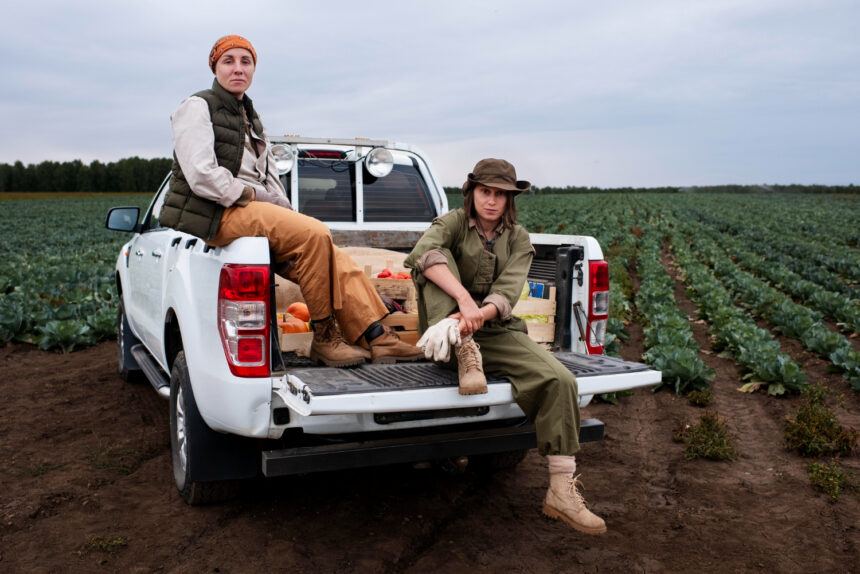
The Ford Ranger has become another popular choice for agricultural work. Modern Ranger models combine powerful engines with advanced safety features and impressive towing capabilities. Farmers who regularly tow livestock trailers, water tanks or farming equipment often appreciate the Ranger’s strong torque and stable handling. The spacious cabin provides comfort during long days in the field, while the durable load bin offers enough space for tools, fencing equipment, animal feed and harvested produce. The availability of different engine options also allows buyers to choose a model that best suits their workload and budget.
The Isuzu D-Max continues to earn praise for its reliability and low operating costs. Many South African farmers value the D-Max because it is built for hard work without unnecessary complexity. Its diesel engines are known for fuel efficiency, making it a practical option for farms where vehicles cover long distances every day. The suspension is designed to carry heavy loads without sacrificing stability, while its four-wheel-drive system provides dependable traction on difficult terrain. The D-Max also has a strong reputation for mechanical durability, helping owners avoid expensive repairs over time.
Another excellent option is the Nissan Navara. This bakkie offers a comfortable driving experience while maintaining the strength needed for demanding farm tasks. The Navara’s rear suspension provides a smoother ride than many traditional work vehicles, which can be beneficial when transporting workers or fragile equipment across uneven ground. Its towing ability and off-road performance make it suitable for both commercial farming and smaller agricultural operations. Farmers who split their time between work duties and family use often appreciate the Navara’s balance between practicality and everyday comfort.
The Mahindra Pik Up has gained increasing popularity among budget-conscious farmers. It offers solid reliability at a competitive purchase price, making it attractive for small and medium-sized farming businesses. Maintenance costs are generally lower than some premium competitors, while the diesel engines provide good fuel economy. Although it may not include every luxury feature found in more expensive models, the Pik Up focuses on durability and work capability. For many agricultural businesses, that combination represents excellent value for money.
The Mitsubishi Triton is another capable workhorse that deserves consideration. Its Super Select four-wheel-drive system allows drivers to adapt quickly to changing terrain, whether crossing muddy fields or travelling on paved roads. The Triton is known for dependable performance and respectable towing capacity. Farmers who frequently move between different road surfaces appreciate its flexibility and stability. The comfortable cabin and modern technology also make it suitable for long journeys between farms or agricultural suppliers.
Beyond traditional bakkies, some farmers benefit from larger utility vehicles depending on the nature of their operations. The Toyota Land Cruiser 79 Series remains one of the toughest agricultural vehicles available, particularly for remote farms with extremely rough terrain. Its heavy-duty construction, impressive payload capacity and legendary reliability make it ideal for demanding environments. Although it comes with a higher purchase price, many owners consider it a long-term investment due to its durability and strong resale value. The Land Cruiser is especially common on game farms, cattle ranches and large commercial operations where difficult terrain is a daily challenge.
For farms that require people movers alongside work vehicles, SUVs such as the Toyota Fortuner, Ford Everest and Isuzu MU-X can provide useful versatility. These vehicles offer four-wheel-drive capability while transporting farm managers, workers or family members comfortably. Although they are not designed to carry the same loads as bakkies, they perform well on gravel roads and provide excellent safety and comfort for longer journeys. Many farming businesses use an SUV alongside a dedicated work bakkie to meet different operational needs.
Side-by-side utility vehicles, often called UTVs, have also become increasingly common on South African farms. Brands such as Polaris, Can-Am, Honda and John Deere produce compact off-road vehicles designed specifically for agricultural work. UTVs are ideal for checking livestock, inspecting fences, carrying small loads and travelling quickly around large properties. They consume less fuel than full-sized vehicles and can access narrow trails where larger bakkies cannot operate easily. Many modern UTVs also feature enclosed cabins, power steering and cargo beds that improve comfort and productivity throughout the working day.
When selecting a farm vehicle, buyers should consider more than just the purchase price. Fuel economy, maintenance costs, availability of spare parts and dealer support all influence long-term ownership expenses. A vehicle that spends weeks waiting for replacement parts can disrupt farming operations during critical seasons. Payload capacity, towing capability, ground clearance and water wading ability should also match the specific requirements of the farm. Farmers who frequently transport heavy equipment may prioritise towing performance, while those working in mountainous regions may place greater emphasis on traction and suspension.
The ideal farm vehicle also depends on the type of agricultural operation being managed. Livestock farms often require strong towing capabilities for trailers and animal transport. Crop farms may need large load bins for carrying seed, fertiliser and harvested produce. Fruit and wine farms frequently operate on steep terrain where reliable four-wheel drive becomes essential. Mixed farming operations often benefit from owning multiple vehicles that perform different roles throughout the year, combining heavy-duty workhorses with smaller utility vehicles for daily inspections.
The best 4x4s and farm vehicles in South Africa combine strength, reliability, efficiency and durability. Models such as the Toyota Hilux, Ford Ranger, Isuzu D-Max, Nissan Navara, Mahindra Pik Up, Mitsubishi Triton and Toyota Land Cruiser have all earned strong reputations through years of dependable service in demanding agricultural conditions. Farmers should carefully assess their operational needs before making a purchase, focusing on long-term value rather than short-term savings. A well-chosen vehicle becomes more than just transportation because it supports productivity, improves safety and keeps essential farming activities running smoothly. Investing in the right vehicle today can help ensure that your farm remains efficient, profitable and prepared for every season.
Join 'Farmers Mag' WhatsApp Channel
Get the latest Farming news and tips delivered straight to your WhatsApp
CLICK HERE TO JOIN