Choosing the right seeds and seedlings in South Africa plays a major role in determining how successful your farming or gardening efforts will be. The country has a wide range of climates, from dry arid regions in the Northern Cape to subtropical areas in KwaZulu-Natal, and this means plant selection must match local conditions. Farmers and home growers often face crop failure not because of poor soil alone but because they start with the wrong planting material. Good seeds and healthy seedlings give stronger germination, better disease resistance and higher yields. This makes selection one of the most important early decisions in any agricultural project.
The first step in choosing seeds is understanding your local climate and growing season. In South Africa, rainfall patterns and temperature differences affect planting times and crop performance. For example, maize grows well in warmer regions with summer rainfall, while crops like spinach and carrots perform better in cooler conditions. You should always check whether a seed variety is suited for summer or winter planting. Indigenous and locally adapted varieties often perform better because they are already suited to South African soil and weather conditions. Paying attention to planting calendars provided by agricultural extension services helps you avoid seasonal mistakes that reduce yield.
Seed quality is another key factor that directly affects crop success. High quality seeds should be clean, uniform in size and free from damage or signs of disease. Certified seeds are often a better choice because they meet strict standards for germination and purity. Germination rate is especially important because it determines how many seeds will successfully sprout after planting. For example, a germination rate of 90 percent means nine out of ten seeds are likely to grow under proper conditions. You should also check the packaging date because older seeds lose viability over time and may result in poor plant growth.
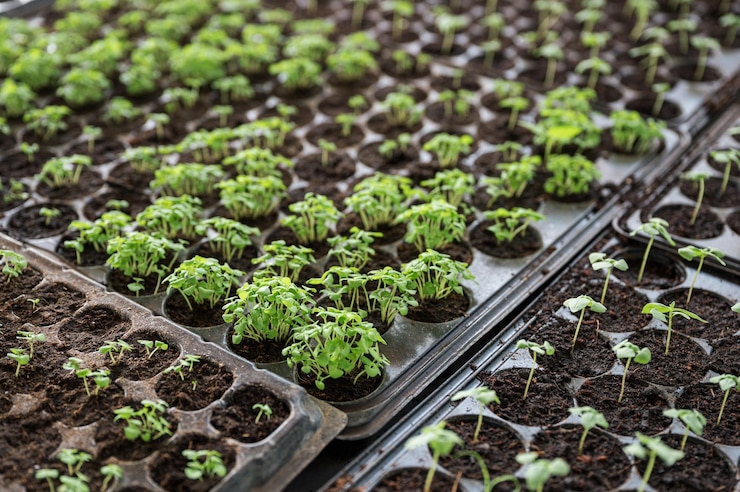
When selecting seedlings, health and appearance are critical indicators. Strong seedlings should have firm stems, healthy green leaves and well developed roots. Avoid seedlings that are yellow, wilted or show signs of pests and fungal infections. Root health is especially important because damaged roots struggle to absorb water and nutrients after transplanting. Seedlings grown in controlled nursery conditions often perform better because they are protected during early growth stages. However, you should still inspect them carefully before buying to ensure they are not stressed or overcrowded.
Soil compatibility should also guide your choice of seeds and seedlings. South African soils vary widely, from sandy coastal soils to heavy clay inland soils. Some crops thrive in well drained sandy soils, while others prefer moisture retaining clay soils. Testing your soil helps you understand its pH level and nutrient content before planting. Once you know your soil type, you can match it with crops that naturally perform well under those conditions. This reduces the need for excessive fertilizers and improves long term soil health.
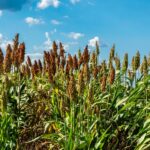
Water availability is another important factor, especially in drought prone areas of South Africa. Farmers in dry regions should prioritize drought resistant varieties that require less irrigation. Crops like sorghum and certain bean varieties are more resilient in low water conditions. In contrast, leafy vegetables require consistent watering and may not perform well in water scarce environments. Choosing water efficient crops helps you manage costs and reduces the risk of crop failure during dry spells. It also supports sustainable farming practices that protect limited water resources.
Buying seeds and seedlings from reputable suppliers is essential to avoid poor quality or counterfeit products. Agricultural cooperatives, certified nurseries and trusted agro-dealers are often safer options than informal markets. These suppliers usually provide information on crop performance, planting instructions and expected yields. They may also offer hybrid varieties that have been developed for higher productivity and disease resistance. However, you should always read labels carefully and confirm that the variety suits your region before purchasing.
Timing also plays a major role in successful planting. Even high quality seeds will fail if planted at the wrong time of year. In South Africa, summer rainfall regions usually plant between October and December, while winter rainfall areas follow different schedules. Aligning planting time with rainfall patterns ensures better germination and reduces dependence on irrigation. It also helps crops avoid extreme weather conditions such as frost or heatwaves that can damage young plants.
Choosing the right seeds and seedlings in South Africa requires careful planning, local knowledge and attention to detail. Climate, soil type, water availability and seed quality all influence agricultural success. Healthy seedlings and certified seeds increase productivity and reduce risks linked to pests, disease and poor germination. When farmers and gardeners make informed choices, they improve both yield and sustainability. Strong planting decisions at the beginning of the season create better harvests, stronger food security and more resilient farming systems across the country.
Join 'Farmers Mag' WhatsApp Channel
Get the latest Farming news and tips delivered straight to your WhatsApp
CLICK HERE TO JOIN