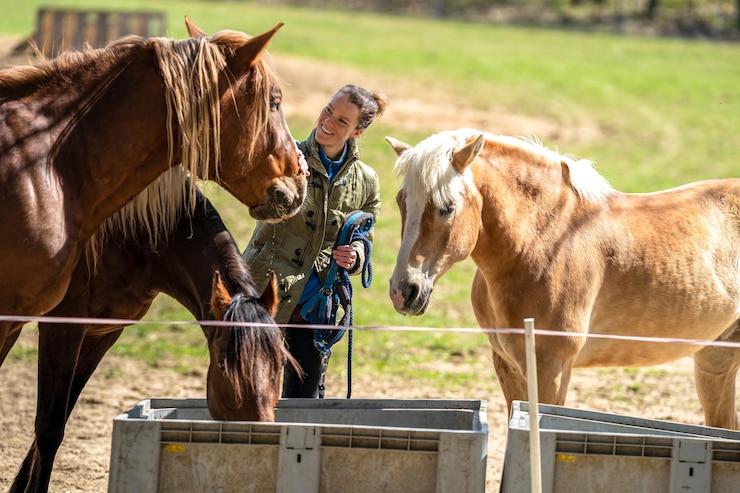
The equine industry plays an important role in South African agriculture, blending livestock production, sport, recreation, and rural business opportunities. Horses are used for multiple purposes across farms, including breeding, training, transport in rural areas, polo, racing, tourism, and leisure riding. This makes the sector diverse and economically valuable, especially in provinces where agriculture and tourism overlap. Many farms in South Africa have integrated horses into their operations as both working animals and income generating assets. As interest in equine activities grows, more farmers are exploring how horses can fit into their agricultural systems and business models.
The equine industry in South Africa is closely linked to rural development and land use. Farms that keep horses often require specific infrastructure such as stables, paddocks, training arenas, and veterinary facilities. These requirements create additional investment costs but also open up new income streams through boarding services, riding schools, and equestrian training centres. In areas such as Gauteng, Western Cape, KwaZulu Natal, and parts of the Free State, equine farming has developed into a structured industry supported by breeders, trainers, veterinarians, and feed suppliers. The presence of equine facilities also contributes to local employment, as workers are needed for stable management, grooming, feeding, and training.
Breeding is one of the core pillars of the equine industry on farms in South Africa. Horse breeding operations focus on producing animals for racing, sport disciplines like show jumping and dressage, and leisure riding markets. Successful breeding requires careful selection of stallions and mares, genetic planning, and proper veterinary care. Farmers must also invest in nutrition and controlled environments to ensure healthy foal development. The value of horses can vary significantly depending on breed, training, and performance potential, making breeding both a high risk and high reward enterprise.
Horse racing is one of the most visible segments of the equine industry in South Africa and contributes significantly to the agricultural economy. It involves training thoroughbreds for competitive racing events, which require strict conditioning programmes and specialized facilities. Farms that support racing horses often work closely with trainers, jockeys, and racing organizations. The industry generates income not only from race winnings but also from betting, sponsorships, and horse sales. However, it also requires high levels of investment in feed, veterinary care, and training infrastructure.
Beyond racing, equestrian sports such as show jumping, dressage, eventing, and polo have created strong demand for well trained horses. These disciplines are popular in both competitive and recreational markets, attracting participants from urban and rural areas. Farms that specialize in training sport horses often provide riding lessons, host competitions, and offer boarding services for privately owned horses. This segment of the industry supports tourism and lifestyle farming, where visitors engage in horse riding experiences and rural retreats. It also encourages youth participation in sport and skills development in animal handling and training.
Horse health and welfare are central to the success of any equine operation. Farms must ensure proper feeding programmes, regular veterinary check ups, vaccination schedules, and parasite control. Equine nutrition is particularly important because horses require balanced diets based on forage, grains, and supplements depending on their workload. Poor management can lead to injuries, illness, or reduced performance, which directly affects farm profitability. Veterinary services and farrier care form an essential support system within the industry, ensuring horses remain fit for breeding, sport, and work.
The equine industry also contributes to rural employment and skills development in South Africa. Many people find jobs as stable hands, trainers, groomers, riding instructors, and farm managers. Training programmes and equine schools help develop technical skills in horse care, riding, and management. This creates opportunities for young people who may not have access to traditional agricultural pathways. The industry also encourages entrepreneurship through riding schools, equine therapy services, and horse transport businesses.
Despite its opportunities, the equine industry faces challenges such as high operational costs, limited access to funding, and disease management risks. Feed prices, veterinary expenses, and infrastructure maintenance can make horse farming expensive compared to other livestock systems. Access to markets for sport horses and breeding stock can also be limited, especially for new entrants. However, farms that manage these challenges effectively can build strong and sustainable businesses with diverse income streams.
The equine industry on farms in South Africa continues to grow as farmers explore new ways to diversify their agricultural activities. It offers a combination of economic opportunity, rural development, and lifestyle value, making it an attractive option for those with the right resources and expertise. With proper management, investment, and training, horse farming can contribute significantly to farm income and local economies. As demand for equestrian sports, tourism, and quality breeding stock increases, the sector is expected to remain an important part of South Africa’s agricultural landscape.
Join 'Farmers Mag' WhatsApp Channel
Get the latest Farming news and tips delivered straight to your WhatsApp
CLICK HERE TO JOIN