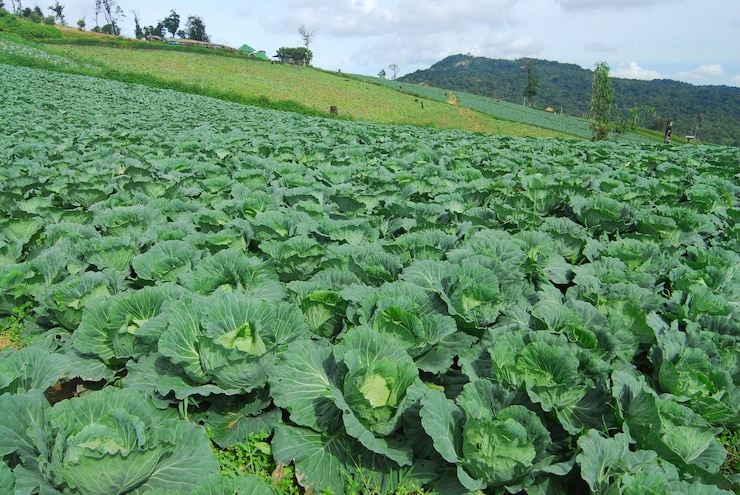
Cabbage farming in South Africa is one of the most reliable entry points into commercial vegetable production due to strong local demand, relatively short production cycles and adaptability to different climates. Cabbage is a staple vegetable across households, informal markets, supermarkets and institutions, making it a consistent cash crop throughout the year. Many small scale and emerging farmers choose cabbage because it does not require extremely high startup capital compared to fruit or livestock enterprises. However, success depends on proper planning, soil preparation, pest control and market access. Farmers who treat cabbage farming as a structured business rather than a casual garden activity tend to achieve better yields and profitability. With the right approach, cabbage farming can generate steady income and support long term agricultural growth.
The first step in starting cabbage farming is selecting suitable land with good soil conditions and reliable water access. Cabbage grows best in fertile, well drained soil with a pH between 6.0 and 6.8, which allows nutrients to be absorbed effectively. Before planting, farmers should conduct soil testing to determine nutrient levels and identify any required soil amendments. Proper land preparation includes deep ploughing and the incorporation of organic matter such as compost or well decomposed manure to improve soil structure. Crop rotation is also important to reduce soil-borne diseases and maintain long term soil health. Access to clean and consistent irrigation is essential because cabbage requires regular watering, especially during head formation.
Choosing the right cabbage variety is another critical factor in successful production. In South Africa, popular varieties include Drumhead, Conquestor, Star 3301 and Bravo, which are known for good yield potential and market acceptance. Farmers should select varieties based on climate conditions, market demand and expected growth cycles. Early maturing varieties are suitable for quick turnover, while late maturing types often produce larger heads and higher yields. Seed quality plays a major role in germination rates and plant uniformity, so farmers should purchase certified seeds from reputable suppliers. Healthy seedlings are usually produced in a nursery before being transplanted into the field after 4 to 6 weeks.
Transplanting is a key stage in cabbage production and must be done carefully to ensure strong plant establishment. Seedlings should be transplanted during cooler parts of the day to reduce transplant shock. Spacing is important, with typical recommendations ranging from 30 to 45 centimeters between plants and 60 to 75 centimeters between rows, depending on the variety. Proper spacing allows good air circulation, reduces disease risk and ensures each plant has enough nutrients and sunlight. After transplanting, consistent watering is necessary to help the seedlings establish strong root systems. Farmers should monitor plant growth closely during the early stages to identify any nutrient deficiencies or pest issues early.
Fertilization is a major component of cabbage farming because the crop requires high nutrient levels for optimal head formation. A balanced fertilization programme typically includes nitrogen for leaf growth, phosphorus for root development and potassium for overall plant strength. Farmers often apply a basal dressing during planting and follow up with top dressing at different growth stages. Organic fertilizers can also be used to improve soil health and reduce dependency on chemical inputs. Regular soil monitoring helps ensure that nutrient levels remain balanced throughout the growing cycle. Over fertilization should be avoided as it can lead to excessive leaf growth and poor head formation.
Pest and disease management is one of the most challenging aspects of cabbage farming in South Africa. Common pests include aphids, cutworms, diamondback moths and cabbage loopers, which can damage leaves and reduce yield quality. Diseases such as black rot, clubroot and downy mildew can also affect production if not properly controlled. Integrated pest management practices are recommended, combining biological control, crop rotation and responsible pesticide use. Regular field inspections help farmers detect problems early before they spread across the entire crop. Maintaining good field hygiene and removing infected plants can significantly reduce disease pressure.
Harvesting cabbage at the right time is essential for maximizing market value and reducing post harvest losses. Cabbage is usually ready for harvest between 70 and 120 days after transplanting, depending on the variety and growing conditions. Mature heads should be firm, compact and reach the desired size before harvesting. Farmers should use sharp tools to cut the heads cleanly while leaving outer leaves intact for protection during transport. Proper handling after harvest is important to maintain freshness and quality, especially when supplying formal markets such as supermarkets. Cabbage should be stored in cool conditions to extend shelf life and reduce spoilage.
Starting cabbage farming in South Africa offers strong opportunities for farmers who are willing to apply proper agricultural practices and business planning. Success depends on careful attention to soil preparation, variety selection, irrigation, fertilization and pest management. Farmers who understand market demand and maintain consistent production can build reliable income streams from cabbage production. It is a crop that rewards discipline, timing and good management more than large capital investment. With growing demand across both rural and urban markets, cabbage farming continues to be a viable and scalable agricultural enterprise for emerging and commercial farmers across the country.
Join 'Farmers Mag' WhatsApp Channel
Get the latest Farming news and tips delivered straight to your WhatsApp
CLICK HERE TO JOIN