Maize remains one of the most important agricultural crops in South Africa and plays a central role in the success of many smallholder, emerging and commercial farming operations. As a staple food and a significant source of income, maize contributes to both national food security and rural economic development. However, the value of a maize harvest is not determined solely by the quantity produced. Once the crop reaches a silo or mill, its quality is assessed through a formal grading process that directly influences the price a farmer receives. Because of the financial impact of grading, it is essential for farmers to understand how the system works, what rights they have and what actions they can take if they believe their grain has been graded unfairly.
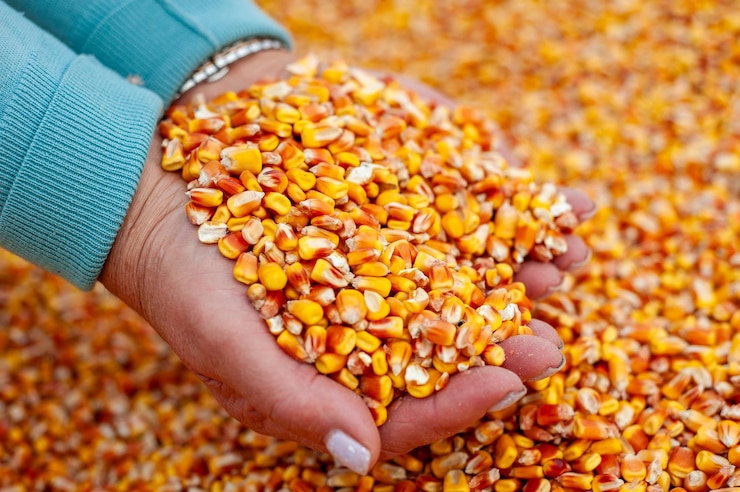
The maize grading process is designed to create a fair and transparent marketplace for buyers and sellers. Several factors are considered when determining the grade of maize, including moisture content, foreign matter, physical damage and the overall condition of the kernels. These quality indicators are used to classify the grain into a specific grade category, which then determines its market value. A higher grade generally attracts a better price, while lower grades can significantly reduce a farmer’s earnings. Because grading outcomes directly affect profitability, even small differences in quality assessments can have substantial financial consequences.
In South Africa, maize grading is regulated under the Agricultural Product Standards Act. This legislation provides the legal framework governing the grading, packing and marketing of agricultural products. The Act establishes quality standards that must be followed across the grain industry, helping to promote consistency and fairness in commercial transactions. According to industry experts, the grading system also serves an important food safety function by setting acceptable limits for contaminants and defects. By applying standardised criteria, the system aims to ensure that grain entering the market meets both commercial and consumer expectations.
Despite these safeguards, disputes occasionally arise when farmers believe the grade assigned to their maize does not accurately reflect the quality of the grain delivered. In such cases, farmers have the right to challenge the grading result through a formal dispute process. Incorrect grading can lead to lower payments, reduced profitability and frustration for producers who have invested considerable time and resources into producing quality crops. Understanding the dispute process is therefore an important aspect of managing a successful farming operation. Farmers who are informed about their rights are better positioned to protect the value of their harvests.
When a farmer disagrees with a grading result, immediate action is essential. The first step is to notify the silo or mill operator as soon as the grading outcome is received. Delaying the process can weaken the farmer’s position and reduce the likelihood of a successful challenge. Prompt communication ensures that the grain can be properly identified and that the necessary procedures can begin without unnecessary complications. Acting quickly also helps preserve evidence that may be required during the reassessment process.
The South African Grain Laboratory, commonly known as SAGL, plays a vital role in resolving grading disputes. SAGL is an independent and accredited organisation that provides scientific grain testing services. Farmers who believe their maize has been incorrectly graded can request an independent reassessment through the laboratory. Because SAGL operates independently from buyers and sellers, its findings are regarded as impartial and credible. This makes the organisation an important resource for ensuring fairness and transparency in grain trading.
A representative sample of the disputed maize must be collected at the site where the dispute arises. This sample must accurately reflect the grain that was delivered and must be handled according to strict procedures. Once collected, the sample is sealed immediately in the presence of both the farmer and a representative from the silo or mill. Sealing the sample protects its integrity and prevents tampering or contamination before testing takes place. This step is critical because the reliability of the laboratory results depends on the quality and authenticity of the sample submitted for analysis.
After the sample has been sealed, it is submitted to SAGL together with the required dispute documentation. The paperwork must clearly identify all parties involved and include relevant contact details. Farmers are responsible for covering the costs associated with the testing process. The laboratory’s findings are typically communicated directly to the individual who requested the analysis, unless permission is granted for the results to be shared with others. Accurate documentation helps ensure that the process runs smoothly and that all parties receive the necessary information.
Sample collection methods vary depending on the location of the farm. Farmers situated within 100 kilometres of a SAGL grading office can request a SAGL grader to visit their farm and collect the sample. Those located further away may use a certified private grading company or another accredited service provider. These options help ensure that farmers across different regions have access to professional and reliable sampling services. Proper sample collection is one of the most important factors in obtaining accurate and defensible grading results.
At SAGL, maize undergoes a comprehensive grading process that examines multiple quality characteristics. Laboratory technicians assess physical damage to kernels, discolouration and the presence of foreign matter such as soil, glass or organic material. Moisture content is measured using the official oven-drying method, where maize is dried at 103 degrees Celsius for 72 hours to achieve highly accurate results. The grain is then evaluated for various defects and classified according to established grading standards. This detailed approach provides a thorough assessment of grain quality and supports fair market transactions.
Experts emphasise the importance of delivering maize in the best possible condition. Dry maize is generally easier to grade accurately and is less likely to receive a lower classification due to moisture-related issues. Wet maize often results in immediate downgrades because excessive moisture can affect storage quality, increase spoilage risks and compromise grain integrity. Farmers who carefully manage harvesting, drying and storage practices are therefore better positioned to achieve favourable grading outcomes. Good post-harvest management remains one of the most effective ways to protect crop value.
Although maize and wheat are different crops, the grading principles applied to both highlight the importance of quality assessment in grain markets. For wheat, SAGL conducts additional tests that include falling number analysis, hectolitre mass measurements and protein content evaluations. These tests help determine factors such as sprouting damage, density and baking quality. Once testing is complete, the laboratory issues a certificate of analysis. This document carries significant legal and commercial value and can be used as evidence when contesting an original grading decision.
Contamination remains one of the leading causes of grading disputes in the grain industry. Grain can become contaminated through poor transport practices, unsuitable storage conditions or contact with foreign materials. Trucks that have previously transported livestock, chemicals or other potentially contaminating products must be thoroughly cleaned before being used to transport grain. Farmers should also work with reputable transporters and storage facilities that maintain high standards of hygiene and quality control. Preventing contamination not only reduces the risk of disputes but also helps preserve the quality and marketability of the harvest.
Industry leaders also warn against practices such as blending clean grain with wet or contaminated grain. Such actions can alter the quality characteristics of a load and create grading outcomes that do not accurately reflect the original harvested crop. Poor storage management can further increase risks by creating conditions that encourage spoilage or quality deterioration. In wheat production, wet grain stored for extended periods can lead to fermentation and sprouting damage that may only become evident during laboratory testing. These examples demonstrate the importance of maintaining quality throughout the entire grain handling process.
Farmers facing grading concerns are not without support. Agricultural organisations such as Grain SA and Agbiz Grain provide education, advocacy and practical assistance to producers. These organisations regularly offer workshops, industry updates and guidance on regulatory changes affecting grain production and marketing. Their efforts help farmers stay informed about best practices and industry developments. They also play an important role in representing farmer interests when policy issues arise.
The importance of organised agricultural support was highlighted when industry stakeholders successfully advocated for changes to grading policies that had unfairly penalised maize affected by harmless water speckling. Such developments demonstrate how collaboration between farmers and industry organisations can lead to more equitable outcomes. Continued engagement with these organisations can help producers better understand their rights and responsibilities within the grain marketing system. Knowledge and preparation often make a significant difference when disputes occur.
For developing and emerging farmers, understanding grain grading procedures is particularly important. Accurate grading supports fair payment, strengthens relationships with buyers and enhances long-term market access. Farmers who consistently deliver quality grain build trust within the industry and improve their opportunities for future business. At a broader level, fair grading practices contribute to stronger agricultural value chains and healthier rural economies. Ensuring that producers receive the correct value for their crops benefits the entire agricultural sector.
Maize grading disputes are about far more than technical assessments and laboratory procedures. They are directly linked to a farmer’s income, business sustainability and ability to invest in future production. Fortunately, South Africa has established systems, legal frameworks and independent institutions that help ensure fairness and accountability in the grading process. Farmers who understand these mechanisms are better equipped to safeguard their interests and challenge decisions when necessary. By knowing their rights, maintaining high grain quality standards and following the correct dispute procedures, producers can protect the value of their harvest and secure fair treatment within the agricultural marketplace.
If a grading dispute arises, farmers should remember four key steps. Notify the silo or mill operator immediately after receiving the grading result. Ensure that a representative sample of the disputed grain is collected on site. Seal the sample in the presence of all relevant parties to preserve its integrity. Finally, submit the sample together with the official dispute documentation so that an independent assessment can be conducted. Following these steps can help ensure that grading concerns are addressed fairly and professionally.
Join 'Farmers Mag' WhatsApp Channel
Get the latest Farming news and tips delivered straight to your WhatsApp
CLICK HERE TO JOIN