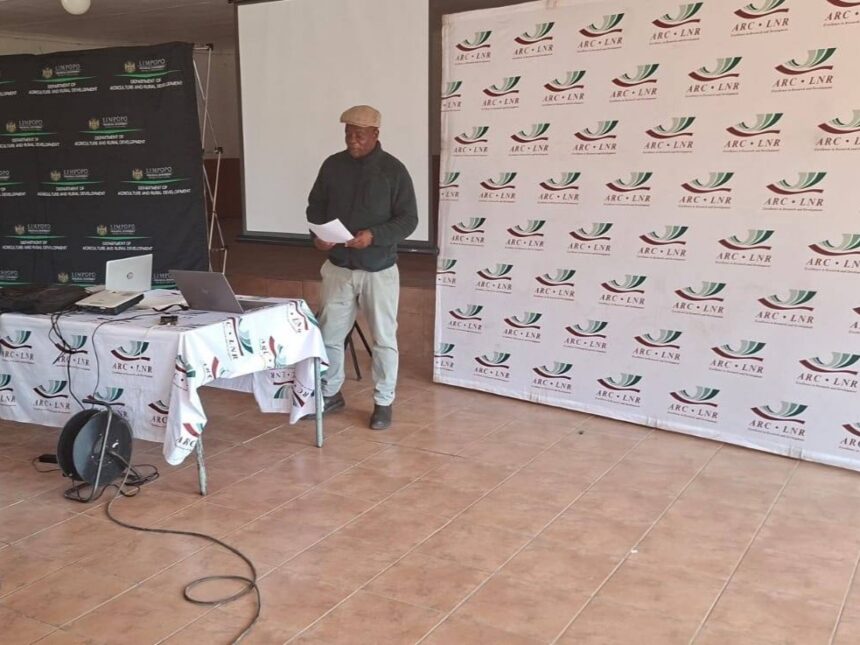
The Limpopo Department of Agriculture and Rural Development (LDARD), through its Sekhukhune East Agro-Ecological Zone, in partnership with the Agricultural Research Council (ARC), has recently strengthened livestock farming support by hosting Kaonafatso Ya Diphoofolo (KYD) information-sharing sessions in Ga-Selepe and Ga-Makgopa villages within the Fetakgomo-Tubatse Local Municipality. The initiative brought together livestock experts and farmers in an effort to transfer practical knowledge that can improve animal health, productivity, and overall herd management. These sessions form part of a broader strategy aimed at strengthening rural livestock systems and improving the economic resilience of farming communities. The programme reflects a growing emphasis on practical, hands-on training that directly addresses the challenges faced by livestock farmers. It also highlights the importance of collaboration between government institutions and research bodies in advancing agricultural development.
The KYD information-sharing sessions focused on equipping farmers with essential skills needed to improve livestock production in a sustainable and profitable manner. Farmers received guidance on key aspects of animal husbandry, including livestock nutrition, disease control, and breeding practices. Experts from LDARD and the ARC provided practical demonstrations and explanations designed to help farmers apply the knowledge directly to their own herds. The engagement also created an opportunity for farmers to ask questions and share their experiences, making the sessions highly interactive and relevant. This approach ensures that knowledge transfer is not only theoretical but also grounded in real farming conditions.
One of the major topics covered during the sessions was livestock nutrition, which plays a critical role in determining animal health and productivity. Farmers were taught how proper feeding practices can improve growth rates, milk production, and overall herd performance. Emphasis was placed on the importance of balanced diets that meet the nutritional needs of different livestock categories, including calves, breeding animals, and mature livestock. Participants were also encouraged to utilise locally available feed resources where possible to reduce costs while maintaining quality. Proper nutrition was highlighted as a foundation for successful livestock farming and long-term herd sustainability.
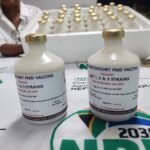
Animal health management was another key focus area, with particular attention given to Foot and Mouth Disease (FMD), which remains a significant threat to livestock in many parts of South Africa. Farmers were educated on how to recognise early signs of disease, implement preventive measures, and comply with animal health regulations. The importance of vaccination, biosecurity measures, and controlled animal movement was strongly emphasised. Experts explained that early detection and rapid response are critical in preventing outbreaks that can lead to severe economic losses. By improving awareness and preparedness, farmers are better positioned to protect their livestock and livelihoods.
The sessions also covered livestock identification and brand marking, which are essential for ownership verification and livestock management. Farmers were guided on proper branding techniques and the importance of maintaining clear identification records for their animals. This practice not only helps prevent stock theft but also improves traceability within the livestock value chain. Proper identification systems are also important for disease control and market access, as they allow for better monitoring of animal movement and health status. Farmers were encouraged to comply with local regulations to ensure accountability and improve overall herd management systems.
A strong emphasis was placed on livestock improvement through effective record keeping and data management. Farmers were encouraged to maintain detailed records of breeding patterns, production performance, and animal health history. Accurate record keeping allows farmers to make informed decisions about breeding selection, culling, and herd expansion. It also helps identify high-performing animals and areas where improvements are needed. Experts highlighted that data-driven farming is becoming increasingly important in modern agriculture, as it enhances productivity and efficiency while reducing unnecessary losses.
The KYD programme continues to play a vital role in strengthening livestock farming systems across Limpopo by providing farmers with access to expert knowledge and practical support. Through ongoing training and advisory services, farmers are better equipped to manage their herds more effectively and respond to challenges in animal production. The programme also supports broader agricultural goals, including food security, rural development, and economic empowerment. By improving livestock quality and productivity, farmers are able to increase their income and contribute more meaningfully to local economies. This makes the initiative an important driver of sustainable agricultural development in rural communities.
Overall, the Kaonafatso Ya Diphoofolo information-sharing sessions in Ga-Selepe and Ga-Makgopa demonstrate the value of collaborative agricultural extension services in strengthening rural livelihoods. By combining expertise from LDARD and the Agricultural Research Council, the programme ensures that farmers receive high-quality, practical training tailored to their needs. The focus on livestock nutrition, disease management, record keeping, and herd improvement provides a comprehensive approach to livestock development. As farmers apply the knowledge gained from these sessions, they are expected to achieve better productivity, healthier herds, and improved financial stability. The initiative reinforces the importance of continuous learning and support in building a resilient and sustainable livestock sector in Limpopo.
Join 'Farmers Mag' WhatsApp Channel
Get the latest Farming news and tips delivered straight to your WhatsApp
CLICK HERE TO JOIN