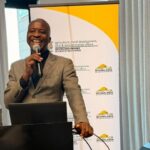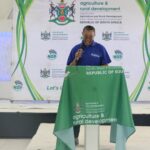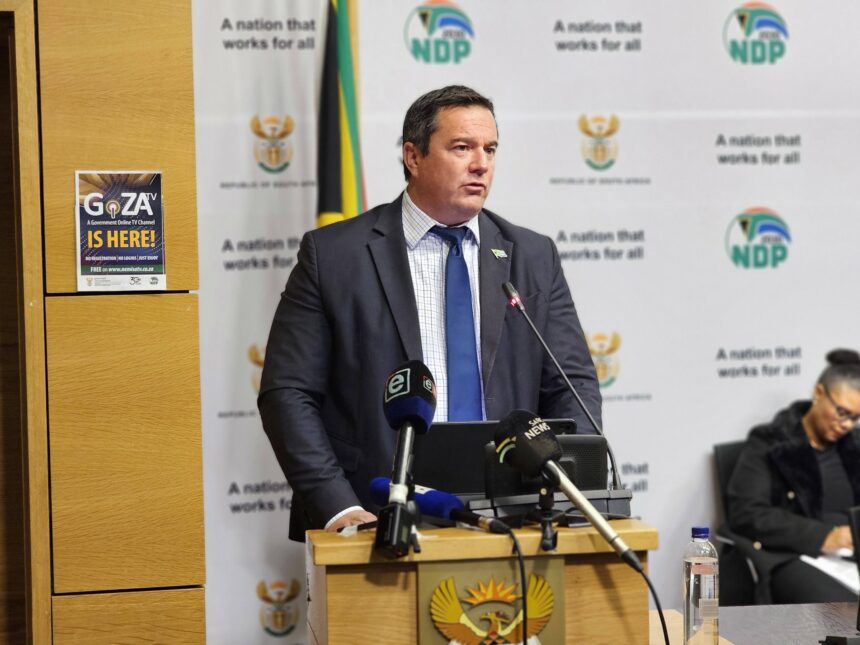
South Africa has significantly intensified its response to the ongoing Foot and Mouth Disease (FMD) outbreak, with the government implementing the largest vaccine acquisition and vaccination programme in the country’s history. Speaking at a press briefing held at Parliament’s Imbizo Media Centre on 1 June 2026, Minister of Agriculture John Steenhuisen outlined the progress made in controlling the disease, strengthening biosecurity measures, and protecting the livestock sector. The update provided insight into the scale of the national response, the challenges that farmers continue to face, and the plans being put in place to prevent future outbreaks. The minister emphasized that protecting animal health remains a critical national priority because of its direct impact on food security, employment, exports and economic stability. The briefing highlighted how government, industry stakeholders and regional partners are working together to contain the disease and restore confidence across the agricultural value chain.
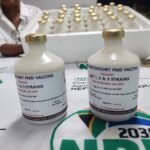
One of the most significant developments announced during the briefing was the procurement of 13.5 million doses of Foot and Mouth Disease vaccine since February 2026. As of 28 May, nearly 4.4 million animals had already been vaccinated across the country, demonstrating the scale of the operation. The recent arrival of 3.5 million vaccine doses from Biogenesis Bago has further strengthened South Africa’s ability to accelerate vaccination efforts in affected and high-risk regions. These doses have been allocated to various sectors, including feedlots, red meat producers, dairy producers, stud breeders and provincial governments. Additional doses have also been reserved for vaccination programmes along South Africa’s borders to reduce the risk of disease transmission from neighbouring countries.
The vaccination campaign has been supported by substantial government funding. According to Minister Steenhuisen, government has already invested approximately R494 million in vaccine procurement and deployment. This investment reflects the seriousness with which authorities view the outbreak and the potential consequences of failing to act. The minister stressed that protecting the national cattle herd, safeguarding jobs and maintaining food security are essential objectives that justify the significant expenditure. He also noted that the economic cost of allowing the disease to spread unchecked would have been far greater than the resources currently being invested in containment efforts. The commitment of public funds has allowed South Africa to establish vaccine stock levels never previously achieved in the country.
Another major announcement was the approval by the South African Health Products Regulatory Authority (SAHPRA) for the importation of 14 million doses of the Dollvet vaccine through Dunevax. The first shipment of four million doses is expected to arrive during June 2026. These additional supplies will ensure that booster vaccination programmes can continue without interruption as authorities work to strengthen immunity among livestock populations. The expanded vaccine pipeline is expected to support ongoing disease control measures and improve long-term outbreak management. The availability of sufficient vaccine stocks has become a cornerstone of South Africa’s strategy to transition from a reactive response model to a preventative and risk-based biosecurity system.
KwaZulu-Natal remains at the centre of the national vaccination effort, with more than 1.1 million animals vaccinated to date. Other provinces have also made substantial progress, including the Eastern Cape, Free State, Mpumalanga, Limpopo, Gauteng, North West, Western Cape and Northern Cape. The vaccination programme now operates on a scale never before seen in South Africa, requiring extensive coordination between provincial governments, veterinarians, producers and industry organizations. Minister Steenhuisen acknowledged the dedication of provincial authorities and recently urged all provincial MECs to accelerate vaccine deployment. The growing pace of vaccination is helping to reduce the risk of further disease spread while supporting efforts to reopen markets and restore normal agricultural activities.
The minister also recognized the hardships experienced by farmers during the outbreak. Many producers have faced movement restrictions that limited their ability to trade livestock and access markets. Others have incurred additional feed costs as animals remained on farms longer than planned due to disease control measures. These challenges have created financial pressure, uncertainty and emotional strain for farming communities across the country. Despite these difficulties, farmers have continued to cooperate with vaccination campaigns and movement regulations, contributing significantly to efforts aimed at controlling the outbreak. Their participation has played an essential role in protecting the broader livestock industry and preserving the integrity of South Africa’s animal health systems.
Regional cooperation has emerged as another important element of the response strategy. Minister Steenhuisen welcomed a recent decision by ministers from the Southern African Development Community (SADC) Southern African Development Community to prioritize the development of a regional coordination framework for Foot and Mouth Disease control. The framework aims to strengthen surveillance, improve vaccination cooperation and create coordinated biosecurity systems across national borders. Because livestock movement, wildlife interactions and agricultural trade often extend beyond individual countries, regional collaboration is viewed as essential for long-term disease management. The proposed framework will help countries respond more effectively to outbreaks while protecting agricultural production and trade throughout Southern Africa.
South Africa has also focused on strengthening its diagnostic capabilities. Additional veterinary technicians have been recruited and trained to support Foot and Mouth Disease testing and surveillance. Laboratories in KwaZulu-Natal and the Western Cape are being prepared to receive and process samples, helping to expand national diagnostic capacity. The Agricultural Research Council has also initiated training programmes for veterinary technologists from various provinces to improve testing efficiency. These investments are expected to accelerate disease detection and improve response times when new cases emerge. Enhanced diagnostic infrastructure will play a crucial role in supporting future biosecurity efforts.
Maintaining access to international markets has been another priority throughout the outbreak. Government has engaged extensively with trading partners to ensure that South African livestock products continue to reach global markets under appropriate risk management measures. Countries such as Jordan, the United Arab Emirates, Hong Kong and Kuwait have remained open to South African exports under agreed conditions. Discussions are also progressing with additional markets including Qatar, Tunisia, Lebanon, Egypt, Bahrain, Oman and Saudi Arabia. These efforts are critical because export markets support jobs, farm incomes and processing industries throughout the agricultural value chain. Preserving trade relationships helps reduce the economic impact of disease outbreaks and strengthens confidence in South Africa’s agricultural sector.
The response to Foot and Mouth Disease has involved close cooperation between government and industry stakeholders from the beginning. Organized agriculture, veterinarians, feedlots, dairy producers, processors and commodity organizations have all contributed to the national effort. Minister Steenhuisen confirmed that government will soon launch a comprehensive Public-Private Biosecurity Model designed to formalize these partnerships. The initiative aims to create a coordinated framework based on shared responsibility, effective risk management and long-term collaboration. By bringing together public and private expertise, the model seeks to strengthen South Africa’s ability to prevent and respond to future animal health threats.
South Africa’s battle against Foot and Mouth Disease is still ongoing, but significant progress has been made in recent months. Record vaccine acquisitions, expanded diagnostic capacity, strengthened regional cooperation and continued market access efforts have helped position the country on a stronger footing. The livestock sector remains a vital contributor to economic growth, employment and food security, making disease control an issue of national importance. Through sustained investment, industry cooperation and improved biosecurity systems, the country is steadily moving toward containing the outbreak and restoring stability throughout the agricultural economy. The measures implemented today are expected to not only address the current crisis but also build a stronger and more resilient livestock sector capable of supporting future generations of farmers and rural communities.
Join 'Farmers Mag' WhatsApp Channel
Get the latest Farming news and tips delivered straight to your WhatsApp
CLICK HERE TO JOIN