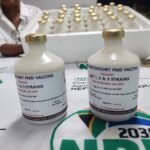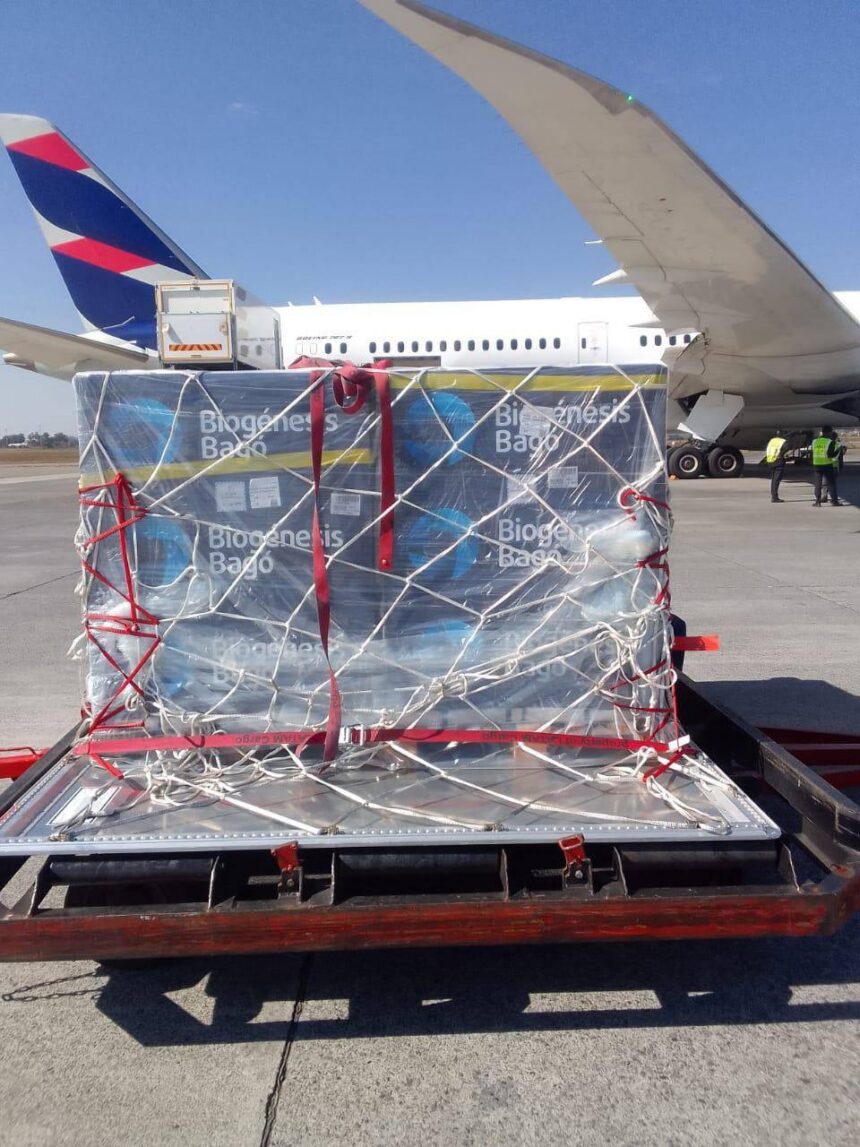
South Africa has intensified its animal disease control efforts following the arrival of a further 3.5 million doses of Biogénesis Bagó Foot and Mouth Disease vaccines on Friday. This latest shipment forms part of a wider national strategy aimed at controlling and reducing the spread of Foot and Mouth Disease across key livestock regions. Since February 2026, the country has now imported a total of 13.5 million vaccine doses, marking one of the most sustained vaccination efforts in recent years. The ongoing rollout reflects the seriousness of the outbreak risk and the commitment to protecting the agricultural sector. Livestock farmers across the country depend heavily on these interventions to maintain herd health and ensure stable production. The continued arrival of vaccine supplies signals a coordinated response between government and international partners to manage the disease effectively.
Foot and Mouth Disease remains one of the most disruptive livestock diseases, affecting cattle, sheep, and goats with highly contagious symptoms that can spread rapidly through animal populations. In South Africa, where livestock farming plays a significant role in both commercial agriculture and rural livelihoods, the impact of an outbreak can be severe. It can lead to trade restrictions, production losses, and increased financial pressure on farmers. The latest vaccine shipment adds critical support to ongoing containment measures, especially in high-risk and previously affected areas. Veterinary teams continue to prioritize strategic vaccination zones based on movement patterns, farm density, and historical outbreak data. The scale of the current vaccination programme reflects the urgency of preventing further spread and stabilising affected regions.
The importation of 13.5 million vaccine doses since February 2026 highlights the scale of the national response and the logistical coordination required to manage it. Each shipment must be distributed efficiently to provincial veterinary services, where cold-chain storage and rapid deployment are essential for maintaining vaccine effectiveness. Field teams work closely with farmers to ensure livestock are vaccinated on schedule and monitored for any signs of infection. The process also includes ongoing surveillance to track disease movement and identify potential hotspots early. These efforts are critical in preventing isolated cases from escalating into larger outbreaks. The consistency of vaccine supply has become a key pillar in South Africa’s broader animal health strategy.
The economic importance of controlling Foot and Mouth Disease cannot be overstated, particularly for rural communities that rely on livestock for income and food security. When outbreaks occur, farmers often face movement restrictions that limit sales and disrupt market access. This can quickly affect household income and broader supply chains within the agricultural economy. By increasing vaccine availability, authorities aim to reduce these risks and maintain steady agricultural productivity. The current vaccination drive also supports national food security goals by helping ensure stable meat and dairy production. Each new shipment contributes directly to reducing uncertainty in the livestock sector and improving long-term resilience.
The arrival of the additional 3.5 million doses strengthens ongoing containment efforts and reinforces the country’s commitment to managing animal health threats proactively. Veterinary authorities continue to emphasise prevention as the most effective strategy, especially in regions where livestock movement is frequent. The vaccination programme works alongside biosecurity measures, including controlled animal transport and improved farm-level hygiene practices. Together, these measures form a layered defence system against further outbreaks. Farmers are encouraged to remain vigilant and cooperate fully with vaccination campaigns to maximise their effectiveness. The scale of coordination required demonstrates the importance of continued investment in animal health infrastructure.
The latest shipment of 3.5 million Foot and Mouth Disease vaccine doses marks another important step in South Africa’s ongoing effort to control the disease. With a total of 13.5 million doses imported since February 2026, the national response continues to expand in both reach and impact. The programme plays a central role in protecting livestock, securing rural livelihoods, and supporting national food security. Ongoing vaccination efforts, combined with surveillance and biosecurity measures, strengthen the country’s ability to contain outbreaks and reduce long-term risks. The continued flow of vaccine supplies reflects a sustained commitment to safeguarding the agricultural sector and maintaining stability in livestock production.
Join 'Farmers Mag' WhatsApp Channel
Get the latest Farming news and tips delivered straight to your WhatsApp
CLICK HERE TO JOIN