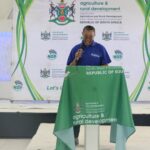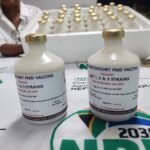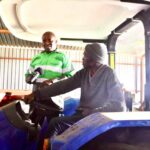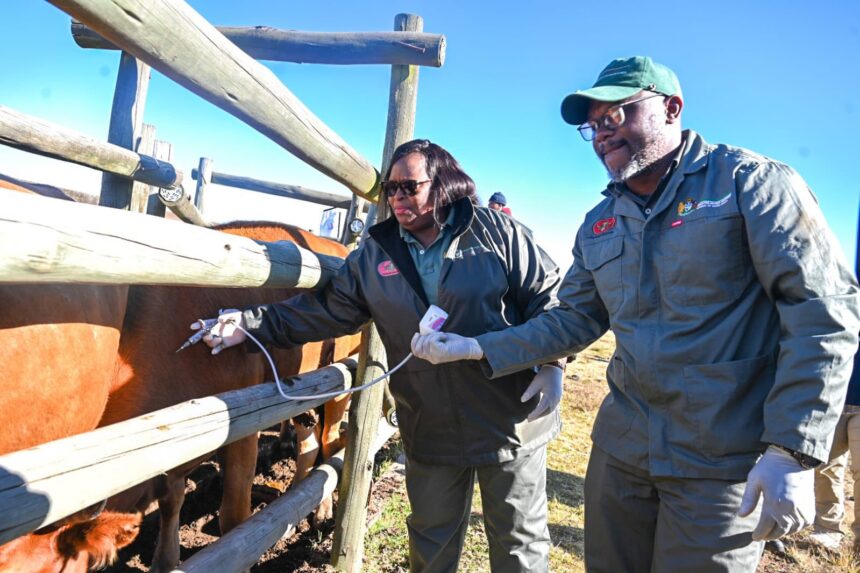
The KwaZulu-Natal Department of Agriculture and Rural Development has intensified its efforts to combat foot-and-mouth disease through a large-scale vaccination programme currently underway in the uMgungundlovu District. The campaign has already shown significant progress, with thousands of cattle vaccinated across several municipalities in the province. The MEC for Agriculture and Rural Development in KwaZulu-Natal, Thembeni kaMadlopha-Mthethwa, recently conducted an oversight visit to Novuka Diptank in iMpendle to assess the progress of the operation and engage directly with local farmers. The vaccination campaign forms part of the province’s broader strategy to protect livestock, strengthen food security, and reduce the economic impact of animal diseases on farming communities. Farmers and local agricultural stakeholders have welcomed the programme as an important intervention that supports livestock health and safeguards rural livelihoods.
During the oversight visit, the MEC expressed satisfaction with the pace and reach of the vaccination programme in the uMgungundlovu District. According to the department, a total of 13,386 cattle were vaccinated in a single day across 27 diptanks in iMpendle alone. The Novuka Diptank vaccination programme, which spans two days, is targeting an estimated 22,000 cattle in the area. Veterinary teams and animal health technicians have been deployed to ensure the process runs efficiently while maintaining strict disease control measures. The department has also expanded operations to neighbouring municipalities to ensure wider protection against the spread of foot-and-mouth disease. The scale of the campaign highlights the seriousness with which the provincial government is treating the threat posed by livestock diseases in KwaZulu-Natal.
The vaccination rollout is not limited to iMpendle, as teams are also actively working in the uMngeni Local Municipality where approximately 8,000 cattle are being targeted for vaccination. In Richmond, farmers have already begun bringing their livestock for vaccinations, with around 7,000 cattle expected to be covered over a two-day period. The department confirmed that Richmond is expected to complete its vaccination programme tomorrow, while Mkhambathini is preparing to begin its own three-day vaccination operation. These coordinated efforts demonstrate the department’s commitment to ensuring that livestock owners across the district receive access to animal healthcare services. The vaccination programme is also helping to improve cooperation between farmers, veterinary officials, and local government structures. By reaching multiple municipalities simultaneously, the department hopes to contain any potential outbreaks before they spread further.
Foot-and-mouth disease remains one of the most serious threats to the livestock industry due to its highly contagious nature and its ability to disrupt trade and agricultural production. The disease affects cloven-hoofed animals such as cattle, sheep, goats, and pigs, and outbreaks can lead to severe economic losses for farmers. Vaccination programmes like the one underway in uMgungundlovu are essential in limiting transmission and protecting the health of livestock populations. Healthy cattle contribute directly to food production, income generation, and employment opportunities within rural communities. The department’s intervention is particularly important for communal farmers who rely heavily on cattle farming for household income and cultural purposes. By strengthening disease prevention measures, the province is also working to preserve market confidence in KwaZulu-Natal’s livestock sector.
During her engagement with local farmers at Novuka Diptank, MEC kaMadlopha-Mthethwa listened to several concerns affecting cattle farmers in the region. Farmers highlighted the rising cost of feed, ageing diptank infrastructure, and difficulties accessing profitable markets for beef cattle. Many communal farmers explained that deteriorating facilities make livestock management more difficult and increase the risk of disease outbreaks. In response, the MEC committed the department to refurbishing diptanks and replacing old infrastructure, including worn-out poles that farmers frequently complain about during inspections. She also emphasized the need for improved breeding management practices within communal grazing systems where uncontrolled breeding often occurs. The department plans to capacitate farmers through training programmes that will focus on breeding management and bull control to improve herd quality and productivity.
The MEC also praised the positive response from farmers regarding the department’s support programmes, especially the provision of dipping chemicals known as acaricides. According to her remarks during the visit, many farmers have expressed satisfaction with the quality and availability of livestock remedies provided by the department. She noted that veterinary supply stores have reportedly complained that farmers are no longer purchasing certain livestock remedies because they are receiving adequate support from government programmes. The department views this as a positive sign that public agricultural interventions are making a meaningful difference in rural communities. Access to livestock healthcare products is crucial for preventing diseases and improving overall animal health. By supplying farmers with essential livestock remedies, the department is helping reduce financial pressure on communal farming households.
The ongoing vaccination campaign also reflects the importance of government oversight and direct engagement with farming communities. MEC kaMadlopha-Mthethwa’s visit to the Novuka Diptank allowed farmers to voice their concerns directly while enabling the department to assess operational challenges on the ground. Oversight visits provide opportunities for officials to monitor service delivery, identify infrastructure needs, and evaluate whether government programmes are achieving their intended goals. In many rural areas, livestock farming remains a critical economic activity that supports families and local economies. Effective communication between government and farmers is therefore essential for building trust and improving agricultural outcomes. The department’s willingness to respond to farmers’ concerns could help strengthen long-term partnerships between agricultural authorities and rural communities.
The progress of the foot-and-mouth disease vaccination programme in the uMgungundlovu District marks an important step in protecting KwaZulu-Natal’s livestock industry from future outbreaks. Thousands of cattle have already been vaccinated across multiple municipalities, demonstrating strong coordination between veterinary teams, local farmers, and government officials. The programme is not only addressing immediate animal health concerns but is also creating opportunities to improve farming infrastructure and livestock management practices in communal areas. Commitments made by the MEC regarding diptank refurbishments and farmer training may contribute to stronger and more sustainable cattle farming systems in the future. As vaccination efforts continue in Richmond and Mkhambathini, the province remains focused on protecting rural livelihoods and ensuring the long-term stability of the agricultural sector. The success of the programme could serve as an example of how proactive disease control measures and farmer support initiatives can strengthen food security and agricultural development in South Africa.
Join 'Farmers Mag' WhatsApp Channel
Get the latest Farming news and tips delivered straight to your WhatsApp
CLICK HERE TO JOIN