Honeybush farming in South Africa is gaining attention as demand for natural herbal teas continues to grow in both local and international markets. The plant, known for its naturally sweet aroma and caffeine-free properties, is native to parts of the Western and Eastern Cape and thrives in specific fynbos environments. Farmers are increasingly exploring Honeybush as a high-value crop that supports biodiversity while offering commercial opportunities. Its use in herbal tea production, wellness products, and export markets has positioned it as a strong alternative crop for diversification. Understanding how to grow, manage, and harvest Honeybush correctly is essential for achieving consistent yields and long-term sustainability.
Honeybush belongs to the Cyclopia genus and grows naturally in acidic, well-drained soils found in mountainous and coastal regions. Successful cultivation depends heavily on matching the plant with its natural environmental conditions, particularly soil type, rainfall, and temperature range. It prefers winter rainfall areas and does not tolerate waterlogged soils or extreme frost. Farmers interested in Honeybush production should begin by selecting suitable land with good drainage and moderate slopes where water runoff is controlled. Site selection is one of the most important steps because it directly affects plant survival and productivity.
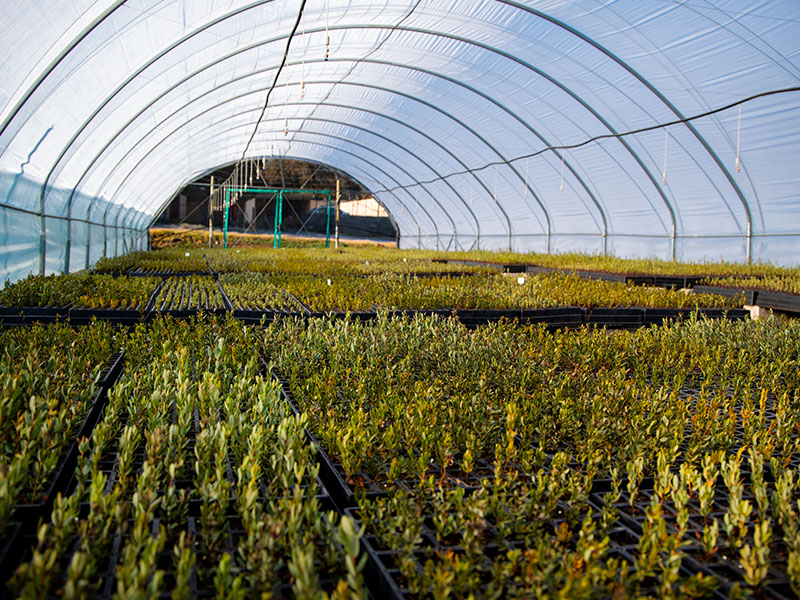
Propagation of Honeybush is typically done through seed or cuttings, although seed propagation is more common in commercial farming. Seeds often require pre-treatment to break dormancy, which may include soaking or controlled exposure to heat or smoke treatment to simulate natural conditions. Once seedlings are established, they are usually grown in nurseries before being transplanted to the field. This early stage requires careful management of moisture levels and shading to prevent stress on young plants. Healthy seedlings are critical for establishing strong plantations that can produce for many years.
Soil preparation plays a key role in Honeybush farming success. The soil must be well-aerated, slightly acidic, and rich in organic matter to support root development. Farmers often incorporate compost or natural mulch to improve soil structure and moisture retention. Chemical fertilizers are generally used cautiously because Honeybush is adapted to low-nutrient conditions and excessive fertilization can negatively affect plant growth. Proper spacing between plants is also important to allow airflow, reduce disease risk, and support uniform growth across the field.
Water management is another important aspect of Honeybush cultivation, especially during the establishment phase. While the plant is drought-tolerant once mature, young plants require consistent moisture to develop strong root systems. Irrigation systems are often used in commercial farms to maintain controlled watering schedules during dry periods. However, overwatering must be avoided as it can lead to root rot and plant failure. Farmers need to strike a balance between maintaining soil moisture and preventing water saturation.
Pest and disease management in Honeybush farming is generally less intensive compared to many other crops, but it still requires monitoring. The plant is relatively hardy, yet it can be affected by fungal infections in overly wet conditions or poor drainage areas. Regular field inspections help farmers detect early signs of stress or disease. Good farm hygiene, proper spacing, and crop rotation practices contribute to reducing risks. Because Honeybush is often grown in natural fynbos systems, maintaining ecological balance is also an important part of sustainable production.
Harvesting Honeybush requires careful timing to ensure optimal flavor and quality. The plant is typically harvested when it is mature enough to support regrowth, usually after two to three years of establishment. Farmers cut the woody stems and leafy branches, which are then processed through fermentation and drying to develop the tea’s distinctive flavor profile. Proper processing is essential because it influences the aroma, color, and market value of the final product. Many producers invest in controlled fermentation systems to ensure consistency across batches.
Market opportunities for Honeybush are expanding as global consumers shift toward natural and functional beverages. The tea is valued for its antioxidant properties and naturally sweet taste, making it popular in health-conscious markets. Export demand continues to grow, particularly in Europe and parts of Asia, where herbal teas are widely consumed. Local demand in South Africa is also increasing as consumers become more aware of indigenous herbal products. Farmers who focus on quality production and certification standards are better positioned to access premium markets.
Honeybush farming in South Africa offers a sustainable and profitable opportunity for farmers willing to invest in proper site selection, careful cultivation, and quality processing. The crop is well suited to specific ecological zones, making environmental alignment essential for success. With growing demand in both domestic and international markets, Honeybush presents a strong alternative agricultural enterprise that supports biodiversity and rural development. Farmers who adopt best practices in propagation, soil management, and harvesting can achieve long-term productivity and stable income. As interest in natural herbal products continues to rise, Honeybush farming is expected to play an increasingly important role in South Africa’s agricultural landscape.
Join 'Farmers Mag' WhatsApp Channel
Get the latest Farming news and tips delivered straight to your WhatsApp
CLICK HERE TO JOIN