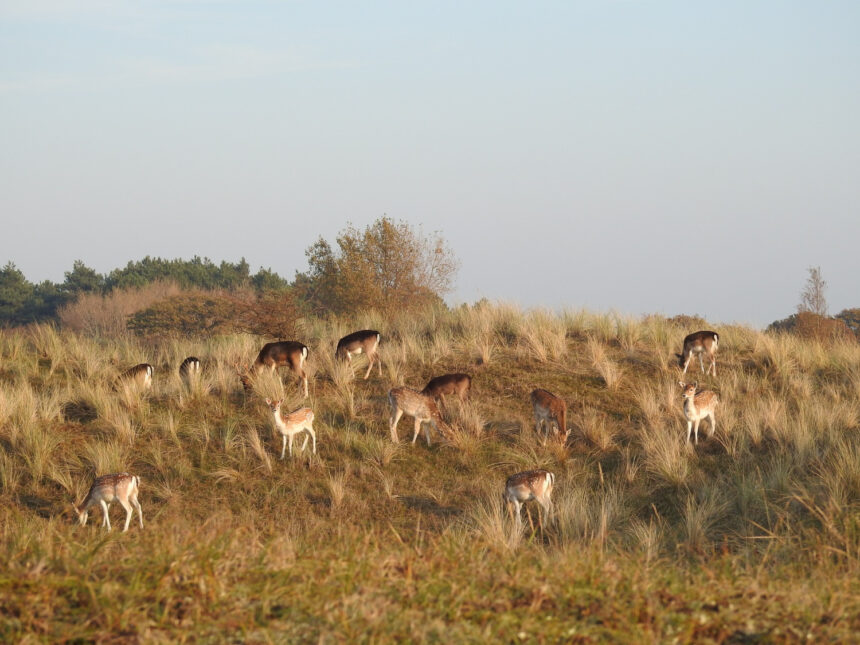
Game farming in South Africa has become one of the most important parts of the country’s agricultural and eco tourism economy. It combines wildlife management, conservation practices, and commercial farming in a way that supports both income generation and biodiversity protection. Many landowners have shifted from traditional livestock farming to game farming because of rising costs, climate pressures, and stronger demand for wildlife based tourism experiences. South Africa offers strong conditions for game farming due to its diverse ecosystems and large areas of suitable land. The industry now supports hunting tourism, breeding programmes, meat production, and conservation projects that work together on the same land.
Starting a game farm requires careful planning and a clear understanding of land capacity and animal carrying limits. You need to evaluate vegetation types, water availability, fencing requirements, and local climate conditions before introducing any wildlife. Different species require different habitats, so matching animals to the environment is critical for long term success. Common species include antelope, zebra, giraffe, and various predators, but selection depends on your goals and regional conditions. You also need legal permits and compliance with wildlife regulations set by conservation authorities in South Africa to operate legally and sustainably.
Infrastructure plays a central role in successful game farming operations. Strong fencing systems are needed to contain animals and protect them from escaping or external threats. Water systems must be reliable and distributed across grazing areas to prevent overuse of specific zones. Roads and access points are required for monitoring, tourism activities, and veterinary services. Veterinary care is also essential because disease control and animal health management directly affect profitability and sustainability. Security systems are often added to protect valuable wildlife from poaching and illegal hunting activities.
Financial planning is another major part of running a game farm in South Africa. Initial investment costs can be high due to land acquisition, fencing, wildlife purchasing, and infrastructure setup. However, revenue streams can be diverse and stable when managed correctly. These include eco tourism, trophy hunting permits, breeding sales, and meat production for local and export markets. Many farms also generate income through photographic tourism, where visitors pay to experience wildlife in natural environments. Careful budgeting and long term planning are necessary because wildlife populations take time to grow and stabilise.
Game farming continues to expand across South Africa as more landowners recognise its long term value for both conservation and income generation. It supports rural economies by creating jobs in security, guiding, veterinary services, and hospitality. The industry also contributes to wildlife conservation by encouraging private landowners to protect and sustainably manage animal populations. Success depends on strong planning, responsible management, and continuous monitoring of ecological conditions. With the right approach, game farming can deliver consistent economic returns while preserving South Africa’s rich biodiversity for future generations.
Join 'Farmers Mag' WhatsApp Channel
Get the latest Farming news and tips delivered straight to your WhatsApp
CLICK HERE TO JOIN