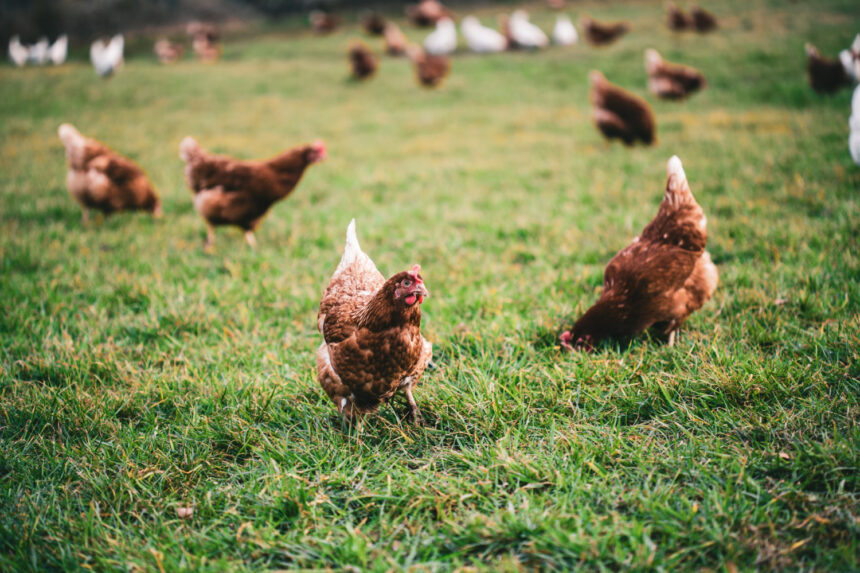
Free-range chicken farming in South Africa has become one of the most attractive agricultural ventures for both small-scale and commercial farmers looking for sustainable income opportunities. Demand for free-range chicken products continues to rise as consumers become more health-conscious and prefer meat that is raised in natural, low-stress environments. This farming method allows chickens to move freely outdoors during the day, which improves animal welfare and often results in better meat quality and taste. Many farmers are adopting free-range systems because they require relatively lower infrastructure investment compared to intensive poultry farming. With proper planning and management, free-range chicken farming can deliver consistent profits while supporting environmentally friendly farming practices.
Starting a free-range chicken farm requires selecting a suitable location with enough space for birds to roam safely. The land should have good drainage, natural vegetation and protection from predators such as dogs, birds of prey and small wild animals. Housing is still necessary even in free-range systems, especially for nighttime protection and shelter from harsh weather conditions. Chicken shelters should be well-ventilated, dry and easy to clean to reduce the risk of disease outbreaks. Farmers should ensure that stocking density remains low to prevent overcrowding and stress among the flock.
Choosing the right chicken breed is an important step for success in free-range farming. In South Africa, popular breeds include Boschveld, Ovambo and Potchefstroom Koekoek, which are well adapted to outdoor conditions and local climates. These breeds are known for their hardiness, disease resistance and ability to forage efficiently. Some farmers also use dual-purpose breeds that provide both eggs and meat, increasing income opportunities. It is important to source day-old chicks or point-of-lay hens from reputable suppliers to ensure strong genetic quality and healthy growth.
Feeding in free-range systems combines natural foraging with supplemental feed to ensure balanced nutrition. Chickens will naturally consume insects, grass and seeds when allowed to roam, but this is not enough to meet their full dietary needs. Farmers must provide additional feed that includes grains, protein sources and essential vitamins to support growth and egg production. Clean water must always be available, especially during hot weather conditions common in many parts of South Africa. Proper feeding management helps improve weight gain, egg quality and overall flock productivity.
Disease control remains a key challenge in free-range chicken farming because birds are exposed to outdoor environments. Common poultry diseases such as Newcastle disease, fowl pox and respiratory infections can spread quickly if not managed properly. Vaccination programmes are essential and should be followed strictly according to veterinary recommendations. Farmers should also maintain strict hygiene in feeding areas and regularly clean shelters to reduce contamination risks. Monitoring bird health daily helps identify early signs of illness and prevents large-scale losses.
Predator management is another important factor in free-range systems. Chickens that roam outdoors are vulnerable to attacks from predators such as hawks, mongooses and stray animals. Farmers can reduce these risks by using fencing, netting and secure nighttime housing. Some farmers also use guard animals such as dogs or geese to protect their flocks. Proper supervision during the day and controlled grazing areas help improve survival rates and reduce financial losses.
Egg production and meat production are the two main income streams in free-range chicken farming. Layer hens begin producing eggs at around 18 to 22 weeks of age and can remain productive for up to two years under good management. Eggs from free-range systems often sell at higher prices due to consumer demand for ethically produced food. Broiler chickens raised in free-range environments take slightly longer to reach market weight but often achieve better market value due to quality and taste. Farmers must choose their production focus based on available resources and market demand.
Marketing plays a major role in determining the success of a free-range chicken farming business. Farmers in South Africa can sell products directly to local communities, restaurants, butcheries and informal markets. Branding and packaging also help increase product value, especially when targeting health-conscious consumers. Building strong customer relationships ensures repeat sales and stable income. Understanding local demand trends helps farmers plan production cycles more effectively and avoid oversupply.
Financial planning is essential before starting a free-range chicken farm. Initial costs include housing construction, chick purchase, feed supply and vaccination programmes. Feed remains the largest ongoing expense, so efficient feeding strategies are necessary to maintain profitability. Farmers should also budget for unexpected costs such as disease outbreaks or predator damage. Keeping accurate financial records helps track performance and identify areas where costs can be reduced.
Free-range chicken farming in South Africa offers strong opportunities for farmers who are committed to sustainable and ethical production methods. With proper housing, balanced feeding, disease prevention and effective marketing, farmers can build profitable poultry businesses. The system supports animal welfare while meeting growing consumer demand for healthier food options. It also allows small-scale farmers to enter the poultry industry with relatively low startup requirements. As demand continues to grow, well-managed free-range chicken farms can provide long-term income stability and contribute to local food security across the country.
Join 'Farmers Mag' WhatsApp Channel
Get the latest Farming news and tips delivered straight to your WhatsApp
CLICK HERE TO JOIN