South Africa’s agricultural sector continues to offer major opportunities for emerging farmers who want to build sustainable businesses and contribute to food production. Grain farming remains one of the most important parts of the country’s farming economy because grains are used for both human consumption and animal feed. For new and developing farmers, selecting the right grain crop can determine long-term profitability, resilience and market access. Climate conditions, soil type, water availability and production costs all play a critical role when choosing which grain to cultivate. Emerging farmers who focus on crops that perform well in South African conditions can improve their chances of success while creating stable income streams for their households and communities.
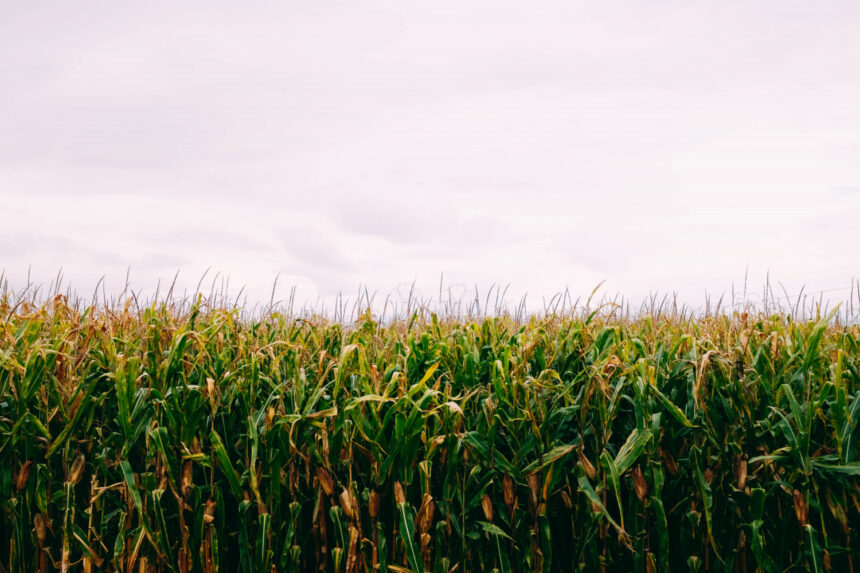
Maize remains the most popular and widely grown grain crop in South Africa, making it one of the best choices for emerging farmers. The crop serves as a staple food for millions of people and is also heavily used in livestock feed production. White maize is commonly consumed by households, while yellow maize is mainly used in the animal feed industry. This strong demand creates a reliable market for producers across the country. Provinces such as Free State, Mpumalanga and North West continue to dominate maize production due to favorable climate and soil conditions.
One of the biggest advantages of maize farming is the availability of farming knowledge and support systems in South Africa. Many agricultural extension services, cooperatives and training programs focus heavily on maize because of its importance to national food security. Emerging farmers can access improved seed varieties that are drought resistant and capable of producing higher yields. Modern maize hybrids also help farmers manage climate challenges more effectively. Although maize production can require significant investment in fertilizer, fuel and machinery, farmers who manage production costs carefully can achieve strong returns during successful harvest seasons.
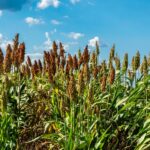
Sorghum is another excellent grain crop for emerging farmers, especially those operating in drier regions with limited rainfall. Unlike maize, sorghum performs well in harsh conditions and can tolerate periods of drought more effectively. This makes it an important crop for areas where climate variability affects production stability. Sorghum is used for human food products, animal feed and brewing industries, creating multiple income opportunities for farmers. The crop also requires less water than many other grain crops, which reduces pressure on irrigation systems and water resources.
The growing interest in climate-smart agriculture has increased the importance of sorghum in South Africa’s agricultural sector. Many experts believe the crop will become even more valuable as weather patterns continue to change. Emerging farmers who invest in sorghum production may benefit from lower input costs while maintaining reasonable yields under difficult conditions. The crop also improves crop rotation systems because it can help reduce soil degradation and pest pressure. With proper market access and storage management, sorghum farming can become a stable and profitable business option for small-scale producers.
Wheat remains another important grain crop with strong market demand across South Africa. Bread, pasta and baked products rely heavily on wheat, ensuring consistent demand from consumers and food processing industries. Wheat farming is particularly common in regions such as the Western Cape, where winter rainfall supports production. Some irrigation schemes in provinces like the Free State and Northern Cape also support successful wheat cultivation. Emerging farmers with access to irrigation infrastructure may find wheat farming attractive because of its established commercial market.
However, wheat production requires careful planning and technical management. Farmers must monitor planting schedules, soil fertility and disease control closely to maintain high yields and grain quality. Wheat can also be sensitive to weather conditions during critical growth stages. Despite these challenges, the crop continues to offer opportunities for emerging farmers who are willing to invest in proper management practices. Participation in farmer cooperatives and grain marketing groups can also help small producers access buyers and secure better pricing for their harvests.
Sunflower is becoming increasingly popular among emerging farmers because it offers lower production risks in certain areas compared to maize. The crop adapts well to dryland farming conditions and requires less rainfall than many other grains. South Africa’s demand for sunflower oil and animal feed products continues to support the market for sunflower producers. The crop also has lower input costs in some production systems, which can benefit farmers working with limited budgets. In provinces such as North West and Free State, sunflower farming has become an important part of crop rotation programs.
One major advantage of sunflower farming is its flexibility within mixed farming systems. Farmers can combine sunflower production with livestock operations or rotate it with maize and sorghum to improve soil health. Sunflowers can also help reduce the spread of certain crop diseases and pests when included in rotation cycles. Emerging farmers who practice crop diversification often reduce their overall financial risk because they are not dependent on a single commodity. This approach improves long-term sustainability and protects farmers during difficult market conditions or climate-related challenges.
Soybeans are also gaining importance in South African agriculture due to increasing demand from the animal feed and food processing sectors. The poultry industry relies heavily on soybean meal as a protein source for feed production. This demand has encouraged more farmers to include soybeans in their production systems. Soybeans also improve soil fertility because they naturally fix nitrogen into the soil, reducing the need for some fertilizers in future planting seasons. This benefit makes soybeans valuable in crop rotation systems alongside maize and sunflower production.
For emerging farmers, soybean production can provide both income and long-term soil improvement benefits. Improved seed technology and growing local demand have strengthened the crop’s commercial potential in recent years. Farmers who understand market trends and invest in quality production practices can position themselves for strong growth within the grain industry. However, successful soybean farming requires proper weed control, timely planting and careful harvesting to avoid losses. Access to storage and transport infrastructure also remains important for maintaining grain quality and profitability.
Emerging farmers in South Africa face many challenges, including rising input costs, climate uncertainty and limited access to financing. Despite these obstacles, grain farming continues to offer significant opportunities for those willing to invest in planning, training and sustainable farming methods. Choosing the right crop depends on factors such as rainfall patterns, available resources, market access and farming experience. Farmers who diversify their grain production and adopt modern agricultural techniques can improve resilience and increase profitability over time. Strong partnerships with government programs, agricultural organizations and experienced mentors can also support long-term success.
South Africa’s grain industry remains essential for national food security, rural employment and economic development. Emerging farmers have the potential to play a major role in strengthening the sector while building successful agricultural enterprises for future generations. Crops such as maize, sorghum, wheat, sunflower and soybeans each offer unique advantages depending on regional conditions and market opportunities. By making informed decisions and embracing sustainable farming practices, emerging farmers can turn grain production into a profitable and lasting business. The future of agriculture in South Africa depends heavily on empowering new farmers with the knowledge, resources and confidence needed to succeed in an increasingly competitive industry.
Join 'Farmers Mag' WhatsApp Channel
Get the latest Farming news and tips delivered straight to your WhatsApp
CLICK HERE TO JOIN