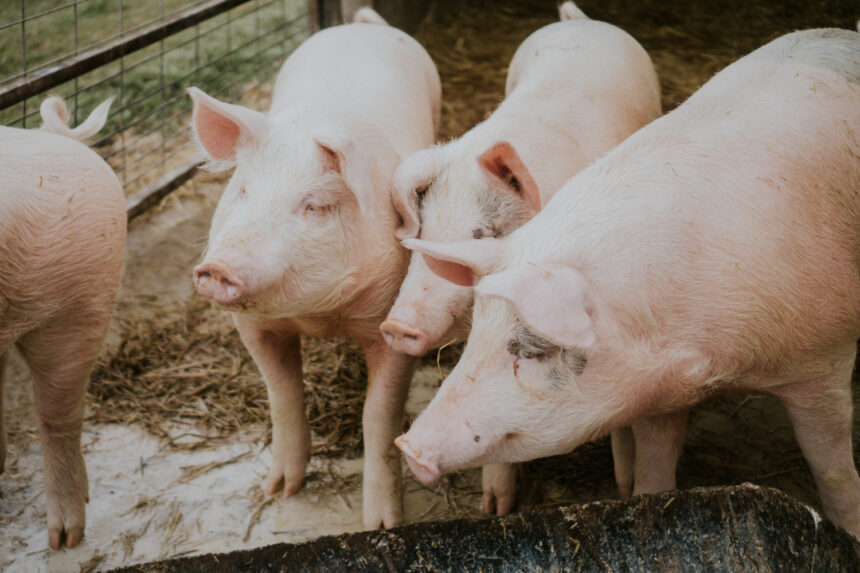
Pig farming in South Africa offers strong income potential for beginners who are willing to manage livestock carefully and follow structured production practices. Demand for pork continues to grow across the country due to its affordability and versatility in household and commercial food preparation. Many small-scale farmers are turning to pig farming because it requires less land compared to cattle farming while still offering fast reproduction cycles and steady cash flow. However, success depends on proper planning, disease control and consistent management of feeding and housing systems. Beginners who approach pig farming with discipline and knowledge can build a sustainable agricultural business over time.
The first step in starting pig farming is selecting the right location and building suitable housing for the pigs. Pig housing must protect animals from extreme weather conditions while ensuring good ventilation and hygiene. A clean and dry environment helps reduce the risk of diseases such as swine flu and respiratory infections. Beginners should avoid overcrowding because it increases stress and slows down growth rates. Simple pig pens built with concrete floors and proper drainage are often effective for small-scale farmers starting with limited budgets.
Choosing the right pig breed is also essential for productivity and profitability. In South Africa, popular breeds include Large White, Landrace and Duroc pigs due to their fast growth rates and high-quality meat production. Crossbreeding is also common because it combines desirable traits such as fertility, hardiness and meat yield. Beginners should source piglets from reputable breeders to avoid health complications and poor genetic performance. Healthy piglets with strong growth potential will significantly improve production outcomes and reduce long-term losses.
Feeding is one of the most important aspects of pig farming and has a direct impact on growth and profitability. Pigs require a balanced diet that includes energy, protein, vitamins and minerals to support rapid development. Commercial pig feed is widely available in South Africa, but some farmers also supplement diets with maize, soybeans and vegetable waste to reduce costs. Proper feeding schedules must be followed to ensure consistent weight gain and prevent digestive problems. Clean water must always be available because dehydration can quickly affect pig health and performance.
Disease management is another critical factor for beginners entering pig farming. Pigs are susceptible to various diseases, including African swine fever, foot-and-mouth disease and parasitic infections. Regular vaccination and strict biosecurity measures are essential to prevent outbreaks that can destroy entire herds. Farmers should limit farm access to outsiders and disinfect equipment regularly to reduce contamination risks. Early detection of illness and prompt veterinary care can significantly improve survival rates and reduce financial losses.
Reproduction management plays a major role in the profitability of pig farming. A healthy sow can produce multiple piglets per litter and may farrow twice a year under good management conditions. Proper mating practices and monitoring of pregnancy ensure higher survival rates for piglets. Farmers should provide special care for pregnant sows, including improved nutrition and comfortable housing. After birth, piglets require warmth, colostrum and protection from diseases during their early stages of life.
Marketing is another important area that beginners must consider when starting pig farming. In South Africa, pork is sold through butcheries, supermarkets, informal markets and live animal sales. Farmers can choose to sell piglets, weaners or fully grown pigs depending on their production strategy. Building relationships with buyers ensures consistent demand and better pricing opportunities. Understanding market trends helps farmers plan production cycles more effectively and avoid oversupply or losses.
Financial planning is essential for long-term success in pig farming. Beginners must calculate costs for housing, feed, veterinary care and equipment before starting operations. Feed typically represents the largest expense in pig farming, so efficient feeding strategies are necessary to maintain profitability. Farmers should also prepare for unexpected costs such as disease outbreaks or infrastructure repairs. Proper budgeting and record keeping help track performance and identify areas for improvement.
Training and knowledge development also play a major role in successful pig farming. Beginners are encouraged to attend agricultural workshops, consult experienced farmers and use extension services offered by government departments. Practical experience helps farmers understand animal behavior, feeding patterns and health management more effectively. Continuous learning improves decision-making and reduces common mistakes made by new farmers. Access to reliable information increases the chances of building a profitable pig farming enterprise.
Pig farming in South Africa offers strong opportunities for beginners who are willing to invest time, effort and discipline into livestock management. With proper housing, balanced feeding, disease control and market planning, farmers can achieve steady production and financial growth. The industry supports both small-scale and commercial farming models, making it accessible to people with different levels of resources. As demand for pork continues to rise, well-managed pig farms can become reliable sources of income and employment. Success in pig farming depends on commitment, planning and consistent care of animals, making it a rewarding agricultural venture for new farmers across the country.
Join 'Farmers Mag' WhatsApp Channel
Get the latest Farming news and tips delivered straight to your WhatsApp
CLICK HERE TO JOIN