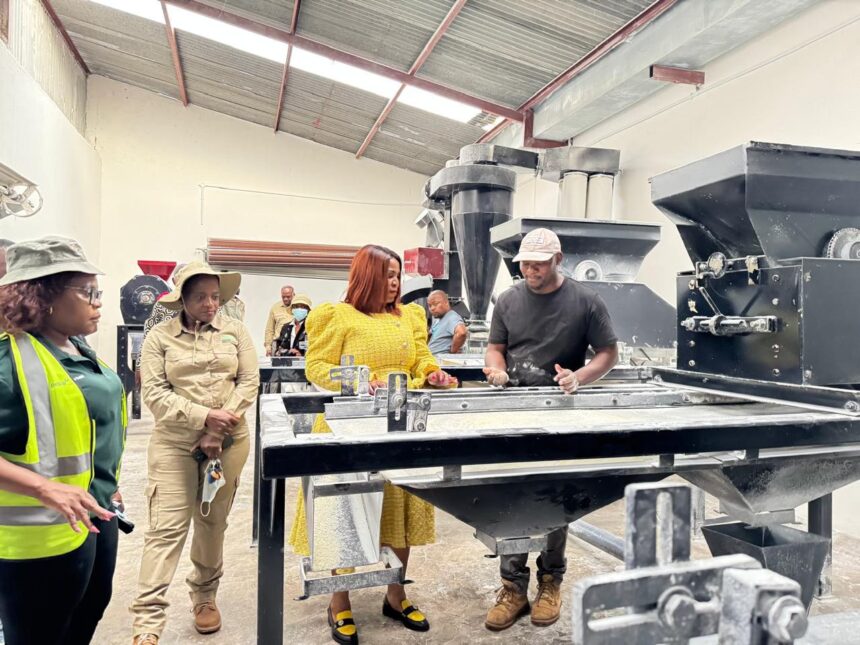
Small and micro milling has become an important part of community development in South Africa. Many rural and township communities depend on maize meal, flour and other grain products as daily staples. Large commercial mills dominate the market, yet smaller milling operations continue to grow because they can serve local needs more directly. These businesses create opportunities for farmers, entrepreneurs and cooperatives to process grain closer to where it is produced and consumed. Small milling operations also reduce transport costs, create jobs and improve food access in underserved areas. In communities where unemployment remains high, a small milling plant can become a practical source of income and economic activity. The rise of community milling reflects a broader push toward local food production, rural development and affordable food supply chains across South Africa.
Small and micro milling refers to the processing of grains such as maize and wheat on a smaller production scale than large industrial mills. Micro mills generally process smaller quantities per hour while still producing enough output to supply local communities and nearby retailers. These mills are often located near farming areas or inside communities where access to affordable processed grain products is limited. Their smaller size allows them to operate with lower startup costs and reduced infrastructure requirements compared to major commercial milling plants. Community millers often focus on maize meal because it remains one of the most consumed staple foods in South Africa. Many operations also produce samp, animal feed and specialty grain products depending on local demand. This flexibility allows small millers to adapt quickly to community needs and market conditions.
Maize milling plays a central role in food security across South Africa. Maize meal is a daily food source for millions of households, especially in low income communities. Large milling companies dominate most supermarket shelves, but rural consumers often pay higher prices due to transport and logistics costs. Transporting maize to distant urban mills and then back to rural communities increases the final cost of food. Small and micro mills help reduce these costs by processing grain closer to where people live. Communities benefit from fresher products, lower transport expenses and improved access to staple foods. In areas with limited infrastructure, local milling operations can also reduce dependence on distant suppliers during supply chain disruptions.
Starting a small milling business requires careful planning and understanding of the local market. Entrepreneurs must first decide which grains they want to process and which products they plan to sell. Maize meal remains the most common choice because demand stays consistent throughout the year. A successful mill also depends on reliable grain supply from farmers, cooperatives or grain traders. Operators need adequate storage facilities to protect grain from moisture, pests and contamination. Equipment selection is another important step because milling technology varies widely in cost, output and complexity. Smaller systems are often easier to maintain and require fewer skilled workers, which makes them more suitable for rural communities and first time business owners.
The choice of milling equipment has a direct impact on production quality and operating costs. Some community mills use hammer mills because they are affordable and simple to operate. Others use roller mills that produce finer and more consistent maize meal. South African companies and international manufacturers have introduced compact milling systems designed specifically for small businesses and community projects. Government backed initiatives have also supported mobile and containerized milling plants that can operate in rural environments with limited infrastructure. These systems are designed to reduce setup costs while improving production efficiency. Modern small scale mills often include cleaning, de-germinating and packaging equipment that helps operators meet food safety standards and consumer expectations.
Small milling businesses can create meaningful economic benefits for communities. A single milling operation can employ machine operators, drivers, packers, cleaners and administrative workers. Additional jobs are created through grain supply, transportation and retail activities linked to the mill. Farmers also benefit because they gain a nearby market for their crops instead of transporting grain long distances. This creates stronger local agricultural value chains and helps money circulate within the community. In some areas, cooperatives have used milling businesses to strengthen food production and increase income opportunities for women and youth. Small milling projects can also encourage young entrepreneurs to enter the agricultural sector with practical and achievable business ideas.
Government and development agencies have recognized the value of small scale milling in improving food security and rural development. Several South African initiatives have encouraged investment in agro processing and community milling projects. Some support programs aim to increase competition in the milling sector and reduce the price of maize meal for consumers. Development agencies have also established agro processing hubs that include milling plants, storage facilities and mechanization support for farmers. Financial support, grants and technical training remain important because many small entrepreneurs struggle to access funding and modern equipment. Partnerships between government, private companies and local communities continue to shape the future of small milling operations in South Africa. These partnerships can also help improve business training and long term sustainability for rural entrepreneurs.
Despite the opportunities, small and micro milling businesses also face major challenges. Electricity costs continue to rise, which affects production expenses and profitability. Rural areas may experience unreliable power supply that interrupts operations and damages equipment. Competition from large commercial brands can make it difficult for smaller mills to secure shelf space in supermarkets and retail chains. Access to finance remains another major barrier because milling equipment and storage infrastructure require significant investment. Skills shortages can also affect production quality, machine maintenance and business management. Some small operators struggle to meet food safety and fortification regulations, which are essential for producing legally compliant maize meal products in South Africa.
Community milling projects often succeed when they focus on local relationships and practical business strategies. Building strong connections with local farmers helps ensure a stable grain supply throughout the year. Many successful millers also provide flexible services such as custom milling for households and small farmers. Some communities prefer less refined maize meal because it is considered more nutritious and traditional. This creates opportunities for niche products that larger commercial mills may overlook. Entrepreneurs who understand local tastes and purchasing habits can build loyal customer bases more effectively. Small mills that invest in quality control, packaging and customer service are also more likely to grow into sustainable businesses over time.
Technology is beginning to reshape small scale milling across Africa, including South Africa. New compact milling systems use less electricity and require fewer workers than older machines. Some manufacturers now offer portable mills that can operate in remote locations with minimal infrastructure. Digital tools are also improving stock management, production tracking and customer communication for smaller businesses. While advanced agricultural technology remains expensive for many small operators, gradual improvements in affordability could increase adoption in the future. Community milling businesses that embrace efficient equipment and better management systems may gain a competitive advantage. As consumer demand for locally produced food grows, technology could help smaller millers improve quality and expand market access.
Small and micro milling remains one of the most practical agro processing opportunities for South African communities. It combines food production, entrepreneurship and local economic development in a way that directly benefits rural and township populations. Community mills help reduce food costs, create jobs and strengthen local farming systems. They also give entrepreneurs an entry point into the broader agricultural value chain without the massive investment required for industrial scale operations. Continued support from government, private industry and development organizations will remain important for the sector’s growth. With proper planning, reliable equipment and strong community involvement, small milling businesses can become sustainable long term enterprises. As South Africa continues to focus on food security and rural development, small and micro milling is likely to remain an important tool for empowering local communities and building stronger local economies.
Join 'Farmers Mag' WhatsApp Channel
Get the latest Farming news and tips delivered straight to your WhatsApp
CLICK HERE TO JOIN