Conservancies are becoming a practical model for land use in South Africa, where farmers face rising pressure from climate variability, land degradation, and market demands. This approach allows landowners and communities to manage natural resources collectively while maintaining productive farming systems. A conservancy is typically a voluntary agreement between neighboring land users who commit to sustainable land management practices. It blends conservation goals with agricultural production, creating a balance between environmental protection and economic activity. For many farmers, this model offers a structured way to improve land value, biodiversity, and long term profitability.
Forming a conservancy begins with building trust and alignment among landowners, farmers, and community stakeholders. Participants must agree on shared objectives, which often include protecting natural habitats, improving grazing systems, and reducing environmental risks. Legal frameworks and governance structures are then established to guide operations and decision making. These structures define roles, responsibilities, and rules that ensure fair participation and accountability. Clear agreements help prevent conflicts and ensure that all members benefit from the conservancy model.
Effective management of a conservancy requires careful planning and consistent monitoring of land use practices. Farmers need to adopt sustainable methods such as rotational grazing, soil conservation, and water management strategies. These practices help restore ecosystems while maintaining agricultural productivity. Data collection and regular assessments allow members to track progress and adjust strategies when needed. This structured approach ensures that both conservation and farming goals are achieved without compromising one for the other.
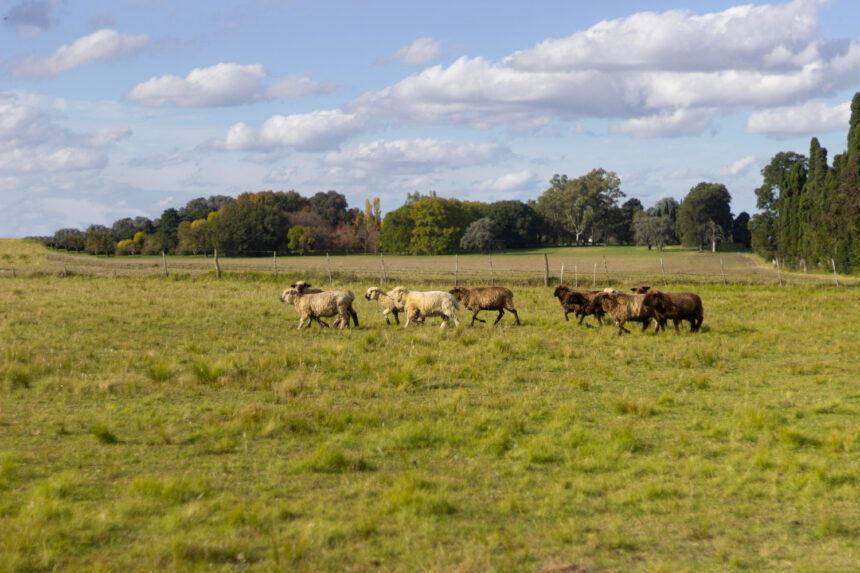
Farming within a conservancy can improve efficiency and reduce costs through shared resources and coordinated activities. Members can collaborate on infrastructure such as fencing, water systems, and access roads, which lowers individual investment burdens. Joint planning also allows farmers to manage livestock movement and grazing patterns more effectively. This reduces overgrazing and improves pasture quality across the conservancy. In addition, cooperative marketing efforts can help farmers access better prices and more stable markets.
Conservancies also open opportunities for diversified income streams that go beyond traditional farming. Activities such as eco-tourism, game farming, and conservation-based enterprises can generate additional revenue. These opportunities are particularly valuable in areas where agricultural conditions are challenging. By integrating conservation with business activities, farmers can reduce reliance on a single income source. This diversification strengthens financial resilience and supports long term sustainability.
Government support and partnerships play a key role in the success of conservancies in South Africa. Extension services, training programmes, and funding initiatives help farmers adopt sustainable practices and improve management skills. Collaboration with conservation organisations and private sector partners can also provide technical expertise and investment. These partnerships enhance the capacity of conservancies to operate effectively and scale their impact. Access to support systems ensures that even smallholder farmers can participate and benefit from this model.
Challenges still exist in forming and managing conservancies, particularly in areas with limited resources or conflicting land use interests. Coordination between multiple stakeholders can be complex and requires strong leadership. Financial constraints may also limit the ability to invest in infrastructure and conservation initiatives. However, these challenges can be addressed through proper planning, transparent governance, and ongoing support. Farmers who commit to the process often see long term benefits that outweigh the initial difficulties.
Conservancies offer a practical path toward sustainable farming in South Africa by combining environmental stewardship with economic opportunity. They create a system where land is managed responsibly while still producing food and generating income. Farmers who adopt this model can improve resilience against climate risks and market fluctuations. The success of conservancies depends on collaboration, effective management, and continuous learning. As more farmers explore this approach, it is likely to play an increasingly important role in shaping the future of agriculture in the country.
Join 'Farmers Mag' WhatsApp Channel
Get the latest Farming news and tips delivered straight to your WhatsApp
CLICK HERE TO JOIN