
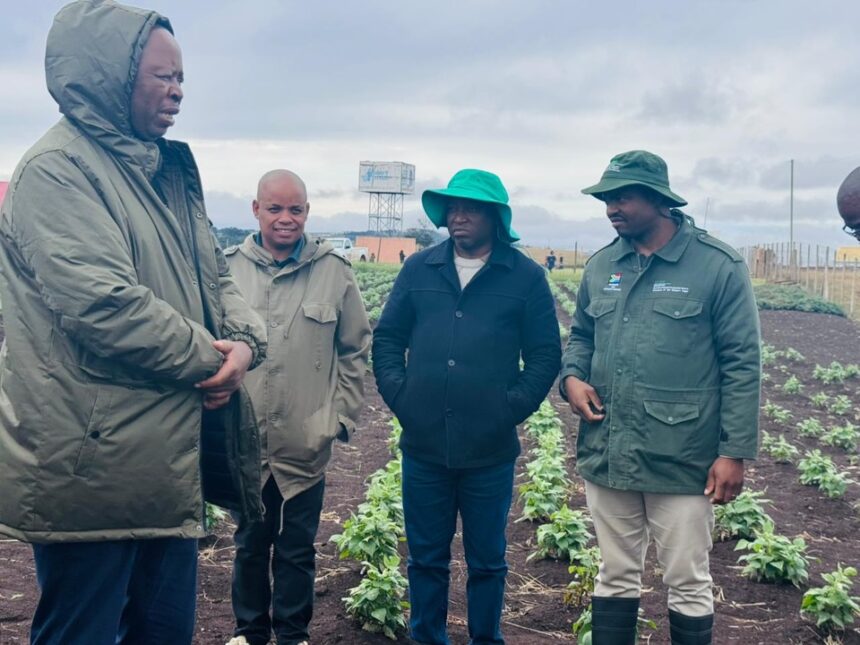
The Eastern Cape Department of Agriculture continues to strengthen its commitment to rural development and youth empowerment through targeted educational outreach. A recent evaluation visit to Diamond Senior Primary School in the Alfred Nzo District Municipality shows how practical agricultural education can shape the future of communities. The visit focused on equipping young learners with knowledge that connects directly to daily life and long term sustainability. Officials engaged students in meaningful discussions around agriculture, conservation, and food production. This approach reflects a clear strategy to build awareness early and encourage responsible environmental behavior.
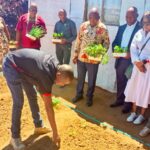
The department’s LandCare and Extension and Advisory Services teams led the engagement with a structured and interactive programme. Learners explored key concepts such as conservation agriculture, which focuses on soil health, water efficiency, and reduced environmental impact. Facilitators explained how simple practices like crop rotation and minimal soil disturbance can improve yields and protect natural resources. Gardening was another central topic, with practical examples that learners can apply at home or in school projects. This hands-on approach ensures that students not only understand the theory but also see how it works in real situations.
Participation from the learners stood out during the visit, as many confidently answered questions and shared their own observations. This level of engagement indicates that the message is reaching its target and that young people are willing to take part in sustainable practices. Students demonstrated a growing awareness of how agriculture connects to food security and household well being. They also showed interest in how small scale gardening can support families and communities. These responses highlight the effectiveness of direct engagement compared to traditional classroom teaching alone.
The initiative forms part of a broader effort to promote food security in rural areas where access to fresh produce can be limited. By teaching children how to grow food and manage natural resources, the programme builds long term resilience. It also supports the idea that education should include practical life skills that can create economic opportunities. When learners adopt these practices early, they are more likely to continue using them into adulthood. This creates a ripple effect that can influence entire communities over time.
Mlungiseleli Tuswa, Deputy Director for Natural Resource Management, praised the learners for their enthusiasm and active participation. He noted that their response reflects the positive impact of LandCare programmes at grassroots level. Tuswa also acknowledged the role of educators, school staff, and community stakeholders in supporting the initiative. Their collaboration ensures that the knowledge shared during visits can be reinforced in daily school activities. Strong partnerships like these are essential for sustaining the impact of such programmes.
The visit to Diamond Senior Primary School demonstrates how targeted agricultural education can drive meaningful change. It shows that when young people receive the right tools and knowledge, they become active participants in building sustainable communities. The Eastern Cape Department of Agriculture continues to invest in initiatives that link education with real world challenges such as food security and environmental management. This approach strengthens both individual capacity and community resilience. Continued efforts in this area will play a key role in shaping a more sustainable and food secure future for the region.
Join 'Farmers Mag' WhatsApp Channel
Get the latest Farming news and tips delivered straight to your WhatsApp
CLICK HERE TO JOIN