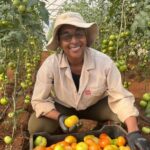
Starting a farming career after matric in South Africa is a realistic pathway for young people who want to build independence, create income, and contribute to food production. Agriculture remains one of the most important sectors in the country, supporting employment, rural development, and food security. Many successful farmers today began with limited resources but grew through training, planning, and persistence. Farming after matric does not require immediate ownership of land or expensive equipment, but it does require knowledge, discipline, and a clear direction. With the right approach, young people can enter agriculture step by step and build sustainable farming operations over time.
The first step in starting farming after matric is gaining basic agricultural knowledge and practical skills. This can be done through agricultural colleges, short courses, apprenticeships, or mentorship programmes offered by experienced farmers. Institutions such as agricultural training centres and universities of technology provide structured programmes in crop production, animal husbandry, and agribusiness. Practical experience is just as important as theory, so working on a farm helps build real understanding of daily operations. Learning how soil, climate, inputs, and markets work together gives beginners a strong foundation. Without this knowledge, it becomes difficult to make informed farming decisions.
Choosing the right type of farming is another important decision for beginners. South Africa offers opportunities in crop farming, livestock production, poultry farming, and horticulture, among others. Each type of farming has different startup costs, risks, and skill requirements. Poultry farming is often seen as one of the easier entry points because it requires less land and can generate quicker returns. Crop farming may require more land and planning but can scale over time. Livestock farming requires knowledge of animal health, feed management, and biosecurity. Selecting a farming focus based on available resources and local demand improves the chances of success.
Access to land is one of the biggest challenges for young farmers after matric. However, land ownership is not always required to start farming. Many young farmers begin by leasing land, using family land, or participating in government-supported agricultural programmes. Local municipalities and agricultural departments sometimes provide access to land for emerging farmers through allocation or support schemes. It is important to start small and expand gradually as experience and income grow. Proper land use planning ensures that even limited space can be productive and profitable.
Funding is another key factor when starting farming after matric. Many young farmers do not have enough personal savings to cover startup costs. In South Africa, funding options include government grants, agricultural development programmes, banks, and private investors. Institutions such as the Department of Agriculture and agricultural development agencies often support emerging farmers with inputs, training, and financial assistance. Writing a simple business plan increases the chances of securing funding because it shows clear goals and expected outcomes. Managing finances carefully from the beginning helps avoid unnecessary debt and financial pressure.
Understanding markets is essential for building a successful farming business. Farmers must know where and how they will sell their products before production begins. Local markets, supermarkets, informal traders, and cooperatives all offer potential sales channels. Demand for fresh vegetables, poultry products, and dairy remains strong in many communities. Pricing, transport costs, and competition must all be considered when choosing a market strategy. Farmers who understand their customers can adjust production to meet demand more effectively.
Modern farming also requires attention to technology and efficiency. Even small-scale farmers can benefit from simple tools such as mobile apps for weather updates, digital record keeping, and basic irrigation systems. Technology helps improve productivity and reduces waste by providing better control over inputs and timing. Social media and online platforms can also help young farmers market their products directly to customers. As agriculture becomes more competitive, using technology can give new farmers an advantage. Learning these tools early builds long-term capability.
Networking and mentorship play a major role in agricultural success. Young farmers benefit from connecting with experienced producers, agricultural advisors, and farming organisations. These relationships provide guidance, support, and practical advice that is not always available in formal training. Mentors can help new farmers avoid common mistakes and improve decision making. Joining cooperatives or farming groups also creates opportunities for shared resources and collective marketing. Agriculture is often more successful when farmers work together rather than in isolation.
Starting farming after matric in South Africa requires patience, commitment, and continuous learning. Success does not happen immediately, but it builds over time through experience and consistent effort. Young farmers must be willing to start small, learn from challenges, and reinvest profits into growth. Agriculture offers real opportunities for income generation and long-term stability when managed properly. With the right combination of education, planning, and practical action, farming can become a sustainable career path for young people entering the sector after matric.
Join 'Farmers Mag' WhatsApp Channel
Get the latest Farming news and tips delivered straight to your WhatsApp
CLICK HERE TO JOIN