The shift toward a greener economy is creating new opportunities for farmers across South Africa. Agriculture is no longer only about traditional production methods but is increasingly linked to sustainability, climate resilience, and innovation. Farmers are now expected to balance productivity with environmental responsibility while still remaining profitable. This transition is opening doors to new markets, funding streams, and technologies that support sustainable growth. It also positions agriculture as a key sector in South Africa’s long term environmental and economic strategy.
The South Africa agricultural sector is uniquely placed to benefit from green economy initiatives due to its diversity and scale. Farmers involved in crops, livestock, poultry, and horticulture are all being encouraged to adopt more sustainable practices. These include water efficient irrigation systems, regenerative farming methods, and reduced reliance on chemical inputs. Organic farming is also gaining attention as consumer demand for healthier and environmentally friendly food continues to grow. These changes are not only environmental but also economic, as they open access to premium markets locally and internationally.
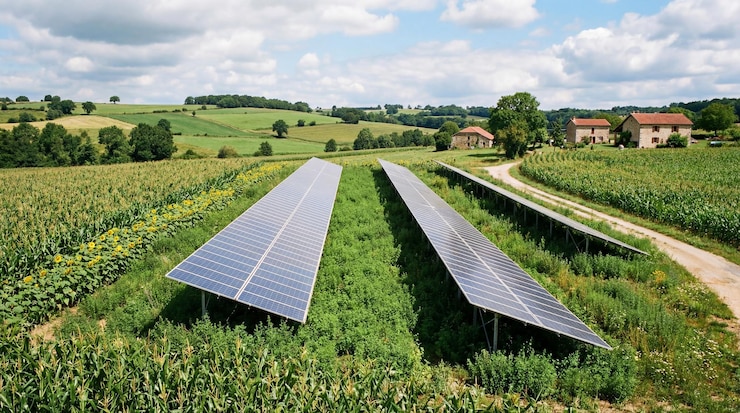
Renewable energy is one of the strongest green economy opportunities for farmers. Many farming operations are adopting solar power to reduce dependence on unreliable electricity supply and lower operational costs. Solar-powered irrigation systems and cold storage facilities are becoming more common in rural farming areas. Wind and biogas energy solutions are also being explored, especially in large-scale farming operations. These technologies help farmers reduce carbon emissions while improving efficiency and long term sustainability.
Water management is another critical area where green economy practices are making a significant impact. South Africa’s water scarcity challenges make efficient usage essential for agricultural success. Farmers are increasingly adopting drip irrigation systems and rainwater harvesting techniques to conserve water. Smart farming technologies that monitor soil moisture and weather conditions are also improving water use efficiency. These innovations help reduce waste and ensure crops receive the right amount of water at the right time.
Carbon farming and climate smart agriculture are emerging as new income opportunities for farmers. These practices involve capturing carbon in soil and vegetation, which can potentially be rewarded through carbon credit systems. Farmers who adopt sustainable land management practices may be able to access carbon markets in the future. This creates an additional revenue stream while also contributing to climate change mitigation. It encourages long term investment in soil health and ecosystem restoration.
Waste management and circular economy practices are also gaining traction in the agricultural sector. Farmers are finding ways to reuse organic waste for compost, animal feed, and bioenergy production. This reduces environmental impact while lowering input costs. Livestock manure, crop residues, and food processing waste are being transformed into valuable resources. These practices improve farm efficiency and reduce dependence on external inputs.
Government support and private sector investment are playing a key role in driving the green economy transition. Training programmes, grants, and extension services are helping farmers adopt sustainable technologies and practices. Financial institutions are also introducing green financing products tailored to environmentally responsible farming. These support systems are essential for smallholder and emerging farmers who may lack the capital to invest in new technologies. Collaboration between stakeholders is helping to scale up sustainable agriculture across different regions.
The green economy presents a long term opportunity for farmers to improve resilience, profitability, and environmental stewardship. It aligns agricultural production with global sustainability goals while addressing local challenges such as water scarcity and energy shortages. Farmers who adapt early are more likely to benefit from new markets and improved productivity. The transition requires investment, knowledge, and support, but the potential rewards are significant. South Africa’s agricultural future is increasingly tied to sustainability, and the green economy is becoming a central pathway for growth and transformation.
Join 'Farmers Mag' WhatsApp Channel
Get the latest Farming news and tips delivered straight to your WhatsApp
CLICK HERE TO JOIN