South Africa offers strong potential for small-scale fruit farming due to its diverse climate zones and steady demand for fresh produce. You can grow a wide range of fruits if you match your crop to your region, soil type, and water availability. Small farms benefit most from fruit crops that produce high yields, require manageable space, and have consistent market value. Climate plays a direct role in success, since some fruits need warm, frost-free conditions while others perform better in cooler areas. Careful planning helps you reduce risk, improve productivity, and build a steady income over time.
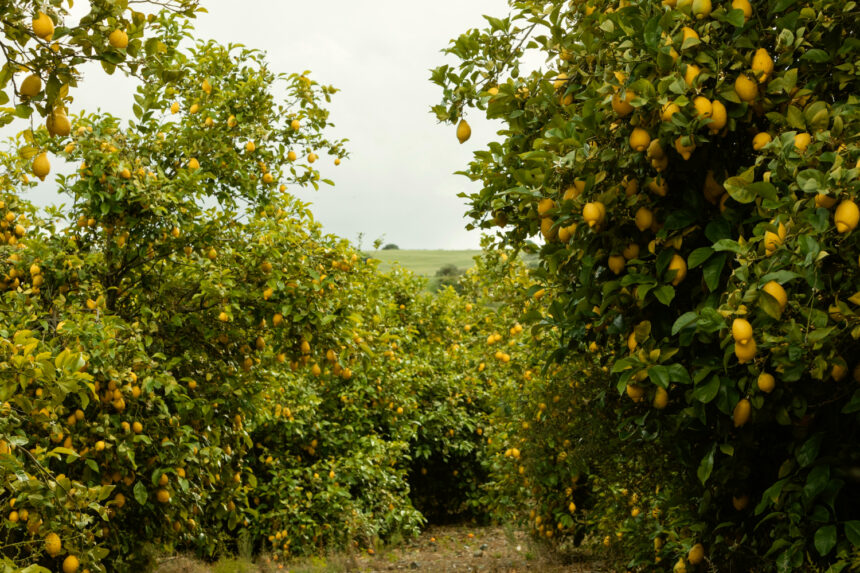
Citrus fruits remain one of the most reliable options for small farms across the country. Oranges, lemons, naartjies, and grapefruits grow well in regions with warm summers and mild winters. These fruits have strong local and export demand, which supports stable pricing throughout the year. Citrus trees also produce for many years once established, which makes them a long-term investment. With proper irrigation, pruning, and pest control, you can maintain consistent yields even on a small piece of land. This makes citrus a practical starting point if you want predictable returns.
Avocados are another high-value crop that works well in warmer regions such as KwaZulu-Natal and Mpumalanga. They require well-drained soil, regular watering, and protection from frost to grow successfully. Avocados are in high demand both locally and internationally, which creates strong income potential for farmers. Even a small orchard can generate good returns if you focus on quality and proper handling. You need to manage pests, diseases, and harvesting carefully to protect your investment. With the right approach, avocados can become one of the most profitable crops on a small farm.
Subtropical fruits like mangoes, bananas, and guavas also suit small-scale farming in warmer climates. These crops require consistent heat and water but can produce high yields when conditions are right. Mango trees can produce large quantities of fruit each season, while bananas offer faster returns due to shorter growing cycles. Guavas are hardy and adapt well to different soil types, which makes them easier to manage. These fruits allow you to diversify your income and reduce reliance on a single crop. By combining different varieties, you can extend your harvest season and maintain steady cash flow.
For areas with limited water or harsher conditions, cactus pears offer a strong alternative. These plants require very little water and can survive in dry, semi-arid regions where other crops struggle. They are easy to maintain and can produce both fruit and livestock feed. This dual purpose increases their value on a small farm. You can plant cactus pears on marginal land and still achieve reliable production. This makes them a smart option if you want to lower input costs while maintaining output.
Dragon fruit is gaining attention as a niche crop with growing market demand. It grows well in warm climates and can be cultivated on small plots using vertical support systems. The fruit has a unique look and attracts higher prices in specialty markets. Although it requires careful management and initial setup, it can deliver strong returns once established. You can target restaurants, health markets, and urban consumers who look for premium produce. This crop suits farmers who want to explore new opportunities beyond traditional fruits.
Stone fruits such as peaches, plums, and apricots are suitable for cooler regions like parts of the Western Cape. These crops need a cold winter period to produce quality fruit, which limits where they can be grown. They require regular pruning and pest control, but they can be highly productive under the right conditions. These fruits also have strong demand in fresh and processed markets. You can sell them directly or supply local processors for added income streams. With good management, they can provide reliable seasonal earnings.
Choosing the right fruit crops for your small farm depends on your environment and your market access. You need to assess your soil, climate, and water supply before planting. It is also important to select crops that have proven demand so you can sell your produce easily. Mixing different fruit types helps spread risk and ensures income throughout the year. Small-scale fruit farming in South Africa can be profitable if you make informed decisions and manage your crops carefully. With the right strategy, you can turn limited land into a productive and sustainable farming business.
Join 'Farmers Mag' WhatsApp Channel
Get the latest Farming news and tips delivered straight to your WhatsApp
CLICK HERE TO JOIN