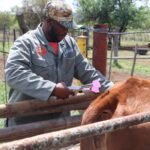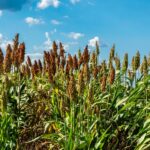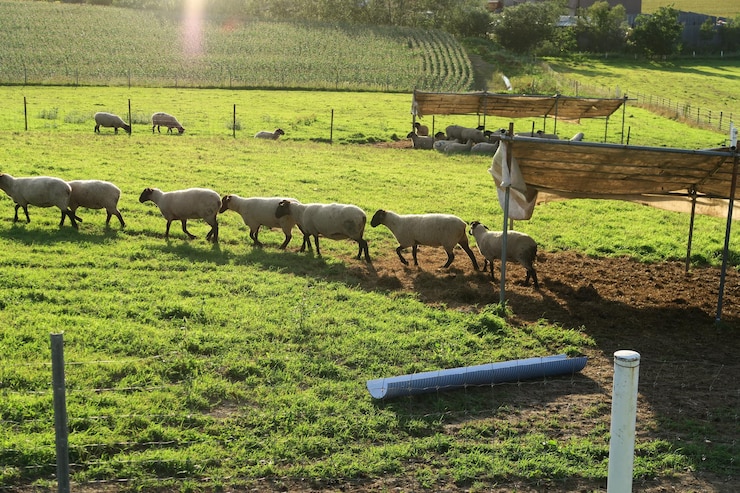
Farming in South Africa requires careful planning due to unpredictable weather, rising input costs, and shifting market demands. Many farmers focus on either crops or livestock, but this limits long term stability. A balanced system that combines both can improve productivity and reduce risk. You can use crop residues to feed animals and return nutrients to the soil through manure. This creates a continuous cycle that strengthens your land over time. Integrated farming also spreads income across different seasons, which helps you manage cash flow. When managed properly, it builds a more resilient and profitable farm.
Balancing crop and livestock production starts with understanding how each supports the other. Crops produce residues such as maize stalks, wheat straw, and cover crops that can be used as feed. Livestock convert this material into manure, which improves soil fertility and structure. This reduces your dependence on expensive fertilizers and supports healthier soils. You should plan your planting schedule and livestock numbers together so that feed supply matches demand. This prevents overgrazing and ensures your animals remain productive. A well planned system allows both enterprises to operate efficiently without competing for resources.
Land management plays a major role in maintaining balance on your farm. Rotational grazing helps you manage pasture use and allows grass to recover between grazing periods. Dividing your land into camps and moving livestock regularly improves forage quality and prevents soil damage. Crop rotation is equally important because it reduces pests and improves yields. Including legumes such as soybeans or lucerne helps fix nitrogen in the soil, which benefits future crops. These practices work together to improve soil health and increase overall productivity. Over time, your land becomes more fertile and easier to manage.
Feed planning is essential, especially during dry periods when grazing is limited. You should store crop residues and produce hay or silage when there is surplus feed available. This ensures your livestock have enough to eat throughout the year. Cover crops can also provide additional grazing while protecting the soil from erosion. Choosing the right mix of livestock helps you use available resources more effectively. Cattle, sheep, and goats graze differently, which allows better use of pasture. This reduces waste and improves overall efficiency on your farm.
Financial stability improves when you integrate crops and livestock correctly. Crops often generate income during harvest periods, while livestock can provide regular cash flow throughout the year. If one part of your farm underperforms due to drought or market changes, the other can help support your income. Keeping records of costs and returns for each enterprise helps you identify what works best. You can then adjust your approach to improve profitability. Over time, this balanced system reduces financial risk and strengthens your farm business.
Managing both crops and livestock requires more effort, so good planning is important. Tasks such as planting, harvesting, grazing management, and manure application must be coordinated carefully. You can reduce pressure by starting small and expanding gradually as you gain experience. Training workers to handle both crop and livestock activities improves efficiency. Simple systems are easier to manage and less likely to fail. With proper organisation, you can handle the added workload and benefit from the integration.
Balancing crop and livestock production also supports environmental sustainability. Manure improves soil organic matter, which helps the soil retain water and resist erosion. Recycling nutrients within your farm reduces waste and lowers input costs. Healthy soils produce better crops and support stronger pastures. This approach helps you adapt to climate challenges and maintain productivity over time. A balanced farm uses resources more efficiently and protects the environment for future use.
Balancing crop and livestock production requires clear goals, careful planning, and ongoing adjustments. You need to match your land use, feed supply, and livestock numbers to create a system that works for your conditions. Start with a simple plan and refine it as you learn what performs best on your farm. Focus on improving soil health, managing grazing properly, and using crop residues effectively. Over time, this approach will increase productivity, stabilize income, and reduce risk. A well balanced farm is better prepared to handle challenges and achieve long term success.
Join 'Farmers Mag' WhatsApp Channel
Get the latest Farming news and tips delivered straight to your WhatsApp
CLICK HERE TO JOIN