Climate change is already reshaping agriculture in South Africa, and farmers are feeling the pressure through unpredictable rainfall, longer droughts, and rising temperatures. These changes affect crop yields, livestock health, and overall farm profitability. Farming systems that once relied on predictable seasons now face uncertainty that demands faster decision making and stronger planning. To stay productive, farmers must adjust how they manage land, water, crops, and animals. Adaptation is no longer optional, it is a practical requirement for survival and long term success.
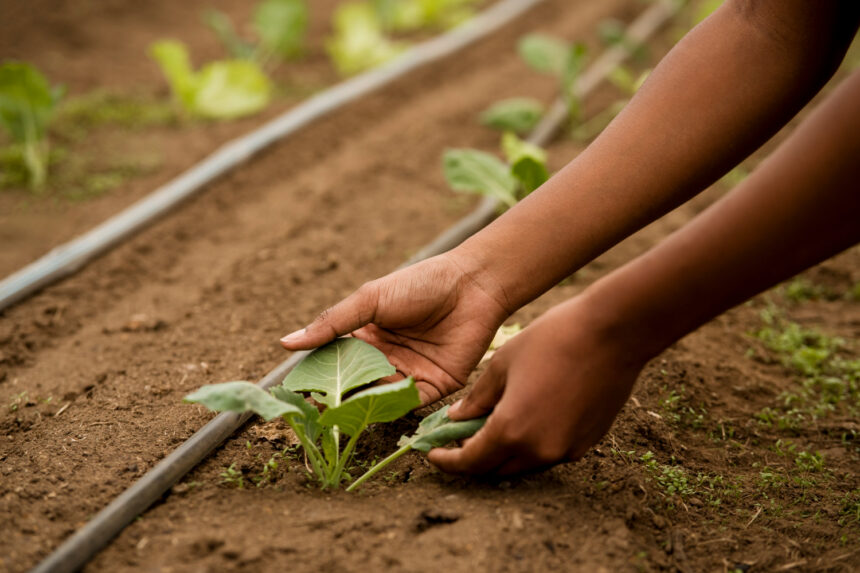
Water management is one of the most critical areas affected by climate change. Rainfall patterns are becoming less reliable, and many regions experience extended dry periods followed by heavy downpours. Farmers need to use water more efficiently through improved irrigation systems such as drip irrigation and precision scheduling. Rainwater harvesting and on farm storage systems like dams and tanks can help reduce pressure during dry spells. Soil moisture monitoring tools also allow farmers to irrigate only when necessary, reducing waste and saving costs. These changes help ensure that crops receive consistent water even under unstable weather conditions.
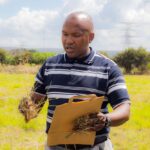
Soil health plays a central role in climate adaptation because healthy soil retains more water and supports stronger plant growth. Practices such as conservation tillage, cover cropping, and organic matter addition improve soil structure and fertility. These methods reduce erosion caused by heavy rains and increase resilience during drought conditions. Farmers who build soil health over time often see more stable yields even in difficult seasons. Crop rotation also helps break pest and disease cycles, reducing the need for chemical inputs. Strong soils act as a buffer against climate variability.
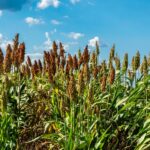
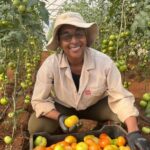
Crop selection is another important strategy for adapting to changing conditions. Farmers may need to shift toward drought resistant or heat tolerant crop varieties that perform better under stress. Indigenous and locally adapted crops often handle climate extremes better than imported varieties. Adjusting planting dates can also help avoid peak heat or rainfall periods that damage crops. Diversifying crops instead of relying on a single commodity reduces financial risk. This approach ensures that even if one crop fails, others can still provide income and food security.
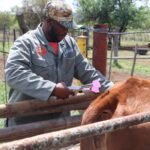
Livestock farmers also need to adjust their management practices to cope with climate change. Heat stress affects animal productivity, reproduction, and overall health, especially in cattle and poultry. Providing adequate shade, ventilation, and clean water becomes essential during hot periods. Changing grazing patterns and improving pasture management helps prevent overgrazing and land degradation. Farmers may also need to adjust feed strategies when natural grazing becomes limited. These steps help maintain animal welfare and productivity under changing conditions.
Technology and data are becoming powerful tools in climate adaptation for agriculture. Weather forecasting systems, mobile alerts, and satellite data help farmers make informed decisions about planting, irrigation, and harvesting. Digital farming tools can track soil conditions, rainfall patterns, and crop health in real time. This information allows farmers to respond quickly to changing conditions instead of reacting too late. Access to accurate data reduces uncertainty and improves planning across the farming cycle. Technology is becoming a key part of modern climate resilient farming.
Government support and agricultural extension services also play an important role in helping farmers adapt. Training programmes provide knowledge on climate smart agriculture practices and sustainable farming techniques. Financial support schemes can help farmers invest in irrigation systems, drought resistant seeds, and infrastructure improvements. Research institutions continue to develop new crop varieties and farming methods suited to local conditions. Collaboration between farmers, government, and researchers strengthens the overall agricultural system. This shared approach improves resilience at both local and national levels.
Adapting farming practices to climate change in South Africa requires a combination of smart water use, improved soil management, crop diversification, livestock care, and modern technology. Farmers who adopt these strategies are better positioned to handle unpredictable weather and protect their livelihoods. Climate change presents serious challenges, but it also creates opportunities for innovation and improved efficiency in agriculture. With the right tools and knowledge, farming systems can become more resilient and sustainable. Long term success depends on the ability to adapt, plan ahead, and continuously improve farming practices in response to a changing environment.
Join 'Farmers Mag' WhatsApp Channel
Get the latest Farming news and tips delivered straight to your WhatsApp
CLICK HERE TO JOIN