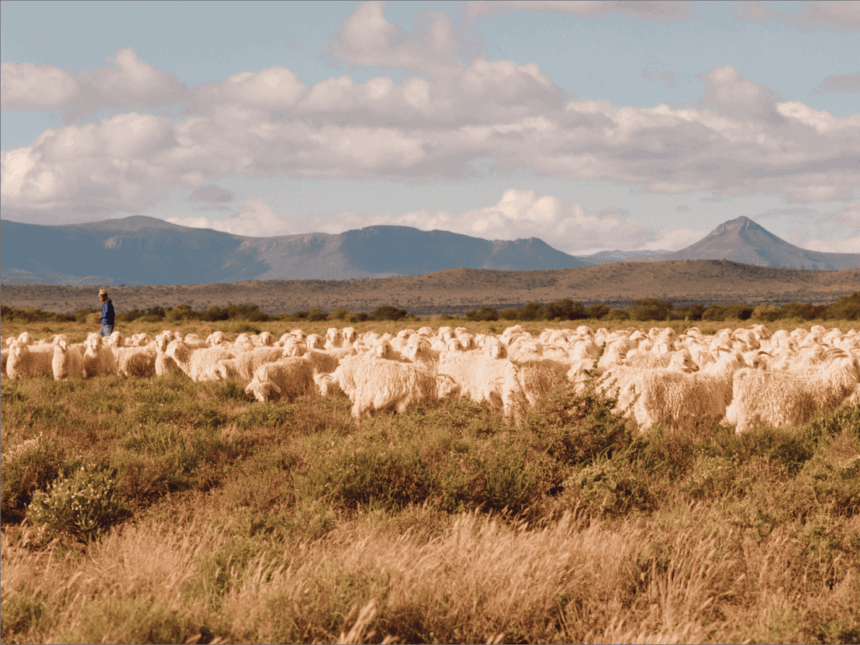
The mohair industry in South Africa offers a valuable opportunity for goat farmers who want to diversify their income and enter a high value agricultural market. Mohair is a natural fibre produced from Angora goats and is known globally for its softness, durability, and sheen. South Africa is one of the world’s leading producers of mohair, which places local farmers in a strong position within the international textile supply chain. The industry contributes to rural development, job creation, and export earnings, especially in semi arid regions where traditional crop farming is limited. For goat farmers, understanding how the mohair value chain works is essential for long term success and profitability.
Angora goat farming is at the centre of mohair production and requires specific knowledge and management practices. These goats are different from meat or dairy breeds because they are primarily raised for their fibre rather than consumption. Their fleece grows continuously and is typically shorn twice a year to collect mohair. Proper animal care is critical because fibre quality depends on health, nutrition, and stress levels. Farmers must maintain good grazing systems, parasite control, and shelter to ensure consistent production and high quality fibre output.
South Africa’s climate, particularly in the Eastern Cape, provides ideal conditions for mohair production. The semi arid environment supports extensive grazing systems, which are well suited to Angora goats. Many small scale and commercial farmers in these regions depend on mohair as a primary or supplementary source of income. The industry has developed strong infrastructure over time, including shearing sheds, grading systems, and auction platforms. This structured environment allows farmers to access both local and international buyers efficiently.
The mohair production process begins with breeding and raising healthy Angora goats that can produce high quality fleece. Farmers focus on genetic selection to improve fibre characteristics such as length, strength, and fineness. Regular shearing is carried out under controlled conditions to avoid damaging the fibre and to maintain animal welfare standards. After shearing, mohair is cleaned, sorted, and graded based on quality before being sold. This grading system plays a major role in determining market price and overall profitability for farmers.
Market demand for mohair is driven by the global textile and fashion industries, where it is used in luxury garments, upholstery, and accessories. Buyers value mohair for its lightweight properties, insulation, and natural shine. South African mohair is especially respected for its quality, which gives local farmers a competitive advantage. However, prices can fluctuate depending on global demand and economic conditions. Farmers are encouraged to stay informed about market trends and to participate in organised auctions or cooperatives to secure better pricing.
For goat farmers considering entry into the mohair industry, training and support are essential. Agricultural extension services, industry organisations, and experienced farmers provide guidance on animal management and fibre production. Access to veterinary care and technical advice helps reduce risks such as disease outbreaks or poor fibre quality. Financial planning is also important because initial investment in breeding stock and infrastructure can be significant. With proper planning, mohair farming can become a stable and long term income source.
Sustainability is becoming increasingly important in the mohair industry as global buyers focus on ethical and environmentally responsible production. Farmers are expected to adopt practices that protect land, reduce overgrazing, and ensure animal welfare. Rotational grazing and efficient water use are common strategies that support environmental balance. These practices not only protect natural resources but also improve long term productivity. Sustainable farming also strengthens market access, especially in premium export markets.
The mohair industry continues to offer strong potential for growth within South Africa’s agricultural sector. For goat farmers, it represents an opportunity to move beyond traditional livestock production and engage in a specialised global market. Success depends on proper animal management, understanding of fibre quality, and awareness of market dynamics. With the right support and commitment, farmers can build profitable operations that contribute to both household income and rural economic development. The industry remains a key example of how specialised agriculture can create lasting opportunities in challenging farming environments.
Join 'Farmers Mag' WhatsApp Channel
Get the latest Farming news and tips delivered straight to your WhatsApp
CLICK HERE TO JOIN