Soil testing is one of the most important steps you can take to improve farm productivity in South Africa. Many farmers rely on guesswork when applying fertiliser, which often leads to poor yields or wasted input costs. Laboratory soil analysis gives you accurate information about nutrient levels, pH balance, and soil health. This data helps you make informed decisions that improve crop performance and long term soil fertility. Using laboratories correctly can turn soil management into a precise and cost effective process.
You should use a soil laboratory before planting a new crop or starting a new farming season. This timing allows you to understand the condition of your soil and plan the right fertiliser programme. Soil testing is also essential when switching crops, especially if you are moving from low nutrient demand crops to high nutrient demand crops like maize or vegetables. If you notice declining yields over time, laboratory testing can help identify nutrient deficiencies or soil imbalance. Testing is not a once off activity, it should be part of your regular farm planning cycle. Most farmers benefit from testing at least once a year, depending on crop intensity and soil type.
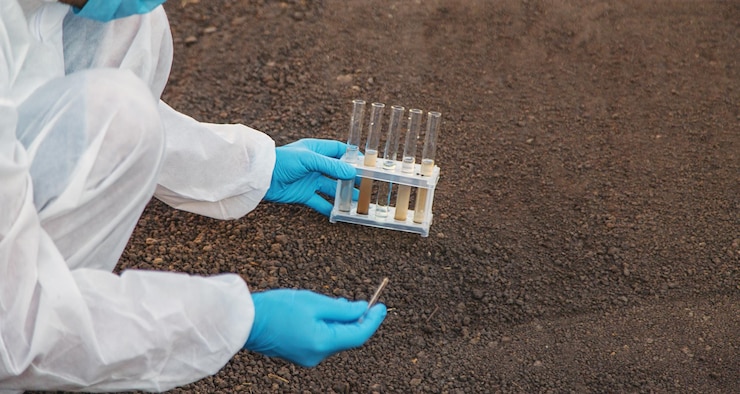
Collecting a proper soil sample is critical for accurate laboratory results. You need to take samples from different parts of your field rather than just one spot. Soil should be collected from the correct depth, usually between 15 cm and 30 cm for most crops. The samples must be mixed thoroughly and placed in a clean container to avoid contamination. Many agricultural extension services and laboratories provide clear instructions on how to collect samples correctly. Poor sampling can lead to misleading results, which affects your entire fertilisation plan.
Once your soil samples reach the laboratory, they are tested for key indicators such as nitrogen, phosphorus, potassium, and organic matter. Laboratories may also test soil acidity, salinity, and micronutrient levels depending on your farming needs. In South Africa, soil testing services are widely available through private laboratories, universities, and government supported facilities. The results are usually provided in a detailed report that explains nutrient levels and recommends fertiliser application rates. Understanding these reports is essential for making practical decisions on your farm. If needed, you can consult an agronomist to help interpret the results.
The best time to use soil laboratories is before planting, during crop rotation planning, and after harvesting cycles. Pre planting tests help you prepare the soil properly, while post harvest tests show how previous crops affected soil nutrients. Testing during crop rotation is useful for adjusting fertiliser strategies and maintaining soil balance. Farmers in high intensity farming systems may also test mid season if crops show signs of stress or poor growth. Regular testing ensures that soil health is continuously monitored and managed. This prevents long term degradation and improves sustainability.
Soil laboratories also play an important role in supporting precision agriculture in South Africa. With accurate soil data, you can apply fertiliser only where it is needed, reducing waste and improving efficiency. This approach helps lower production costs and reduces environmental impact caused by over fertilisation. It also supports better water retention and improved crop resilience. As farming becomes more data driven, soil testing is becoming a core part of modern agricultural management. Farmers who use laboratory services consistently tend to achieve more stable and predictable yields.
Using soil laboratories in South Africa is essential for making informed farming decisions and improving productivity. Proper timing, correct sampling, and accurate interpretation of results all play a key role in successful soil management. Regular testing before planting, during rotation, and after harvest helps maintain soil health and long term fertility. With rising input costs and changing climate conditions, soil analysis provides a reliable way to optimise resources. Farmers who make soil testing part of their routine are better positioned for sustainable and profitable agriculture.
Join 'Farmers Mag' WhatsApp Channel
Get the latest Farming news and tips delivered straight to your WhatsApp
CLICK HERE TO JOIN