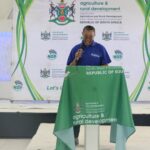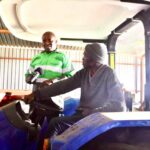
Gauteng is taking focused steps to strengthen its agricultural output, with renewed attention on grain production and farmer support. The recent engagement between Vuyiswa Ramokgopa and Grain SA signals a practical shift toward collaboration and long-term planning. Grain farming remains a critical pillar for food security, job creation and rural development in South Africa. Gauteng, while largely urban, still holds strategic agricultural zones that can be optimized for higher productivity. This meeting reflects a growing urgency to unlock that potential through structured partnerships. The province aims to move beyond isolated interventions and focus on coordinated systems that deliver measurable results. By working directly with industry leaders, the government is positioning itself to respond more effectively to farmer needs.
The discussion focused on building a strategic partnership that aligns government support with industry expertise. Grain SA brings deep knowledge of farmer challenges, market dynamics and production techniques across different regions. MEC Ramokgopa’s approach emphasizes listening to these insights and translating them into actionable policy and support programs. One key issue raised was access to resources, including inputs like seeds, fertilizer and machinery. Many farmers in Gauteng face constraints that limit their ability to scale production despite available land. Another concern involves access to financing, which often restricts emerging farmers from expanding operations. By addressing these gaps through partnership, the province can create a more enabling environment for consistent grain output.
A major part of the engagement involved studying successful producer support models from other provinces. Regions like the Free State and Mpumalanga have developed systems that integrate training, funding and market access into a single support structure. These models show clear improvements in yield, farmer income and sustainability over time. Gauteng aims to adapt these lessons to its own context, rather than copying them directly. This includes tailoring support programs to smaller land sizes and different climate conditions. It also involves creating stronger links between farmers and buyers to reduce post-harvest losses. Learning from proven systems reduces trial and error and speeds up implementation.
The conversation also highlighted the importance of innovation in agriculture. Modern grain production relies on data, technology and efficient resource management. Precision farming tools can help farmers use water, fertilizer and pesticides more effectively. Training programs can equip farmers with the skills needed to adopt these technologies. Grain SA plays a key role in bridging the knowledge gap by providing education and technical support. The provincial government can amplify this by investing in extension services and digital platforms. Together, these efforts can increase productivity without significantly increasing costs.
Another critical focus area is building resilience within the grain value chain. Climate variability, rising input costs and market fluctuations all pose risks to farmers. A coordinated strategy helps mitigate these risks through shared resources and better planning. For example, bulk purchasing agreements can reduce input costs for farmers. Storage and logistics improvements can protect harvests and stabilize supply. Policy support can also create more predictable market conditions. These measures contribute to a more stable and reliable grain sector in Gauteng.
This engagement marks a meaningful step toward transforming grain production in the province. It shows a clear intent to move from discussion to implementation, with defined roles for both government and industry. By leveraging the strengths of Grain SA and aligning them with provincial priorities, Gauteng can build a more efficient and competitive agricultural sector. The focus on collaboration, innovation and proven models creates a strong foundation for growth. Over time, these efforts can improve food security, support farmer livelihoods and strengthen the local economy. The partnership sets the stage for a resilient grain value chain that can adapt to future challenges while delivering consistent results.
Join 'Farmers Mag' WhatsApp Channel
Get the latest Farming news and tips delivered straight to your WhatsApp
CLICK HERE TO JOIN