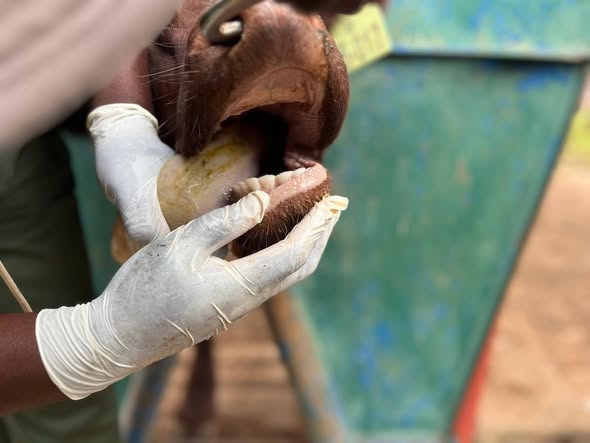
Gauteng is continuing to respond decisively to Foot and Mouth Disease (FMD), with authorities focusing on containment, vaccination and support for affected farmers. The outbreak has placed significant pressure on the province’s livestock sector, which plays a vital role in food production and rural livelihoods. A total of 287 cases have now been recorded, prompting coordinated intervention from veterinary services and government agencies. The response effort aims to limit further spread while protecting both commercial and small scale farmers from deeper economic losses. Strong coordination between stakeholders remains central to controlling the situation.
The outbreak data shows uneven distribution across key state veterinary areas, with Germiston recording the highest number of cases at 178, which represents 62 percent of the total. Randfontein follows with 59 cases, accounting for 21 percent, while the City of Tshwane has reported 50 cases, making up the remaining 17 percent. These figures highlight specific hotspots where containment efforts must remain concentrated. Veterinary teams are prioritising surveillance, movement control and targeted vaccination in these high risk zones. This approach is designed to reduce transmission rates and stabilise affected areas as quickly as possible.
Containment measures form the backbone of the province’s response strategy, with strict controls placed on livestock movement between farms and regions. These restrictions help prevent infected animals from spreading the virus to uninfected herds. Veterinary officials are also conducting regular inspections to identify new cases early and isolate affected livestock. Farmers are being advised to report symptoms immediately and avoid unnecessary movement of animals. These steps are essential in slowing down the spread of the disease and protecting unaffected farms from exposure.
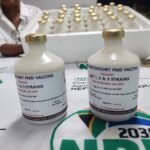
Vaccination efforts are being strengthened as part of the broader disease control programme. Vaccines are used to reduce the severity of infections and lower the risk of transmission within herds. Veterinary teams are working closely with farmers to ensure that high risk animals are prioritised for immunisation. This includes cattle in outbreak zones and surrounding buffer areas. Vaccination, combined with movement control, provides a dual approach that increases the chances of successfully managing the outbreak.
Support for affected farmers remains a key focus during the ongoing response. Many farmers face financial strain due to restrictions on livestock sales and disruptions in normal farming operations. Government and agricultural partners are working to provide guidance on biosecurity, herd management and recovery planning. This support helps farmers maintain operations while waiting for conditions to stabilise. The goal is to reduce long term economic damage and preserve the sustainability of livestock farming in affected regions.
The Foot and Mouth Disease response in Gauteng highlights the importance of coordinated action between government departments, veterinary professionals and the agricultural sector. Each group plays a critical role in monitoring outbreaks, enforcing controls and supporting recovery efforts. Continued vigilance is required to prevent further spread and to bring the outbreak under control. With 287 cases already recorded, the situation remains serious but manageable through sustained intervention. Strong cooperation and rapid response will remain essential in protecting livestock health and securing the province’s agricultural future.
Join 'Farmers Mag' WhatsApp Channel
Get the latest Farming news and tips delivered straight to your WhatsApp
CLICK HERE TO JOIN