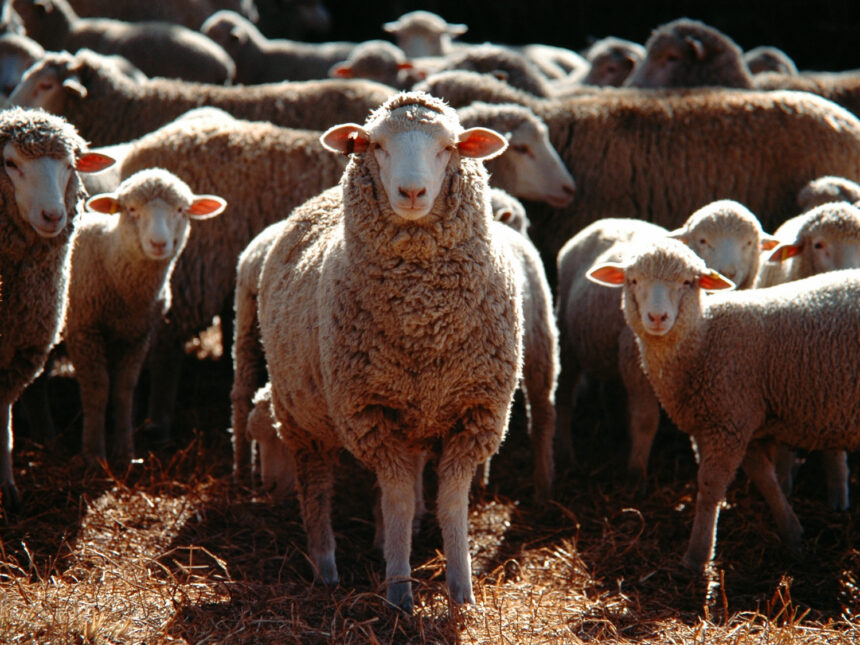
Sheep farming remains one of the most practical and profitable agricultural activities in South Africa, especially for farmers looking to enter livestock production with manageable risk and steady returns. The country’s diverse climate and vegetation allow for different sheep breeds to thrive across regions, from arid zones to high rainfall areas. Sheep provide multiple income streams through meat, wool and breeding stock, making them a flexible option for both small scale and commercial farmers. With proper planning and management, sheep farming can deliver consistent cash flow while supporting food security. Understanding the local environment, market demand and production systems is essential before starting or expanding a flock.
Choosing the right breed is one of the most important decisions you will make as a sheep farmer in South Africa. Popular meat breeds include the Dorper, known for its adaptability and fast growth, and the Meatmaster, which performs well in harsh conditions. Wool producers often prefer Merino sheep due to their high quality fleece and established market demand. Dual purpose breeds can also offer a balance between meat and wool production depending on your goals. You need to match the breed to your climate, grazing conditions and target market to avoid unnecessary losses. Breed selection directly affects feed efficiency, reproduction rates and overall profitability.
Land and grazing management play a critical role in the success of sheep farming. Sheep rely heavily on natural veld grazing, so you must assess carrying capacity before increasing flock size. Overstocking leads to land degradation and reduced productivity over time. Rotational grazing systems help maintain pasture quality and reduce parasite build up. Access to clean water is non negotiable, as sheep require regular hydration to maintain health and growth. Fencing is also essential to protect animals from predators and prevent losses, especially in rural areas where livestock theft can be a concern.
Nutrition and feeding strategies must be aligned with production goals and seasonal changes. While sheep can survive on natural grazing, supplementation is often required during dry seasons or drought periods. Providing mineral licks helps address nutrient deficiencies and supports growth and reproduction. Pregnant and lactating ewes require higher quality feed to ensure healthy lamb development. You should also plan for feed storage or alternative forage options to manage periods of low pasture availability. Consistent nutrition improves weight gain, wool quality and overall flock performance.
Health management is another key pillar of successful sheep farming in South Africa. Regular vaccination programmes protect against common diseases such as pulpy kidney and bluetongue. Parasite control through dosing and proper grazing management reduces the risk of internal and external infestations. You should work with a veterinarian to develop a health plan tailored to your region and flock size. Early detection of illness helps prevent large scale losses and reduces treatment costs. Maintaining clean handling facilities and monitoring animal condition are simple steps that improve long term productivity.
Reproduction and breeding management determine how quickly your flock grows and how profitable your operation becomes. Ewes should be bred at the right age and body condition to ensure high conception rates. Lambing seasons must be planned around feed availability to support both ewes and newborn lambs. Good record keeping allows you to track performance, identify high producing animals and make informed breeding decisions. Selecting strong rams with desirable traits improves the genetic quality of your flock over time. Efficient reproduction systems increase output without significantly raising costs.
Market access and financial planning are essential for turning sheep farming into a sustainable business. You need to identify buyers for meat, wool or breeding stock before scaling production. Local auctions, abattoirs and direct sales to consumers are common market channels in South Africa. Pricing can fluctuate based on demand, season and economic conditions, so timing your sales is important. Keeping accurate financial records helps you track expenses, measure profitability and plan for expansion. Understanding your cost structure allows you to make better decisions about feed, labour and investment.
Sheep farming in South Africa offers strong potential for both emerging and established farmers when managed correctly. Success depends on making informed decisions about breed selection, land use, nutrition and health management. Farmers who invest in proper planning and consistent monitoring are more likely to achieve stable production and income. The industry continues to play an important role in rural development and food supply across the country. With the right approach, sheep farming can become a reliable and scalable agricultural business that supports long term growth.
Join 'Farmers Mag' WhatsApp Channel
Get the latest Farming news and tips delivered straight to your WhatsApp
CLICK HERE TO JOIN