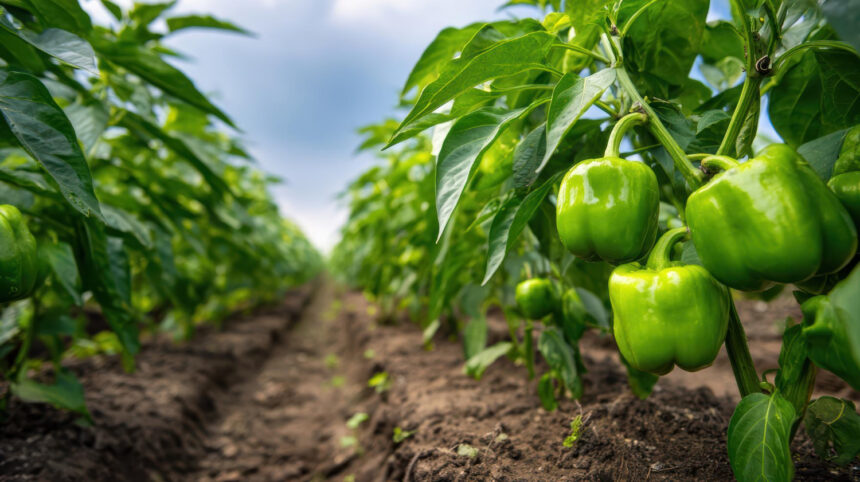
Growing green peppers in South Africa offers a strong opportunity for both home gardeners and small scale farmers who want consistent yields and market demand. Green peppers, also known as bell peppers, thrive in warm climates and can produce high returns when managed correctly. You can grow them in open fields, tunnels, or even containers depending on your space and resources. Success depends on proper soil preparation, correct planting times, and consistent care throughout the growing cycle. When you apply the right methods, you can achieve healthy plants with good fruit size and quality.
Start by choosing the right location and soil conditions for your green peppers. These plants need full sunlight for at least six to eight hours a day to grow well and produce quality fruit. The soil should be well drained, rich in organic matter, and slightly acidic to neutral, with a pH between 6.0 and 7.0. Before planting, you should mix compost or well rotted manure into the soil to improve fertility and structure. In South Africa, the best planting time is usually in spring after the last frost, as peppers are sensitive to cold temperatures. If you plant too early, low temperatures can slow growth and reduce yield.
Plant your green pepper seeds in trays or seedbeds before transplanting them into the field. Seeds should be planted about 0.5 cm deep and kept in a warm environment until they germinate, which usually takes 7 to 14 days. Once the seedlings reach about 10 to 15 cm in height and have strong leaves, you can transplant them into your prepared field or containers. Space the plants about 30 to 50 cm apart to allow proper airflow and reduce the risk of disease. Proper spacing also helps each plant access enough nutrients and sunlight for healthy development.
Water management plays a key role in growing green peppers successfully. You need to keep the soil consistently moist but not waterlogged, as too much water can cause root rot and disease. Drip irrigation works well because it delivers water directly to the roots and reduces water waste. During hot periods, you may need to water more frequently to prevent stress, which can lead to flower drop or poor fruit development. Mulching around the plants helps retain soil moisture, control weeds, and maintain stable soil temperature.
Fertilisation is essential if you want strong growth and high yields. Use a balanced fertiliser during the early stages to support leaf and root development. As the plants begin to flower and produce fruit, switch to a fertiliser higher in potassium to improve fruit size and quality. Regular feeding every two to three weeks can make a noticeable difference in plant performance. You should also monitor your plants for signs of nutrient deficiencies such as yellowing leaves or poor growth and adjust your feeding plan when needed.
Pest and disease control must be handled carefully to protect your crop. Common pests include aphids, whiteflies, and cutworms, which can damage leaves and reduce productivity. You can manage these pests through regular inspection, organic sprays, or approved pesticides when necessary. Diseases such as bacterial spot and powdery mildew can also affect green peppers, especially in humid conditions. Good airflow, proper spacing, and avoiding overhead watering can help reduce the risk of disease spreading.
Harvesting green peppers at the right time ensures the best quality and market value. You can start harvesting when the peppers reach full size and have a firm texture, even while still green. Regular harvesting encourages the plant to produce more fruit over time. Use a sharp knife or scissors to cut the peppers from the plant to avoid damaging the stems. Proper handling after harvest helps maintain freshness and extends shelf life, especially if you plan to sell your produce.
Growing green peppers in South Africa requires planning, consistency, and attention to detail at every stage of production. When you prepare your soil properly, manage water and nutrients effectively, and control pests early, you improve your chances of a successful harvest. The crop offers strong potential for income and food security when managed with care. By following these practical steps, you can build a reliable green pepper production system that delivers consistent results.
Join 'Farmers Mag' WhatsApp Channel
Get the latest Farming news and tips delivered straight to your WhatsApp
CLICK HERE TO JOIN