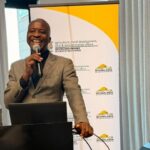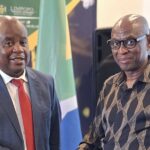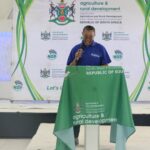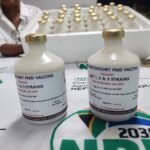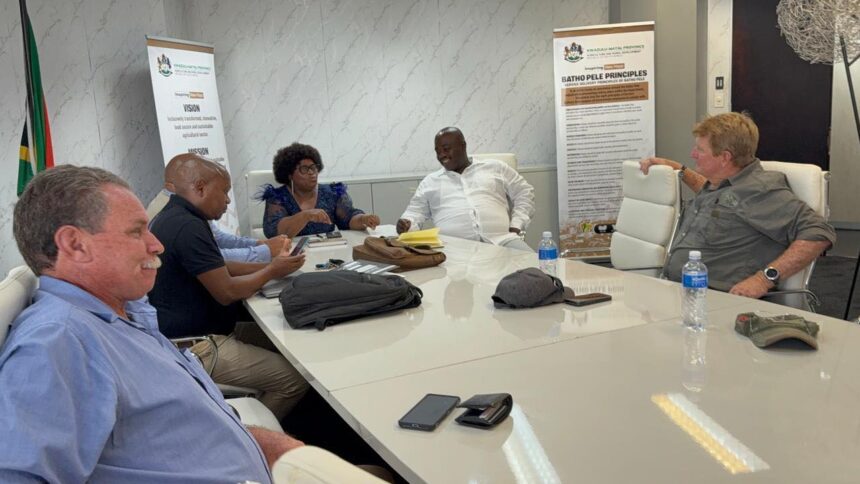
The KwaZulu-Natal Department of Agriculture and Rural Development is tightening coordination with key industry players as it works to manage livestock movement restrictions linked to animal disease control measures. The MEC for the department, Mrs. Thembeni kaMadlopha-Mthethwa, recently met with livestock auctioneers at the Durban Marine Building to build a collaborative working relationship focused on regulatory compliance. The meeting comes at a time when the province is balancing disease control efforts with pressure from the livestock trade sector. Auctioneers raised concerns about ongoing restrictions that limit animal sales and movement across provincial borders. The discussions highlighted the tension between protecting animal health and sustaining livelihoods in the agricultural economy.
A major point of discussion during the engagement was the private sector’s proposal to lift the Disaster Management Areas and reopen livestock auctions in KwaZulu-Natal. Auctioneers expressed concern that the current ban on livestock sales and related products has significantly affected their operations and income streams. They argued that restrictions on movement are limiting market access for farmers and disrupting normal trading activity. However, the MEC maintained that current regulations remain in force and must be followed to prevent further risks to the province’s livestock sector. She emphasized that animal movement controls are necessary until vaccination targets are achieved and herd immunity is established.
The MEC reiterated that the province cannot allow uncontrolled movement of livestock, especially unvaccinated animals entering from other provinces. She explained that KwaZulu-Natal must protect its existing cattle population, which is estimated at 2.5 million animals, through strict biosecurity measures. According to her, allowing unrestricted movement could undermine the progress already made through the ongoing vaccination programme. She also highlighted that partial vaccination coverage does not yet provide sufficient protection for full market reopening. Her position reflects a precautionary approach aimed at safeguarding long term agricultural stability.
During the meeting, Mrs. kaMadlopha-Mthethwa addressed concerns directly raised by auctioneers regarding their inability to sell and move livestock freely. She acknowledged the economic pressure faced by stakeholders in the livestock value chain but stressed that regulations remain necessary under the current animal health conditions. She stated that collaboration with the private sector is essential, but it must take place within the framework of existing laws and veterinary guidelines. Both parties agreed on the importance of continued dialogue and committed to engaging further with the National Minister to find a sustainable way forward. A proposal was also supported to draft a formal document containing provincial recommendations for submission to national authorities.
The province’s vaccination programme continues to play a central role in the broader disease control strategy. Since the start of the mass vaccination drive on February 26, 2026, more than 670,000 cattle from both commercial and communal farming systems have been vaccinated. Veterinary teams are currently intensifying efforts in the uMkhanyakude District to complete remaining vaccinations and close coverage gaps. Officials believe that achieving high vaccination rates is critical before any easing of movement restrictions can be considered. The programme is designed to reduce disease risk and create a stable environment for future livestock trade.
The ongoing situation reflects the complex balance between protecting animal health and maintaining economic activity in the agricultural sector. While auctioneers and livestock traders continue to push for the reopening of markets, government officials remain focused on disease containment and long term prevention. The engagement at the Durban Marine Building marks an important step in aligning government policy with industry concerns through structured communication. Both sides have agreed that progress will depend on vaccination success and coordinated decision making at provincial and national levels. The outcome of these discussions will play a key role in shaping the future of livestock trade in KwaZulu-Natal once herd immunity is achieved.
Join 'Farmers Mag' WhatsApp Channel
Get the latest Farming news and tips delivered straight to your WhatsApp
CLICK HERE TO JOIN