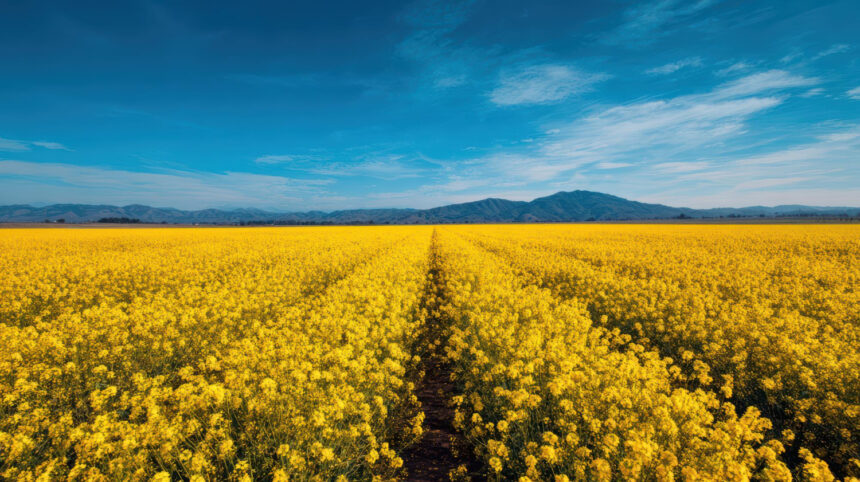
Canola farming in South Africa has grown into an important oilseed production opportunity for both commercial and emerging farmers. The crop is mainly grown in the Western Cape, where cool winter rainfall conditions support strong germination and steady growth. Canola is valued for its oil-rich seeds, which are processed into cooking oil, animal feed, and biofuel products. It also plays a key role in crop rotation systems, especially with wheat, because it helps improve soil health and break pest cycles. With proper management, canola can deliver stable yields and strong market returns.
Choosing the right location is the foundation of successful canola production. The crop performs best in regions with cool, wet winters and mild springs, which is why it is concentrated in the winter rainfall areas of South Africa. You need well drained soils with moderate fertility and a neutral to slightly acidic pH for optimal growth. Heavy clay soils can reduce germination and limit root development, while sandy soils may require more careful moisture management. Good soil preparation before planting helps ensure uniform emergence and strong early growth.
Selecting the correct variety is another important step in canola farming. Farmers in South Africa typically use certified hybrid varieties that are bred for higher yields, disease resistance, and adaptability to local conditions. You should choose varieties based on planting time, rainfall expectations, and disease pressure in your area. Early maturing varieties can help reduce exposure to late-season heat stress and moisture shortages. Using certified seed also improves germination rates and ensures better crop uniformity across the field.
Planting time plays a major role in determining yield outcomes. In South Africa, canola is usually planted during the autumn months, around April to May, depending on rainfall onset. Early planting allows the crop to take full advantage of winter moisture, which is critical for growth and flowering. Seeds should be planted at a shallow depth of about 1 to 2 cm to ensure good emergence. Proper spacing and correct seeding rates help avoid overcrowding, which can lead to weaker plants and lower yields. A well established stand is essential for achieving a uniform and productive crop.
Fertilisation and nutrient management are essential for strong canola development. Canola is a relatively heavy feeder and requires adequate nitrogen, phosphorus, and sulphur for optimal growth. Soil testing before planting helps determine the correct fertiliser program for your land. Nitrogen supports leaf and stem development, while sulphur plays a key role in oil formation and overall plant health. Applying fertiliser in split doses can improve efficiency and reduce nutrient loss during heavy rainfall periods. Balanced nutrition directly influences pod formation and seed quality.
Weed, pest, and disease control must be carefully managed throughout the growing season. Weeds compete strongly with young canola plants, especially during early establishment, so timely herbicide application is important. Common pests include aphids and diamondback moths, which can damage leaves and reduce yield potential if not controlled. Diseases such as sclerotinia stem rot and blackleg can also affect crop performance under wet conditions. Regular field scouting helps detect problems early and allows for timely intervention. Integrated pest management practices are widely recommended to reduce chemical dependency and protect long term soil health.
Harvesting is a critical stage that requires careful timing to reduce seed loss and maintain quality. Canola is usually ready for harvest when pods turn brown and seeds reach low moisture content. Delayed harvesting can lead to pod shattering, which results in significant yield loss. Many farmers use windrowing before combining to ensure more uniform drying and reduce harvest risk. After harvesting, proper storage conditions are necessary to maintain seed quality and prevent moisture damage. Clean, dry storage ensures better market value and longer shelf life.
Canola farming in South Africa offers strong potential when managed with proper planning and attention to detail. The crop fits well into rotational systems and provides both agronomic and economic benefits to farmers. Success depends on choosing suitable land, using quality seed, and applying correct agronomic practices throughout the season. With increasing demand for vegetable oils and sustainable crop systems, canola continues to be a valuable option for diversified farming. Farmers who invest in good management practices can achieve consistent yields and long term profitability in this growing industry.
Join 'Farmers Mag' WhatsApp Channel
Get the latest Farming news and tips delivered straight to your WhatsApp
CLICK HERE TO JOIN