Conservation work in South Africa depends on cooperation between conservation organisations and the people who own and manage land. Private farmers and communal landowners play a central role in protecting natural ecosystems because they control large areas of grazing land and farmland. Instead of separating conservation from agriculture, modern approaches combine both into a shared system. This allows land to stay productive while also protecting soil, water, and biodiversity. Many conservation programmes now focus on practical solutions that fit real farming conditions. The goal is to keep land healthy while still supporting food production and rural livelihoods. This approach makes conservation more realistic and more widely accepted.
Private landowners often manage large portions of natural habitat, so their participation is critical for long term environmental protection. Conservation organisations work with these landowners to improve grazing practices, restore degraded land, and protect rivers and wetlands. Farmers are encouraged to use controlled grazing systems that prevent overuse of land and allow vegetation to recover. This improves soil quality and reduces erosion over time. Many programmes also support wildlife-friendly farming, where natural corridors are left open for animal movement. These methods help maintain ecological balance without stopping agricultural activity. Farmers benefit because healthier land produces better long term yields.
Communal landowners also play an important role in conservation efforts across South Africa. In many rural areas, land is shared by communities that depend on both livestock and subsistence farming. Conservation organisations work with these communities to introduce sustainable grazing plans and water management systems. Training and support help communities understand how to prevent overgrazing and protect sensitive areas. When land is managed properly, it supports both agriculture and biodiversity at the same time. These partnerships also help reduce land degradation, which is a major challenge in some regions. Strong community involvement ensures that conservation goals are practical and long lasting.
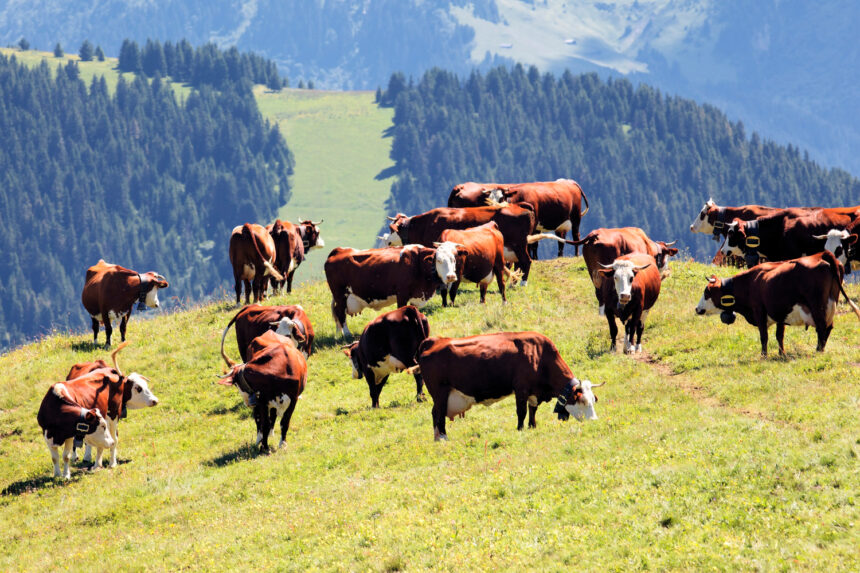
Sustainable grazing is one of the most important areas where conservation and farming meet. Poor grazing practices can lead to soil erosion, reduced grass cover, and lower productivity. Conservation programmes encourage rotational grazing, where livestock are moved between different areas to allow land recovery. This method improves pasture quality and supports healthier livestock. It also reduces pressure on natural ecosystems and helps maintain water retention in the soil. Farmers who adopt these systems often see improved long term productivity. This shows that conservation can directly benefit agricultural output.
Water protection is another key focus of conservation partnerships with landowners. Rivers, wetlands, and groundwater sources are essential for both farming and ecosystems. Conservation organisations help farmers fence off sensitive water areas to prevent damage from livestock. They also promote soil conservation practices that reduce runoff and pollution. Healthy water systems improve crop production and support livestock health. In many cases, small changes in land use lead to major improvements in water quality. These efforts ensure that both farming and nature can rely on stable water resources.
The relationship between conservation and agriculture is built on cooperation rather than restriction. Farmers are not removed from the land or forced to stop production. Instead, they are supported to manage land in ways that protect natural systems while still generating income. This balance is important for food security and environmental stability in South Africa. When conservation and farming work together, land becomes more productive and more resilient. This approach ensures that natural heritage is protected while rural communities continue to thrive. It proves that sustainable land use is possible when all stakeholders work together.
Join 'Farmers Mag' WhatsApp Channel
Get the latest Farming news and tips delivered straight to your WhatsApp
CLICK HERE TO JOIN