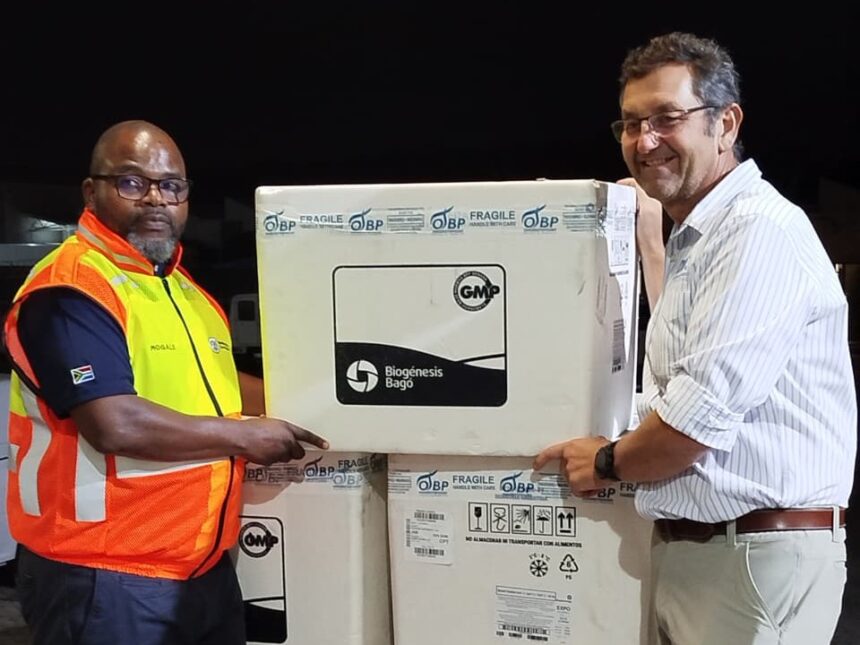
The livestock sector in South Africa continues to face ongoing pressure from foot-and-mouth disease, making vaccination efforts a critical part of protecting agricultural productivity and rural livelihoods. A recent delivery of 50,000 additional vaccine doses to the Western Cape has strengthened the province’s response and reinforced efforts to contain the spread of the disease. This development supports broader national strategies aimed at safeguarding livestock, protecting agricultural jobs, and maintaining stability in the food supply chain. The announcement reflects growing coordination between government, veterinary services, and agricultural stakeholders. It also highlights the importance of rapid vaccine deployment in controlling outbreaks. The Western Cape’s response remains a key part of the country’s wider animal health strategy.
The arrival of 50,000 vaccine doses in the Western Cape adds significant momentum to ongoing disease control efforts in South Africa. Foot-and-mouth disease poses a serious risk to cattle and other livestock, affecting production, movement, and trade. Vaccination is one of the most effective tools available to reduce transmission and protect herds. By increasing vaccine availability, authorities can reach more farms in a shorter period of time. This helps reduce the risk of new outbreaks and limits the spread in high-risk areas. It also ensures that farmers have access to essential disease prevention resources when they need them most. Timely intervention remains central to controlling livestock diseases effectively.
The Western Cape plays an important role in the agricultural economy of South Africa, with strong livestock, dairy, and export-oriented farming systems. Maintaining animal health in this region is essential for both local supply chains and international trade. The additional vaccine doses support farmers who rely on stable herd health to sustain production and income. Without effective disease control, outbreaks can disrupt operations and lead to financial losses. Vaccination campaigns help maintain confidence in the agricultural sector and support continued market access. They also reduce pressure on farmers who face rising input costs and environmental challenges. Strong animal health systems contribute directly to rural economic stability.
Foot-and-mouth disease control depends heavily on coordinated logistics, especially when distributing vaccines across large and diverse farming regions. Cold chain management is essential to ensure that vaccines remain effective from storage to administration. Any break in temperature control can reduce vaccine performance and limit protection. The increased supply of doses allows veterinary teams to expand coverage and reach more remote farming communities. This improves efficiency and reduces delays in vaccination schedules. It also strengthens the overall response capacity of animal health services in the province. Reliable logistics play a key role in ensuring successful vaccination outcomes.
The delivery of additional vaccine doses also reflects strong collaboration between government and agricultural partners in South Africa. Premier Alan Winde’s acknowledgment of the teams involved highlights the importance of coordinated effort in managing animal health risks. Veterinary services, provincial authorities, and farming organisations all contribute to the success of vaccination campaigns. This teamwork ensures that vaccines are distributed quickly and administered effectively. It also improves communication between stakeholders during outbreak responses. Strong partnerships help ensure that resources are used efficiently and reach the areas that need them most. Collaboration remains a key factor in effective disease control strategies.
Livestock farmers depend on consistent disease management to protect their herds and maintain productivity. Foot-and-mouth disease can lead to reduced milk production, weight loss in animals, and restrictions on livestock movement. These effects have a direct impact on farm income and the wider agricultural value chain. Vaccination helps reduce these risks by building immunity within herds and slowing disease transmission. The additional 50,000 doses contribute to improving herd protection across affected areas. This support is especially important for farmers operating under financial pressure. It also helps maintain stability in both local and export markets.
The economic impact of foot-and-mouth disease extends beyond individual farms and affects entire rural economies in South Africa. When outbreaks occur, they disrupt trade, processing, transport, and retail supply chains. This creates broader economic challenges that can affect employment and food security. Vaccination campaigns help reduce these risks by limiting the spread of the disease. They also support long term confidence in the agricultural sector. By strengthening disease prevention systems, authorities help protect both production and livelihoods. This makes vaccination a critical investment in national agricultural resilience.
The arrival of 50,000 additional foot-and-mouth vaccine doses in the Western Cape marks an important step forward in protecting livestock and strengthening agricultural stability in South Africa. The increased vaccine supply supports faster and wider coverage, helping farmers protect their herds and maintain productivity. It also reinforces the importance of coordinated action between government, veterinary teams, and agricultural stakeholders. Effective vaccination campaigns reduce the spread of disease, safeguard rural economies, and support food security. The continued focus on animal health highlights the need for strong and responsive systems in agriculture. This development demonstrates how timely intervention and collaboration can protect both livestock and the wider economy.
Join 'Farmers Mag' WhatsApp Channel
Get the latest Farming news and tips delivered straight to your WhatsApp
CLICK HERE TO JOIN