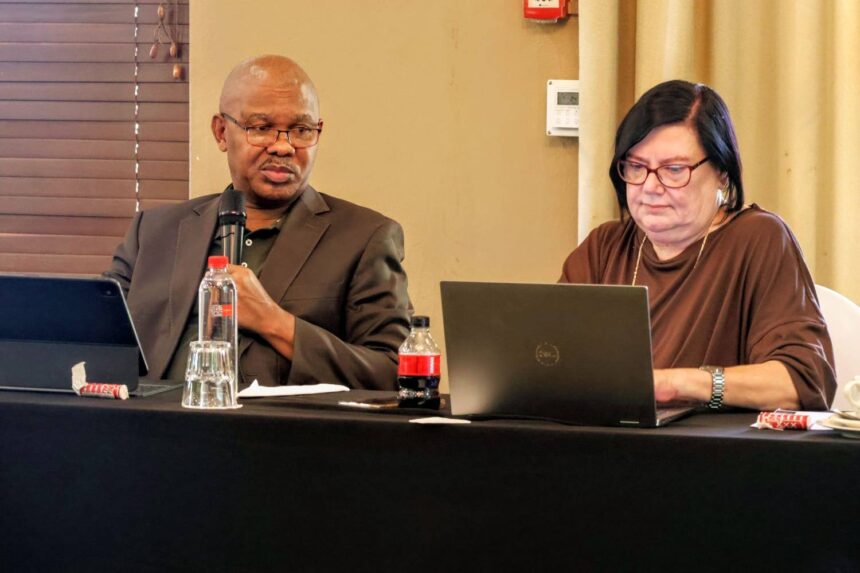
The Free State government has introduced a structural change that will affect how farmers interact with both agricultural and environmental authorities. Elzabe Rockman has officially welcomed officials from Environmental Affairs, Conservation and Reserves into the Department of Agriculture and Rural Development. This shift is not only administrative, it changes how land, water, and conservation issues are handled across the province. Farmers often deal with multiple departments for permits and compliance, and this move aims to simplify that process. It signals a more practical approach to managing farming activities alongside environmental responsibilities.
The transfer of Environmental Affairs functions took effect on 01 April 2026, moving from the Department of Economic, Small Business Development, Tourism and Environmental Affairs to the Department of Agriculture and Rural Development. This decision followed the 2024 elections and was formalized through publication in the Government Gazette. The change places environmental regulation, conservation management, and agricultural development under one authority. For farmers, this means fewer separate channels when applying for permits or addressing compliance issues. It creates a single point of contact for matters that were previously split across departments.
This integration is expected to improve efficiency in areas that directly affect farming operations. Farmers who need approvals for land use changes, irrigation systems, or conservation compliance may see reduced delays over time. Aligning environmental and agricultural policies also helps ensure that farming practices remain sustainable without unnecessary administrative burden. It allows government officials to assess farming activities with a full view of both productivity and environmental impact. This can lead to more balanced decisions that support both farm output and long term land health.
The department will now operate under a new name, the Free State Department of Agriculture, Rural Development and Environmental Affairs. This change reflects its broader role and combined responsibilities. The new identity, known as DARDEA, will be introduced through stakeholder engagement and awareness campaigns. Farmers, agribusinesses, and rural communities will be part of this process. These engagements will give farmers a chance to raise concerns, ask questions, and understand how new systems will work. Staying informed during this phase will help farmers adjust quickly and avoid disruptions.
Farmers should take practical steps as the transition unfolds. Update any official documents to reflect the new department name where required. Monitor announcements for changes in application procedures, compliance requirements, or support programs. Attend stakeholder meetings to stay informed and to ensure your needs are heard. Expect some short term adjustments as systems and processes are aligned, but also prepare for longer term benefits such as clearer communication and faster service delivery.
This restructuring creates a more direct link between farming and environmental management in the Free State. It reduces fragmentation and improves coordination across key areas that affect daily farm operations. Under the leadership of MEC Elzabe Rockman, the department is positioning itself to support both productivity and sustainability. Farmers who engage early and adapt to the new system will be better placed to benefit from improved services. The success of this change will depend on how well it delivers real results on the ground, especially for those who rely on efficient and practical government support.
Join 'Farmers Mag' WhatsApp Channel
Get the latest Farming news and tips delivered straight to your WhatsApp
CLICK HERE TO JOIN