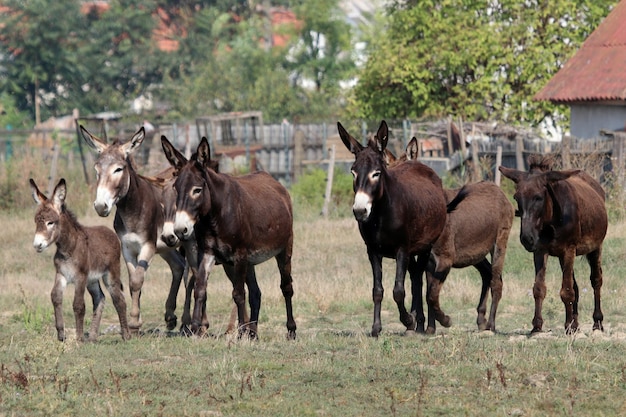
Donkeys remain a key part of farming systems across South Africa, especially in rural and small scale settings. These animals continue to support daily agricultural work where access to machinery is limited or costly. Many farmers depend on donkeys for their strength, endurance and ability to adapt to harsh environments. They handle difficult terrain with ease and require fewer resources than most modern equipment. This makes them a practical option for farmers who need reliable support without high expenses. At the same time, their value depends on proper care and responsible use. Understanding both their role and their needs helps you get the best results while protecting their wellbeing.
Donkeys support a wide range of farm activities that keep operations running smoothly. They are often used for ploughing fields, pulling carts and transporting goods such as crops, water and firewood. In areas with poor road access, they move easily where vehicles struggle to operate. This allows farmers to transport materials over long distances without relying on fuel or expensive machinery. Many smallholder farmers depend on donkeys to move inputs and harvests efficiently. They also help with daily water collection, which remains a challenge in dry regions. Their ability to perform multiple tasks makes them a valuable asset on any farm.
In addition to physical labour, donkeys help farmers manage costs and protect natural resources. Their use reduces the need for tractors, which lowers fuel and maintenance expenses. Their hooves are gentler on the soil, which helps maintain soil structure and limits compaction. This is important for farmers who want to preserve soil health and improve crop yields over time. Donkeys also feed mainly on natural grazing and crop residues, which keeps feeding costs low. Their long lifespan means they can provide years of consistent service if cared for properly. These benefits make them a sustainable and cost effective choice for many farming systems.
Donkeys also play a role in protecting livestock and improving farm management. Some farmers use them as guard animals for sheep and goats because they are alert and naturally defensive. Their presence can discourage predators and reduce livestock losses. While they are not a complete solution, they add an extra level of security when combined with other methods. Donkeys also have a calm and steady nature, which supports better handling of other animals. This can help reduce stress within the farm environment. Their contribution goes beyond labour and supports overall farm stability.
Proper care is essential if you want donkeys to remain healthy and productive. You need to provide a consistent diet that includes grazing, clean water and additional feed when necessary. Even though donkeys are hardy, they still require balanced nutrition to maintain their strength. Shelter is important to protect them from heat, rain and cold conditions. Simple structures can provide enough protection if they are well built and maintained. Regular hoof trimming is necessary to prevent pain and mobility problems. Routine health care, including vaccinations and parasite control, helps prevent disease and keeps them fit for work.
You should also manage their workload carefully to avoid injury and exhaustion. Do not overload them or expect them to work beyond their physical limits. Match the work to the donkey’s size, age and condition. Allow time for rest, especially during hot weather or after heavy tasks. Donkeys are social animals and do better when kept with others rather than alone. Social interaction helps reduce stress and improves their behaviour. Gentle handling and consistent training make them easier to manage and more responsive. When treated with care, they work more effectively and remain reliable over time.
Donkeys also hold strong cultural value in many South African communities. They have supported farming for generations and remain part of everyday life in rural areas. Knowledge about their care and use is often passed down through families. This connection reflects both tradition and practical need. Their continued presence shows how well they fit into local farming systems. Respecting their role includes ensuring they are treated humanely and responsibly. Their cultural importance adds another reason to protect their welfare.
Donkeys continue to play an important role in South African agriculture by providing dependable labour and supporting sustainable farming practices. They help reduce costs, improve efficiency and allow farmers to operate in challenging environments. Their value depends on proper care, including good nutrition, shelter and responsible workload management. When you take care of your donkeys, you improve their performance and extend their working life. They are not just working animals but long term assets that require attention and respect. Their contribution to farming remains significant and continues to support many livelihoods. With the right approach, donkeys will remain a reliable part of South African farms for years to come.
Join 'Farmers Mag' WhatsApp Channel
Get the latest Farming news and tips delivered straight to your WhatsApp
CLICK HERE TO JOIN