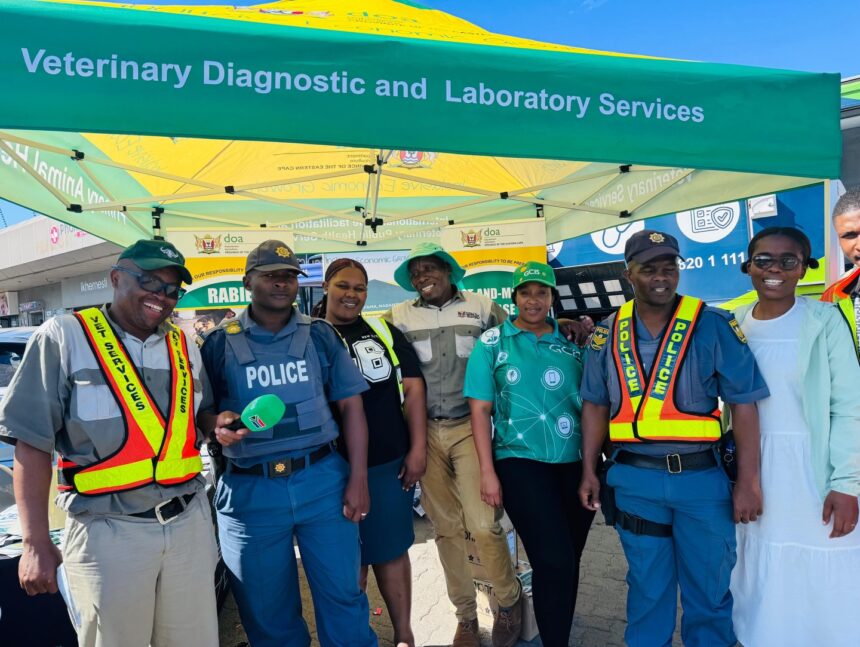
South African government departments stepped up public education efforts on animal health during Freedom Month with a focused awareness campaign on Foot-and-Mouth Disease at the Qonce Taxi Rank on 10 April. The initiative was led by the Government Communication and Information Services as part of a broader activation programme aimed at improving community access to essential information. The campaign targeted communal farmers and livestock owners who rely heavily on healthy herds for their livelihoods. Officials used the busy taxi rank environment to reach large numbers of people in a short time. The focus was on practical education about disease prevention, early detection and reporting procedures. Government teams also used the opportunity to strengthen trust between rural communities and veterinary services. The engagement highlighted the importance of coordinated communication in managing animal health risks.
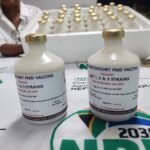
The Department of Agriculture played a central role in the activation by providing technical expertise and detailed guidance on Foot-and-Mouth Disease. Officials distributed pamphlets and explained key symptoms of the disease in livestock, including excessive salivation, lameness and lesions in the mouth and hooves. They also provided information on how the disease spreads and the importance of controlling animal movement during outbreaks. Farmers were advised on reporting procedures and where to seek immediate assistance if they suspect infection. The department also shared information about available government support programmes for affected farmers. This included veterinary services and emergency response mechanisms designed to contain outbreaks quickly. The aim was to ensure that farmers understand both the risks and the support systems available to them.
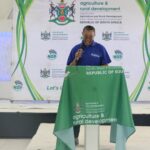
A key contributor to the engagement was Dr Mpumelelo Zondi, Deputy Director for Export and Veterinary Public Health, who directly engaged with members of the public. He answered questions about animal diseases and provided clarity on Foot-and-Mouth Disease symptoms and control measures. Dr Zondi also explained regulations around the movement of cloven hoofed animals during outbreaks, which is critical for preventing further spread. His presence helped bridge the gap between technical veterinary knowledge and everyday farming practices. Community members were encouraged to take responsibility for monitoring their animals and reporting suspicious cases early. He also emphasised that awareness at community level is essential for effective disease control. His engagement reinforced the importance of communication between government and rural livestock owners.
The Department of Agriculture was represented by Veterinary Services, Corporate Communication Services and Customer Care teams, ensuring a comprehensive outreach approach. These teams worked together to provide both technical information and accessible guidance tailored to community needs. A coordinated structure allowed officials to respond quickly to questions and distribute relevant materials efficiently. The presence of multiple departmental units ensured that the campaign covered both animal health education and service delivery information. Officials also assisted residents with understanding how to access government support channels. This hands on approach helped improve engagement and made the campaign more interactive. It also strengthened visibility of government services at local level.
Additional coordination support was provided by municipal representatives working under Buffalo City Municipality structures, including coordination efforts across Qonce and surrounding areas. Officials worked directly on the ground, engaging with commuters, taxi operators and local farmers. This direct interaction helped ensure that messages about Foot-and-Mouth Disease reached people who are often difficult to access through traditional communication channels. The campaign also encouraged community members to share information within their households and farming networks. This peer to peer communication strategy was seen as important for expanding awareness beyond the event itself. The involvement of multiple municipal and national stakeholders demonstrated a unified approach to public health communication. It also highlighted the importance of integrating local government structures into national awareness campaigns.
Key external stakeholders also participated in the activation, contributing to a well coordinated public service effort. The Electoral Commission of South Africa, the South African Police Service, the Road Accident Fund and the National Prosecuting Authority were all present. Their participation added broader civic education elements to the campaign, while reinforcing government visibility in public spaces. Each stakeholder contributed by engaging with the public on their respective services and responsibilities. The presence of law enforcement and justice sector representatives also supported a sense of order and public trust during the activation. This multi agency approach helped create a comprehensive outreach environment. It ensured that the campaign addressed both agricultural and civic awareness needs in one platform.
The campaign highlighted the importance of early detection and prevention in managing Foot-and-Mouth Disease outbreaks in South Africa. Officials stressed that farmers play a critical role in reporting symptoms and preventing animal movement that could spread infection. They also reinforced the need for compliance with veterinary regulations during outbreak periods. By combining education with direct engagement, the campaign aimed to reduce misinformation and improve response times in affected communities. Government departments emphasised that protecting livestock health is essential for food security and rural economic stability. The activation demonstrated how coordinated communication can strengthen disease control efforts. It also showed the value of meeting communities in accessible public spaces.
The Freedom Month activation at Qonce Taxi Rank reflected a broader commitment by government to bring services closer to the people. Through collaboration between communication units, veterinary experts and public service agencies, the campaign delivered practical information where it was most needed. Farmers and community members received clear guidance on Foot-and-Mouth Disease and available support systems. The initiative also strengthened cooperation between government and stakeholders at multiple levels. By combining education, outreach and service delivery, the campaign supported both animal health and community awareness. It reinforced the importance of informed farming practices in protecting livelihoods. This engagement sets a strong example of how targeted public education can support national agricultural resilience.
Join 'Farmers Mag' WhatsApp Channel
Get the latest Farming news and tips delivered straight to your WhatsApp
CLICK HERE TO JOIN