The KwaZulu-Natal Department of Agriculture and Rural Development has intensified efforts to modernise livestock management through a large scale eartagging and vaccination programme for cloven hoofed animals. MEC Mrs Thembeni kaMadlopha-Mthethwa has described the initiative as a major breakthrough for the province’s livestock sector, saying it directly responds to long standing challenges affecting farmers. These include livestock theft, corridor diseases linked to wildlife areas and weak animal identification systems. The programme combines veterinary services, digital traceability and on the ground farmer engagement. It is designed to strengthen both animal health and ownership verification across rural farming communities. Officials believe the intervention will improve productivity and reduce losses in vulnerable farming regions. The rollout is already showing strong participation from farmers across multiple districts.
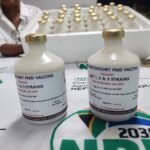
The programme uses veterinary led teams who vaccinate cattle while simultaneously fitting them with identifiable eartags. These tags carry information that shows the vaccination status of each animal and links it to its registered owner. This system supports the Livestock Identification and Traceability System, which is becoming a central tool in managing livestock movement and disease control. Farmers benefit from clearer proof of ownership, which helps reduce disputes and improves accountability in the sector. The system also helps authorities track animal movement more effectively during disease outbreaks. In areas close to wildlife reserves, it plays a key role in monitoring and managing corridor diseases that can spread between wild and domestic animals. This combination of vaccination and identification creates a more controlled and secure livestock environment.
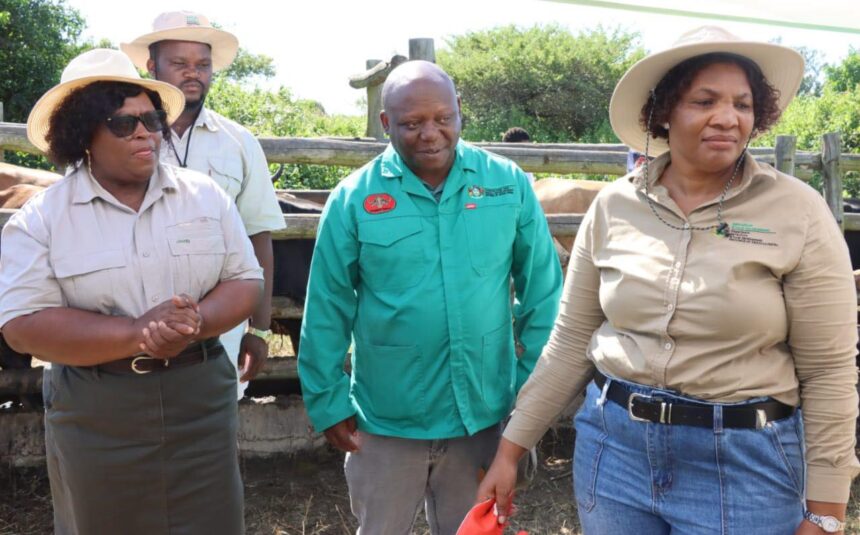
At the Mpempe Diptank in Mnqobokazi, Hluhluwe, the MEC observed the programme in action and confirmed significant progress. Around 1400 cattle were vaccinated at this single site, reflecting strong operational capacity from the deployed teams. On a broader scale, within a single day, areas under the Inkosi Mtubatuba and Big 5 Hlabisa municipalities recorded a total of 14 412 animals vaccinated and eartagged. These figures demonstrate the scale and speed of the rollout across the region. The department has set a target of 55 000 cattle for vaccination within these local municipalities. This ambitious target reflects the urgency of improving livestock health and traceability in high risk areas. Officials say the programme is progressing steadily toward full coverage.
MEC kaMadlopha-Mthethwa actively joined twenty vaccination teams during the rollout in Big 5 Hlabisa and Inkosi Mtubatuba municipalities. Her participation allowed her to engage directly with field teams and assess operational challenges on the ground. The programme is part of a broader provincial strategy to improve veterinary outreach in rural communities. Vaccination efforts have already been completed in uMhlabuyalingana, Jozini, uGu District and Harry Gwala District. These completed phases provide a foundation for expanding the programme into remaining districts. The structured rollout ensures that resources are deployed efficiently across high priority areas. It also allows the department to monitor progress and adjust operations where needed.
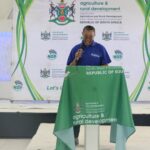
During her visit to Mpempe Diptank, the MEC engaged directly with local livestock farmers to understand their experiences and concerns. Farmers raised issues related to livestock theft, disease control and access to veterinary services. These interactions helped officials identify areas where further support is needed. The MEC used the opportunity to provide clarity on how the eartagging system addresses these challenges. She explained that improved identification will make it harder for stolen animals to be sold or moved unnoticed. Farmers also received reassurance that disease monitoring will improve through better tracking systems. This direct engagement strengthened trust between government and rural communities.
Addressing farmers, MEC kaMadlopha-Mthethwa emphasised that eartagging will play a critical role in reducing stock theft and controlling corridor diseases in areas near wildlife reserves. Mnqobokazi in Hluhluwe has experienced ongoing challenges due to its proximity to game reserves, where interaction between wildlife and livestock increases disease risks. The tagging system helps distinguish animals and track their movement patterns more effectively. It also supports quicker response during disease outbreaks by providing accurate location and ownership data. Farmers were encouraged to cooperate fully with veterinary teams to ensure complete coverage. The MEC highlighted that success depends on collective participation from both government and communities. This approach strengthens long term disease prevention and livestock protection.
The Livestock Identification and Traceability System received strong support from the MEC, who described it as a game changing innovation for the agricultural sector. She explained that the system helps confirm cattle ownership, identify districts of origin and manage livestock movement more efficiently. In areas near wildlife reserves, animals are marked with green tags to indicate higher risk zones, while others receive yellow tags for standard classification. This colour coded system improves monitoring and simplifies identification for veterinary officials and farmers. It also reduces confusion during inspections and market transactions. By improving transparency, the system helps build trust in livestock trade networks. It represents a significant step forward in modernising rural agriculture.
The vaccination and eartagging teams are expected to complete their work in the current district by 16 April 2026. After this phase, operations will move to the Zululand District on 20 April 2026. This structured timeline ensures that all targeted areas are covered systematically without leaving gaps in coverage. The department has prioritised efficiency while maintaining high standards of animal health care. Each phase builds on the progress of the previous one, creating a continuous improvement cycle. Farmers are encouraged to prepare their livestock in advance to support smooth operations. The rollout schedule also allows for better coordination of resources and personnel.
The eartagging and vaccination programme in KwaZulu-Natal represents a major advancement in livestock management and rural development. By combining disease control with digital identification systems, the province is addressing long standing challenges in agriculture. Farmers benefit from improved animal health, reduced theft and stronger market confidence in livestock transactions. Government gains better control over disease outbreaks and livestock movement patterns. The initiative also strengthens cooperation between veterinary services and rural communities. As the programme expands across districts, it is expected to transform livestock farming practices in the province. This integrated approach positions KwaZulu-Natal as a leader in modern agricultural management and rural innovation.
Join 'Farmers Mag' WhatsApp Channel
Get the latest Farming news and tips delivered straight to your WhatsApp
CLICK HERE TO JOIN