Agriculture in the Southern African Development Community (SADC) offers major growth potential for South African farmers who want to expand beyond local markets. The region includes multiple countries with varying climates, resources and agricultural needs, which creates diverse opportunities for trade and production. Many farmers in South Africa already operate at a commercial level, giving them an advantage when entering regional markets. Demand for food products continues to rise across SADC due to population growth and urbanisation. This creates steady opportunities for both crop and livestock producers. Cross border trade also helps farmers reduce reliance on a single market. Understanding how the region works helps you identify where and how to grow your farming business.
The SADC region includes countries such as Botswana, Namibia, Zambia, Zimbabwe, Mozambique and others, each with different agricultural conditions. Some areas have strong livestock farming systems, while others focus more on crops such as maize, sugarcane and horticultural produce. South African farmers can supply products that are in short supply in neighbouring countries, especially processed foods and high yield commercial crops. Infrastructure differences between countries also create opportunities for logistics and storage solutions. Farmers who understand seasonal demand patterns can plan production more effectively. Climate variation across the region also allows for complementary production cycles. This helps reduce risk and increase market stability for exporters.
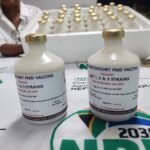
Livestock farming presents one of the strongest opportunities for expansion within the SADC. Countries in the region often experience shortages in beef, poultry and dairy products, which South African producers can help supply. South Africa has advanced breeding systems, veterinary services and feed production compared to many neighbouring countries. This gives local farmers a competitive advantage in both quality and scale. Export opportunities exist for live animals, meat products and processed goods. Disease control standards and certification processes must be followed carefully to access these markets. Farmers who invest in biosecurity and compliance increase their chances of long term success in regional trade.
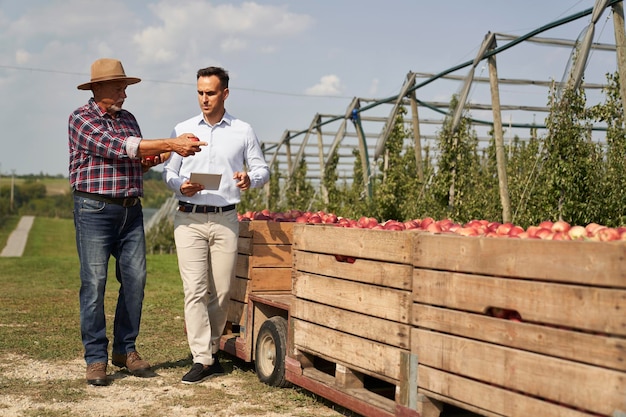
Crop farming also offers significant opportunities, especially for staple foods and high demand vegetables. Maize remains a key crop across the region and is often traded between countries depending on seasonal shortages. Horticultural products such as onions, potatoes, tomatoes and citrus fruits also perform well in cross border markets. South African farmers benefit from advanced irrigation systems and production technology that can increase yields. This allows them to supply consistent volumes even during dry seasons. Storage and transport infrastructure play a key role in maintaining product quality during export. Farmers who invest in cold chain systems can access higher value markets across the region.
Trade within the SADC is supported by agreements that aim to reduce tariffs and improve market access. These agreements make it easier for farmers to export goods across borders, although challenges still exist. Border delays, regulatory differences and transport costs can affect profitability. Farmers need to understand documentation requirements, phytosanitary rules and customs procedures before entering new markets. Working with export agencies and cooperatives can help simplify these processes. Access to market information is also important for making informed decisions. Farmers who stay updated on regional demand trends are better positioned to compete.
Financing and investment opportunities are also expanding within the SADC agricultural space. Development banks and private investors are increasingly supporting cross border agricultural projects. These include irrigation schemes, agro processing plants and logistics networks. South African farmers who partner with regional stakeholders can access funding and shared infrastructure. This reduces individual risk and improves production efficiency. Technology adoption, such as precision farming and digital market platforms, is also improving access to regional buyers. These tools help farmers scale operations and respond quickly to market changes.
Despite the opportunities, farmers must also consider risks such as currency fluctuations, political instability and climate variability. These factors can affect export prices and supply chain reliability. Diversifying markets within the SADC helps reduce dependence on a single country. Building strong relationships with buyers and distributors is also important for long term stability. Insurance products and risk management strategies can help protect investments. Farmers who plan carefully and adapt to changing conditions are more likely to succeed. Preparation and flexibility are key to managing regional expansion.
Agricultural opportunities in the SADC region provide South African farmers with a pathway to growth, diversification and increased profitability. The combination of strong local production capacity and regional demand creates a favourable environment for expansion. Farmers who understand market dynamics, trade regulations and production requirements can benefit significantly from cross border trade. Livestock and crop farming both offer strong potential depending on the target market. While challenges exist, they can be managed through planning, partnerships and investment in infrastructure. The region continues to evolve, creating new opportunities for those ready to engage with it. With the right strategy, South African farmers can build strong and sustainable agricultural businesses across the SADC.
Join 'Farmers Mag' WhatsApp Channel
Get the latest Farming news and tips delivered straight to your WhatsApp
CLICK HERE TO JOIN