Foot-and-mouth disease in South Africa is at a critical juncture, requiring urgent and coordinated action to protect livestock and restore disease-free zones. Research shows that recovered animals sent for slaughter no longer require full disposal of the head, tongue, or feet, as specified risk materials can be safely removed on the slaughter line. This targeted approach, guided by data on SAT2 virus types, significantly reduces disease risk compared with past policies that treated recovered animals the same as carriers. Ongoing testing of head and feet samples remains essential to confirm that infectious virus is absent. Disease mitigation measures currently in place, including controlled slaughter procedures, have proven effective in removing risk from processed animals. Authorities emphasize that careful observation and sampling of animals on the ground are critical to prevent future outbreaks.
Historical data highlight the fragile state of FMD control in southern Africa. Between the early 2000s and 2010, a combination of biocontrol and vaccination maintained zonal FMD-free status. Introducing vaccination and producing locally matched vaccines initially reduced outbreaks, but the cessation of local vaccine production in 2006 led to a dramatic surge in cases. By 2025, the disease had spread across all nine provinces, with SAT viruses affecting both cattle and pigs. Pigs, in particular, act as high-amplification hosts, producing far more virus than cattle and accelerating transmission. Past outbreaks have shown that early detection, rapid response, and strict biosecurity are essential to contain FMD before it escalates. Countries like Germany have demonstrated that decisive action in the early stages prevents widespread infection and preserves disease-free status.
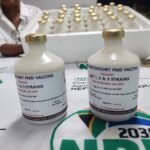
Vaccination remains the cornerstone of South Africa’s recovery strategy. Millions of doses are required to protect the nation’s 24 million cattle and to prevent reverse spillover into FMD-free wildlife populations, especially buffalo. Expanded laboratory capacity is necessary to monitor post-vaccination responses, as current facilities are overwhelmed by the volume of samples. Regional cooperation is also critical, with cross-border vaccine stock management helping to protect neighboring countries and prevent transboundary spread. Lessons from historical outbreaks show that early containment, rapid vaccination, and coordinated surveillance are far more effective than reactive measures applied after the disease has spread.
The fifth-quarter research project has set a new benchmark for FMD studies in South Africa. Thousands of animals were sampled, hundreds of positive samples sequenced, and hundreds of PCR tests conducted within months. Public-private partnerships proved essential, combining government oversight, academic expertise, and private sector involvement to ensure rapid and accurate data collection. Veterinarians with expertise in anatomy and sample collection, along with innovative sample processing methods, allowed efficient handling of large volumes of samples without disrupting slaughter operations. This comprehensive research informs updated slaughter regulations, disease monitoring, and vaccination strategies specific to local virus strains.
Moving forward, South Africa must focus on vaccination, enhanced laboratory capacity, and effective cross-border coordination to regain FMD-free zones. Farmers, authorities, and veterinarians must work together to observe, sample, and report cases promptly. The lessons from local and international outbreaks make it clear that early detection, rapid response, and decisive action are essential to preventing widespread transmission. Science-driven policies, supported by strong collaboration between public and private sectors, provide the best path to controlling FMD. By combining targeted vaccination, rigorous biosecurity, and expert-led monitoring, South Africa can restore livestock health, protect wildlife, and safeguard its livestock industry from future outbreaks.
Join 'Farmers Mag' WhatsApp Channel
Get the latest Farming news and tips delivered straight to your WhatsApp
CLICK HERE TO JOIN