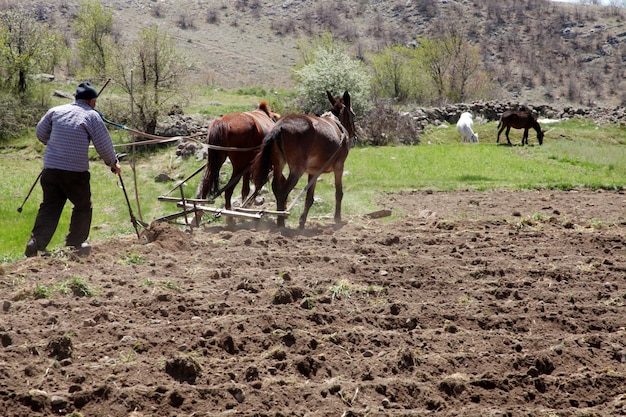
South Africa’s agricultural sector faces rising costs, climate variability, and pressures to adopt sustainable practices, prompting farmers to explore traditional farming methods. One such approach gaining renewed attention is animal traction, which involves using animals such as oxen, horses, or donkeys to pull plows, carts, and other farming equipment. This method offers a practical alternative to mechanized tractors, particularly for smallholder and resource-limited farmers. Animal traction can reduce fuel costs, limit soil compaction, and support sustainable land use practices. Reviving this traditional method also helps preserve cultural knowledge and skills that have been passed down through generations in rural communities.
Animal traction provides several tangible benefits for South African farmers. It allows cultivation of small and irregularly shaped fields that are difficult to manage with large machinery. The use of animals for plowing or hauling reduces dependency on fossil fuels, which can fluctuate in price and impact operational budgets. Oxen and horses can also work in challenging terrains where tractors may struggle, including steep slopes and soft soils. Additionally, manure produced by working animals improves soil fertility, contributing to better crop yields over time. By integrating animal traction with modern farming techniques, farmers can create resilient systems that balance productivity with environmental stewardship.
Implementing animal traction effectively requires proper training and management of the animals. Farmers must ensure the health, nutrition, and welfare of the animals to maximize their work efficiency and lifespan. Well-trained oxen, donkeys, or horses can handle plowing, sowing, and transport tasks with consistency and minimal risk of injury to both animals and humans. Equipment designed for animal traction, such as yokes, plows, and carts, must be maintained and adjusted according to the animals’ size and strength. Agricultural extension services in South Africa increasingly offer guidance and demonstrations to help farmers adopt these practices safely and efficiently, bridging traditional knowledge with modern agricultural science.
Reviving animal traction also has economic and social implications for rural communities. Smallholder farmers can reduce reliance on expensive machinery and fuel, improving their financial sustainability. The practice supports local employment, as animal care, harnessing, and maintenance generate opportunities for skilled labor. It also strengthens community networks, as knowledge of animal traction is often shared among neighbors and passed on to younger generations. By valuing and investing in these traditional practices, farmers maintain cultural heritage while fostering local development. This approach highlights the role of indigenous knowledge in solving contemporary agricultural challenges.
Despite its advantages, animal traction faces challenges in modern agriculture. The availability of trained animals and skilled handlers can be limited, and integration with large-scale commercial operations may require adaptation. Diseases and health issues among working animals must be carefully managed to prevent productivity losses. However, with supportive policies, training programs, and investment in equipment, animal traction can become a viable and sustainable option for many farmers. Encouraging its use complements broader strategies for climate-smart agriculture and resilience in rural communities.
Reviving animal traction in South Africa demonstrates how traditional methods can contribute to sustainable and efficient farming. It offers environmental, economic, and social benefits, while preserving cultural heritage. Farmers who adopt this approach reduce costs, improve soil health, and strengthen rural livelihoods. When combined with modern techniques, animal traction becomes part of a flexible and resilient agricultural system. Embracing these methods ensures that South African agriculture remains productive, sustainable, and adaptable in the face of ongoing challenges.
Join 'Farmers Mag' WhatsApp Channel
Get the latest Farming news and tips delivered straight to your WhatsApp
CLICK HERE TO JOIN