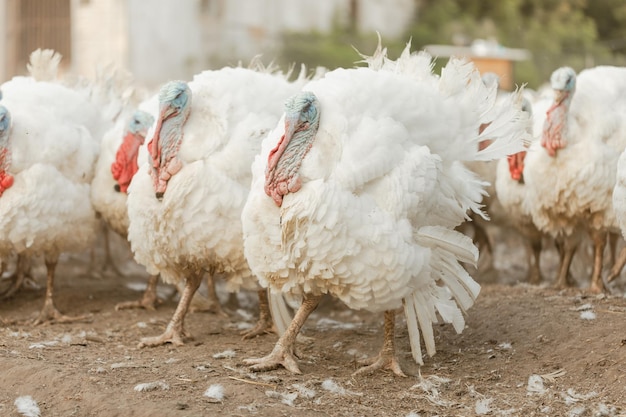
Turkey farming in South Africa is emerging as a profitable niche within the poultry sector, offering opportunities for both small-scale and commercial farmers. Demand for turkey meat is growing, driven by festive seasons, restaurants, and specialty markets, creating a steady income stream for producers. Unlike traditional broiler or layer operations, turkey farming requires careful planning, longer production cycles, and specialized management practices to ensure healthy growth and quality meat production. Farmers who approach the venture strategically can benefit from higher market prices, diversified product offerings, and increased farm profitability. Understanding the key elements of turkey production, from breed selection to feeding, housing, and marketing, is essential for long-term success.
The first step in establishing a turkey farm is selecting the right breed based on climate, growth rate, and market preference. Popular breeds in South Africa include the Broad Breasted White, Bronze, and Bourbon Red, each with unique characteristics in terms of size, meat quality, and adaptability. Farmers must also consider the age and source of poults, as healthy, well-bred chicks provide a solid foundation for the farm. Proper planning for the flock size is critical, as overstocking can lead to poor growth, disease outbreaks, and high mortality rates. Acquiring poults from reputable suppliers ensures strong genetics and reduces the risk of early-stage disease, which can impact profitability.
Housing and farm management play a vital role in the health and productivity of turkeys. Turkeys require spacious, well-ventilated housing with protection from extreme temperatures, predators, and disease. The floor space should allow birds to move freely while minimizing overcrowding, which can cause stress and limit growth. Clean bedding, regular sanitation, and adequate lighting are essential to prevent infections and maintain optimal living conditions. Proper housing not only ensures animal welfare but also enhances feed efficiency and growth rates, directly affecting the farm’s financial performance.
Feeding and nutrition are crucial factors that determine the growth, health, and overall profitability of a turkey farm. Turkeys require a balanced diet with appropriate protein, energy, vitamins, and minerals to support development at various stages. Starter feeds are necessary during the first weeks of life, followed by grower and finisher feeds as birds mature. Access to clean water at all times is critical, as dehydration can reduce growth rates and increase susceptibility to disease. Efficient feed management reduces waste, lowers costs, and maximizes weight gain, ensuring that turkeys reach market size within the planned production cycle.
Health management is another key component of a successful turkey farming operation. Disease prevention involves vaccination programs, regular veterinary check-ups, and strict biosecurity measures. Farmers must monitor for common illnesses such as coccidiosis, fowl cholera, and avian influenza, which can have devastating effects on flock health and productivity. Controlling farm access, disinfecting equipment, and promptly isolating sick birds are essential steps to limit disease transmission. Maintaining a healthy flock not only protects investment but also builds a reputation for quality products in the market.
Marketing and sales strategies play a critical role in determining profitability in turkey farming. Turkeys are often in higher demand during festive seasons, but they can also be sold to restaurants, hotels, and specialty meat outlets throughout the year. Farmers can increase revenue by offering whole birds, processed cuts, or value-added products such as smoked or marinated meat. Building relationships with buyers, cooperatives, and local markets ensures a consistent demand for farm products. Strategic planning around production cycles and market trends allows farmers to maximize sales and capture premium prices.
Turkey farming in South Africa requires careful planning, dedication, and ongoing management to be successful. By focusing on breed selection, proper housing, nutrition, health management, and effective marketing, farmers can develop a profitable and sustainable operation. While production cycles are longer than standard poultry farming, the higher returns and growing market demand make turkey farming an attractive investment. Farmers who adopt best practices and prioritize flock health can achieve consistent growth and financial stability. With careful management and strategic market engagement, turkey farming offers a rewarding pathway to success in South Africa’s agricultural sector.
Join 'Farmers Mag' WhatsApp Channel
Get the latest Farming news and tips delivered straight to your WhatsApp
CLICK HERE TO JOIN