South Africa’s dry regions face increasing pressure from low rainfall, rising temperatures, and unpredictable weather patterns, making water conservation a critical priority for farmers. Agriculture in these areas must adapt to survive, and water-saving farming methods are no longer optional but essential for long-term productivity and sustainability. Farmers who adopt efficient water management practices can protect their yields, reduce costs, and maintain soil health even under challenging conditions. With water scarcity becoming more severe in provinces such as the Northern Cape, parts of the Western Cape, and Limpopo, the need for practical, proven solutions continues to grow. By focusing on efficient irrigation, soil management, and crop selection, farmers can build resilience and secure their operations for the future.
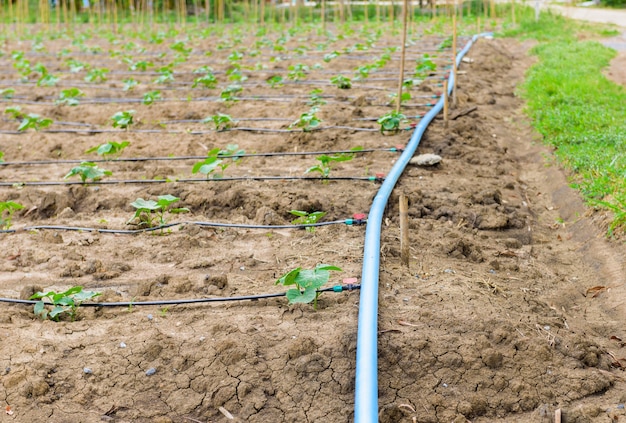
Efficient irrigation systems are one of the most effective ways to reduce water use while maintaining crop yields. Drip irrigation, for example, delivers water directly to plant roots, minimizing evaporation and runoff compared to traditional sprinkler systems. Farmers who invest in drip systems often see water savings of up to 50 percent while improving crop performance. Scheduling irrigation based on soil moisture levels rather than fixed routines ensures that crops receive water only when needed. Simple tools such as soil moisture probes or even manual soil checks can help farmers avoid overwatering. Maintaining irrigation equipment and fixing leaks promptly also prevents unnecessary water loss and reduces long-term costs.
Soil management plays a major role in conserving water and improving efficiency. Healthy soil retains moisture for longer periods, reducing the need for frequent irrigation. Farmers can improve soil structure by adding organic matter such as compost or manure, which increases water-holding capacity. Mulching is another effective method, as it reduces evaporation, controls weeds, and regulates soil temperature. Conservation tillage, which limits soil disturbance, helps retain moisture and prevents erosion. By focusing on soil health, farmers create a system that supports crops even during dry spells.
Crop selection and rotation are equally important in water-scarce environments. Drought-tolerant crops such as sorghum, millet, and certain legume varieties require less water and can perform well under dry conditions. Farmers can also select crop varieties bred for resilience and shorter growing cycles, which reduce overall water demand. Rotating crops improves soil fertility and reduces pest pressure, allowing for more efficient use of available water. Diversifying crops spreads risk and ensures that not all production depends on water-intensive crops. Careful planning of planting dates to align with seasonal rainfall can further improve water efficiency and crop success.
Water harvesting and storage systems provide additional support for farmers in dry areas. Techniques such as rainwater harvesting, contour ploughing, and the construction of small dams or reservoirs help capture and store water during periods of rainfall. This stored water can then be used during dry periods, reducing reliance on external water sources. Farmers can also use swales and trenches to direct water into the soil, improving groundwater recharge. These methods are cost-effective and can be implemented gradually, making them accessible to both small-scale and commercial farmers.
Technology is playing an increasing role in water-saving agriculture. Precision farming tools, including satellite data, weather monitoring systems, and mobile apps, allow farmers to make informed decisions about irrigation and crop management. These tools help optimize water use, reduce waste, and improve overall efficiency. Even simple technologies, such as timers and automated irrigation controls, can make a significant difference. By adopting appropriate technology, farmers can respond quickly to changing conditions and manage resources more effectively.
Water-saving farming methods are essential for ensuring the sustainability of agriculture in South Africa’s dry regions. By combining efficient irrigation, improved soil management, strategic crop selection, and water harvesting techniques, farmers can reduce water use while maintaining productivity. These practices not only protect farms from the impacts of drought but also improve long-term profitability and resilience. As water scarcity continues to challenge the agricultural sector, adopting practical and proven methods will be key to success. Farmers who act now and invest in water-efficient practices will be better positioned to thrive in an increasingly uncertain climate.
Join 'Farmers Mag' WhatsApp Channel
Get the latest Farming news and tips delivered straight to your WhatsApp
CLICK HERE TO JOIN