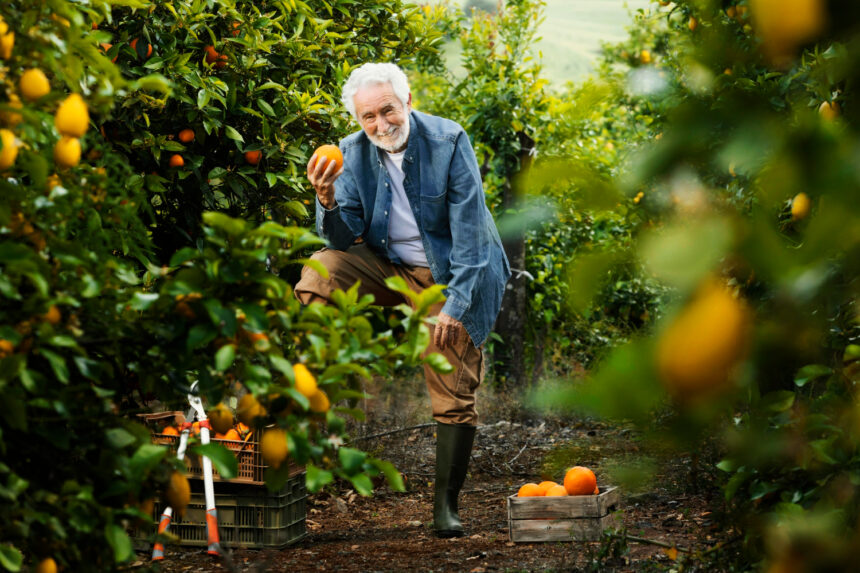
Orange farming in South Africa offers significant potential for profit, driven by strong domestic demand and expanding export markets. South Africa is one of the world’s leading producers of citrus, and oranges remain a staple fruit both locally and internationally. For aspiring farmers, understanding the essentials of successful orange cultivation—from site selection and climate considerations to soil management, irrigation, pest control, and marketing—is critical for achieving profitable yields. The combination of careful planning, proper variety selection, and efficient farm management directly influences the financial success of an orchard. With the right approach, orange farming can provide a stable income stream while contributing to the growth of South Africa’s citrus industry.
Climate and location are key factors in determining the success of an orange farm. Oranges thrive in areas with warm, frost-free conditions and well-distributed rainfall, although irrigation can supplement water needs in drier regions. Temperature fluctuations, especially frost or extreme heat during flowering and fruit set, can severely impact yield and fruit quality. Selecting a site with good air drainage, sufficient sunlight, and protection from strong winds helps minimise environmental stress. Soil type also affects growth; oranges prefer well-drained sandy loam or loamy soils with adequate fertility. Understanding local climatic conditions allows farmers to select the most suitable cultivars and implement effective management strategies.
Choosing the right orange variety is crucial for maximizing profitability. Varieties differ in fruit size, taste, juiciness, shelf life, and suitability for fresh markets or processing. Popular cultivars in South Africa include Valencia, Navel, and Washington Late, each with distinct advantages for growers targeting different markets. Valencia oranges are valued for juice production and extended harvest periods, while Navel oranges are popular for fresh consumption due to their sweet flavor and seedless nature. Farmers must consider market demand, harvest timing, and disease resistance when selecting cultivars, as these factors influence both yield potential and return on investment.
Proper soil preparation, fertilisation, and irrigation are critical for establishing a productive orchard. Soil should be tested before planting to determine nutrient content, pH levels, and any necessary amendments. Incorporating organic matter and balanced fertilisers ensures healthy tree growth and optimal fruit development. Young trees require consistent watering to establish strong root systems, while mature orchards benefit from irrigation methods such as drip systems, which conserve water and improve efficiency. Maintaining soil health and moisture levels supports high yields and reduces susceptibility to disease or nutrient deficiencies, directly impacting farm profitability.
Pest and disease management is another essential component of orange farming. Common challenges include citrus black spot, aphids, and fruit flies, all of which can reduce yield and marketability. Integrated pest management strategies combining biological controls, cultural practices, and selective chemical applications are recommended to protect crops effectively. Regular monitoring and early intervention prevent outbreaks from spreading and ensure fruit quality meets market standards. In addition, timely pruning, weed control, and nutrient management help maintain tree health and prolong orchard productivity, contributing to sustainable profits over time.
Marketing and sales strategies are key determinants of financial success in orange farming. Farmers can target local fresh markets, supermarkets, or export opportunities, depending on fruit quality, variety, and scale of production. Export markets often offer higher returns but require compliance with strict quality standards, phytosanitary regulations, and packing requirements. Diversifying sales channels reduces risk and stabilizes income, while investing in grading, packaging, and transport infrastructure enhances market competitiveness. By combining careful cultivation with strategic marketing, South African orange farmers can maximise profits while contributing to the growth and reputation of the national citrus industry.
Orange farming in South Africa presents a lucrative opportunity for both new and established farmers, provided that careful planning and management are applied. Success depends on understanding climatic conditions, selecting the right varieties, preparing and maintaining soil, implementing effective irrigation and pest control, and developing robust marketing strategies. By following best practices and adopting innovative approaches, farmers can achieve high yields, produce premium fruit, and secure profitable returns. Orange farming not only offers financial benefits but also supports sustainable agricultural growth and strengthens South Africa’s position as a leading citrus producer in the global market.
Join 'Farmers Mag' WhatsApp Channel
Get the latest Farming news and tips delivered straight to your WhatsApp
CLICK HERE TO JOIN