Starting a farming business in South Africa can be a rewarding venture, but choosing the right type of farm is critical for beginners seeking profitability. The country offers diverse climates, soils, and markets, making it possible to grow crops or raise livestock suited to your region. New farmers often face challenges such as limited experience, high startup costs, and fluctuating market prices, which makes selecting a profitable venture essential. Understanding demand, production costs, and potential revenue streams can help beginners make informed decisions and avoid costly mistakes. A clear focus on market needs, combined with practical planning and dedication, can lead to a sustainable farming business. South Africa’s agricultural sector supports a variety of enterprises, from small-scale crop farming to livestock and niche products. By evaluating your resources, skills, and market opportunities, you can identify a farm business that generates income and grows over time.
Vegetable farming is one of the most accessible and profitable options for beginners. Crops such as spinach, tomatoes, onions, and cabbage have consistent local demand and relatively low startup costs. Farmers can grow them in small plots, greenhouses, or hydroponic systems, depending on available space and investment. Seasonal planning and crop rotation are important to maintain soil fertility and maximize yields. Selling directly to local markets, restaurants, or through community-supported agriculture schemes can provide steady income. Proper irrigation, pest management, and fertilization techniques ensure high-quality produce that attracts repeat customers. With careful planning, vegetable farming offers both quick returns and the potential to scale production over time.
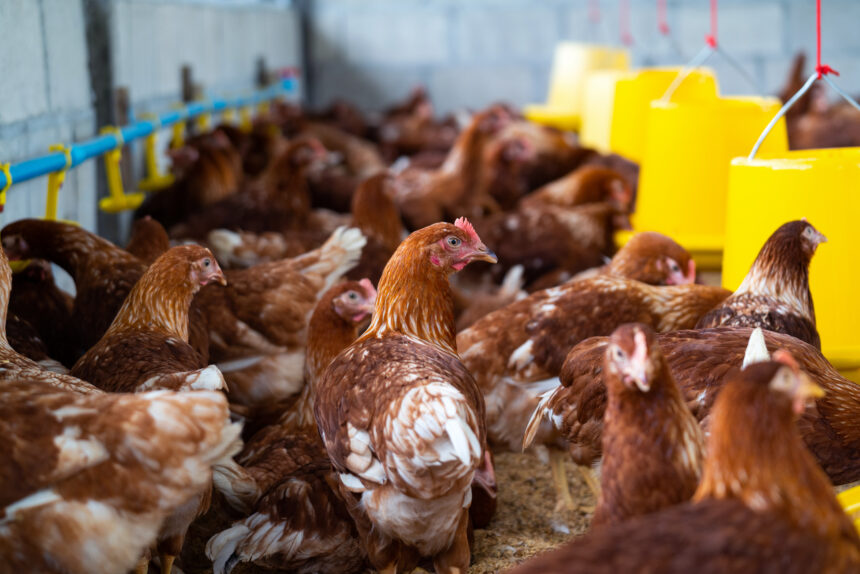
Poultry farming is another highly profitable option, particularly for meat or egg production. Chickens grow quickly, require moderate space, and offer rapid cash flow when managed efficiently. Layer chickens provide a steady supply of eggs, while broilers can be sold for meat in a few weeks. Beginners should focus on proper housing, feeding, and disease control to maintain healthy flocks. Establishing relationships with local buyers, schools, and restaurants can ensure consistent sales. Market research is essential to determine demand and pricing, which directly affects profitability. Poultry farming allows new farmers to start small and expand as expertise and resources grow.
Beekeeping is a growing niche with strong profit potential in South Africa. Honey, beeswax, and related products have steady demand both locally and internationally. Beekeeping requires relatively low space, minimal daily labor, and can be integrated with crop farming to enhance pollination. Beginners should invest in quality hives, protective gear, and training to manage colonies effectively. Selling raw honey, flavored honey, and other bee products through farmers’ markets or online platforms can generate high margins. Beekeeping also offers environmental benefits, contributing to biodiversity and healthy ecosystems. With proper management, it can provide both financial returns and long-term sustainability.
Herb and spice farming is another profitable venture that suits small-scale beginners. Plants like basil, rosemary, mint, and chillies can be grown in limited space, greenhouses, or pots. Fresh herbs have high market value and consistent demand from households, restaurants, and food processors. Proper irrigation, soil management, and pest control are essential to maintain quality and yield. Marketing strategies such as packaging, branding, and direct-to-consumer sales can increase profitability. Herbs can be harvested multiple times per season, allowing continuous income. This type of farming requires minimal capital and can be scaled according to demand and available resources.
Fish farming, or aquaculture, presents a lucrative opportunity in South Africa, particularly for tilapia and catfish. Fish have fast growth rates, and controlled farming systems reduce dependence on weather conditions. Beginners must invest in tanks, ponds, water management systems, and feed. Proper monitoring of water quality, feeding schedules, and disease prevention ensures healthy stock and high survival rates. Local restaurants, markets, and retailers often provide ready markets for fresh fish. With strategic planning and consistent management, aquaculture can deliver high returns and expand into larger commercial operations.
Profitable farming businesses for beginners in South Africa include vegetable farming, poultry, beekeeping, herb cultivation, and fish farming. Each option has its advantages, challenges, and capital requirements, but all can generate income when approached with proper planning and management. Understanding market demand, production techniques, and operational costs is essential to maximize profitability. Starting small, learning continuously, and gradually scaling operations reduces risks and builds a sustainable business. By focusing on high-demand products and efficient production methods, new farmers can create a stable income stream. Profitability increases with attention to quality, marketing, and customer relationships. A strategic approach to choosing the right farming business ensures long-term success in South Africa’s dynamic agricultural sector.
Join 'Farmers Mag' WhatsApp Channel
Get the latest Farming news and tips delivered straight to your WhatsApp
CLICK HERE TO JOIN