Irrigation farming in South Africa offers farmers the ability to grow crops consistently, even in regions with unreliable rainfall. This approach maximizes land productivity, reduces crop failure risks, and can significantly increase profits compared to rain-fed agriculture. Many aspiring farmers struggle with water management, crop selection, and infrastructure costs, making careful planning essential before starting. Understanding local climate conditions, water availability, soil type, and market demand forms the foundation of a successful irrigation farm. By combining technology, sustainable practices, and market research, farmers can create reliable income streams while conserving natural resources. Starting with a clear plan helps prevent costly mistakes and ensures that investments in irrigation systems and inputs provide maximum return. A well-executed irrigation strategy enables farmers to cultivate high-value crops year-round, supporting both local and export markets.
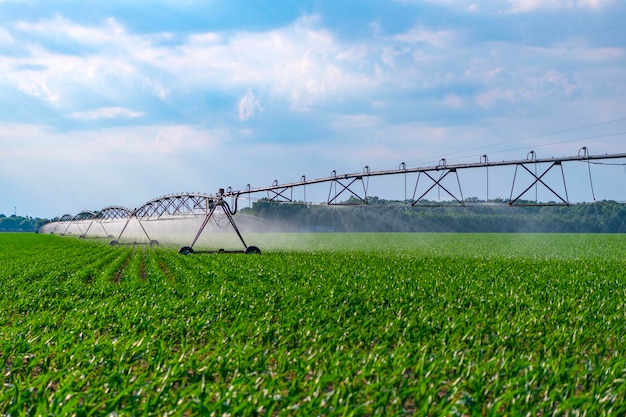
The first step in irrigation farming is assessing your water resources. Identify reliable water sources, such as rivers, boreholes, or dams, and ensure legal compliance with water-use regulations in South Africa. Water quality is equally important, as high salinity or contamination can harm crops and soil health. Next, determine the most suitable irrigation method for your farm, whether drip irrigation, sprinklers, or pivot systems, based on your crop type, farm size, and budget. Drip irrigation is ideal for water conservation and high-value crops, while sprinklers can cover larger areas efficiently. Proper planning of irrigation layout and water flow ensures uniform distribution and reduces waste, ultimately protecting your investment and improving yields.
Soil preparation is critical for the success of an irrigation farm. Conduct soil tests to determine nutrient levels, pH balance, and drainage capacity. Amend the soil as needed with compost, fertilizers, or lime to create optimal conditions for crop growth. Raised beds or contour farming can enhance water distribution and prevent waterlogging in heavy soils. Efficient soil management improves water absorption, reduces runoff, and ensures crops receive consistent moisture. Regular monitoring of soil moisture and fertility helps maintain healthy plants and maximizes the productivity of the irrigation system over time.
Selecting the right crops is a key factor in profitability. Focus on crops that thrive under irrigation and have strong local or export demand, such as tomatoes, peppers, leafy vegetables, or certain fruits. Consider seasonal market trends and pricing to ensure consistent sales throughout the year. Diversifying crops can reduce risk and improve overall farm resilience. Proper spacing, planting schedules, and crop rotation help maintain soil health and reduce pest and disease pressures. By aligning crop choice with market opportunities and irrigation capacity, farmers can achieve higher yields and secure reliable revenue streams.
Investing in infrastructure and technology is essential for efficient irrigation farming. This includes pumps, pipes, filters, timers, and storage tanks tailored to your farm’s size and water source. Automation and sensors can improve water use efficiency and reduce labor requirements. Proper maintenance of equipment prevents breakdowns and ensures long-term functionality. Additionally, implementing sustainable practices such as rainwater harvesting, mulching, and cover crops can further optimize water usage and protect the environment. Technology combined with careful management ensures that your farm operates efficiently and profitably.
Effective farm management and record-keeping support long-term success. Track water usage, crop growth, input costs, and yields to identify areas for improvement. Monitor pest and disease incidents and adjust irrigation schedules accordingly. Developing a marketing plan and establishing relationships with buyers ensures your crops reach the right markets at the best prices. Training and continuous learning in irrigation techniques, soil management, and pest control enhance your skills and increase farm performance. Strong management practices reduce risks, increase efficiency, and position your farm for growth in South Africa’s competitive agricultural sector.
Starting irrigation farming in South Africa requires careful planning, knowledge of water resources, soil management, crop selection, and infrastructure investment. Success depends on aligning irrigation practices with crop requirements, market demand, and sustainable water use. Proper preparation and continuous monitoring increase yields, reduce risks, and maximize profitability. By combining technology, efficient management, and market awareness, farmers can create a resilient, productive, and profitable irrigation farm. Strategic planning, attention to detail, and commitment to best practices provide a foundation for long-term success. With dedication, irrigation farming can become a reliable source of income while contributing to food security and economic development.
Join 'Farmers Mag' WhatsApp Channel
Get the latest Farming news and tips delivered straight to your WhatsApp
CLICK HERE TO JOIN