

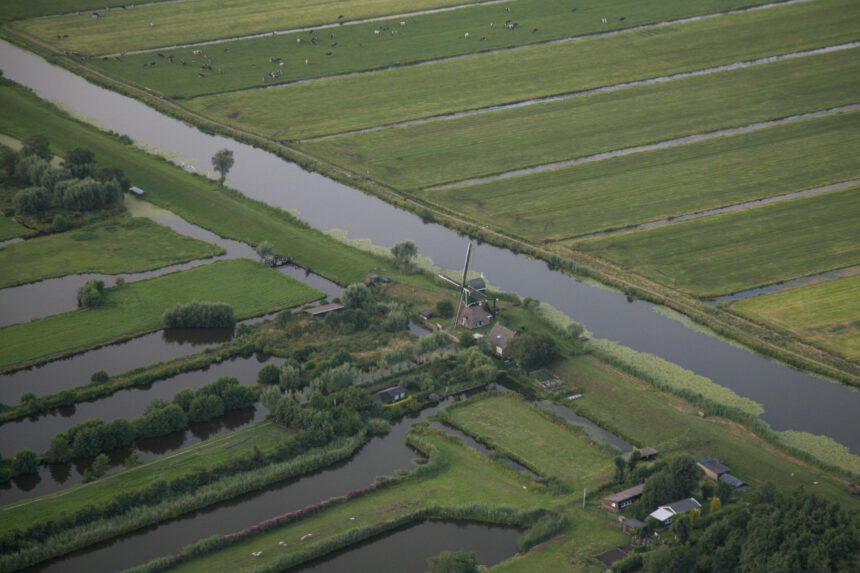
Flooding presents a serious risk to farmers in South Africa, causing damage to crops, livestock, infrastructure, and soil health. Heavy rains and overflowing rivers can disrupt planting schedules, reduce yields, and increase post-harvest losses, which directly affect farm income and food security. Effective flood management is therefore essential for protecting agricultural investments and maintaining operational stability. Farmers must implement strategies that not only mitigate damage during extreme weather events but also support long-term resilience against climate variability. By understanding practical flood management techniques, farmers can reduce risks and safeguard both their land and livelihoods.
One of the most important steps in flood management is proper land and soil management. Maintaining strong soil structure and drainage systems helps reduce waterlogging and prevents soil erosion during heavy rains. Farmers can install contour bunds, ditches, and swales to redirect excess water away from crop fields and vulnerable infrastructure. Cover cropping and maintaining vegetation along riverbanks or low-lying areas also stabilizes soil and reduces sediment runoff. These measures not only protect crops but also improve soil health, which enhances long-term productivity and resilience.
Infrastructure planning is another critical component of flood management. Properly designed and maintained drainage systems, raised beds, and embankments can prevent water from accumulating in critical areas. Storage facilities, barns, and greenhouses should be constructed above flood-prone zones or reinforced to withstand heavy water flow. Access roads and farm equipment should also be positioned to avoid disruption during floods. Planning infrastructure with flood risks in mind reduces losses and allows farms to recover faster after extreme weather events.
Early warning systems and monitoring also play a crucial role in managing flood risks. Farmers can use weather forecasts, river level monitoring, and rainfall data to anticipate flooding and make informed decisions about planting, harvesting, and livestock management. Timely evacuation of animals, moving equipment to higher ground, and adjusting crop management practices can prevent major losses. In addition, farmers should coordinate with local authorities and agricultural extension services to receive updated guidance and support during flood events. Proactive monitoring allows for strategic action that minimizes the impact of flooding on operations.
Insurance and financial planning further strengthen a farm’s ability to cope with floods. Crop and livestock insurance can offset losses caused by natural disasters, while contingency funds ensure that recovery efforts can begin quickly. Farmers should review insurance policies to ensure coverage includes flood-related damages and understand the claims process. Combining insurance with on-farm mitigation strategies creates a comprehensive approach to risk management. This holistic preparation reduces both financial and operational vulnerabilities, helping farmers sustain production and income despite extreme weather.
Effective flood management is essential for farmers in South Africa to protect crops, livestock, and infrastructure while maintaining food security and economic stability. Through proper soil and land management, resilient infrastructure, early warning systems, and financial safeguards, farmers can significantly reduce the impact of flooding. Planning for floods should be integrated into overall farm management strategies, ensuring long-term sustainability. By adopting these measures, farmers not only minimize losses during extreme weather events but also strengthen their resilience against future climate risks. Flood preparedness transforms a reactive approach into a proactive strategy that supports continuous productivity and growth.
Join 'Farmers Mag' WhatsApp Channel
Get the latest Farming news and tips delivered straight to your WhatsApp
CLICK HERE TO JOIN




