Biodiversity and ecosystem services are essential components of sustainable farming in South Africa, providing critical benefits that support productivity, resilience, and environmental health. Biodiversity refers to the variety of plants, animals, microorganisms, and habitats present on a farm, while ecosystem services are the benefits these elements provide, such as pollination, soil fertility, water regulation, and pest control. Farmers who understand and manage biodiversity can reduce reliance on chemical inputs, improve crop yields, and maintain healthy ecosystems that sustain long-term productivity. Integrating ecosystem services into farming practices is particularly important in South Africa, where climate variability, soil degradation, and water scarcity pose significant challenges to agriculture. By using biodiversity strategically, farmers can create systems that are both profitable and environmentally sustainable.
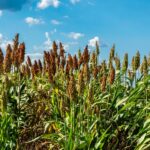
One of the first steps in using biodiversity on a farm is assessing the existing natural resources and species present. This includes identifying native plants, pollinators, beneficial insects, soil organisms, and nearby wildlife that contribute to ecosystem functioning. Farmers can enhance these natural assets by planting cover crops, maintaining hedgerows, and creating buffer zones along waterways. These practices provide habitat for pollinators and predators of crop pests, while also preventing soil erosion and improving water infiltration. Crop diversification, including intercropping and rotation, further supports biodiversity and reduces the risk of pest outbreaks or nutrient depletion. By intentionally fostering a diverse farm environment, farmers can increase resilience to environmental stresses and reduce the need for chemical interventions.
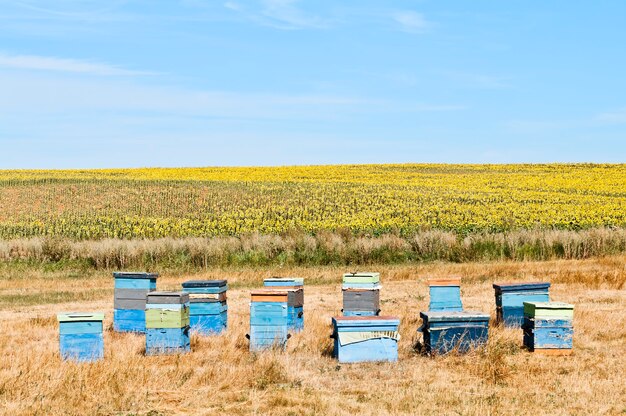
Pollination and natural pest control are among the most valuable ecosystem services for agricultural productivity. Native bees, birds, and insects play a critical role in pollinating fruit, vegetables, and seed crops, directly influencing yields and quality. Similarly, predatory insects and birds can help control pests such as aphids, caterpillars, and rodents, reducing crop damage without relying solely on pesticides. Farmers can encourage these beneficial species by providing flowering plants, nesting sites, and natural habitats within or near their fields. Water management also benefits from biodiversity, as wetlands, riparian buffers, and soil microorganisms help regulate water flow, improve water quality, and maintain soil structure. Integrating these services into farm planning strengthens productivity while preserving environmental integrity.
Soil health is another key area where biodiversity and ecosystem services intersect. Healthy soils contain a diverse community of microorganisms that decompose organic matter, fix nitrogen, and enhance nutrient availability for crops. Farmers can support soil biodiversity by reducing tillage, adding organic compost, planting legumes, and rotating crops. Cover crops and mulches help maintain soil moisture, suppress weeds, and provide food for beneficial soil organisms. These practices reduce erosion, improve soil fertility, and enhance the resilience of crops to drought or disease. Managing soil as a living ecosystem is an investment in long-term farm productivity and sustainability.
Farmers can also use biodiversity to create economic and ecological benefits beyond their immediate fields. Agroforestry, for example, integrates trees with crops or livestock, providing shade, fodder, timber, and fruit while enhancing carbon sequestration and soil fertility. Maintaining natural habitats such as wetlands, grasslands, or woodlands can attract ecotourism opportunities or provide sources of medicinal plants, wild fruits, and seeds. Strategic planting of windbreaks or shelterbelts protects crops and livestock from extreme weather events while promoting biodiversity corridors. By leveraging ecosystem services creatively, farmers can diversify income streams, reduce input costs, and improve resilience to climate change.
Using biodiversity and ecosystem services effectively requires careful planning, monitoring, and adaptation. Farmers should observe and document the impact of different practices on crop performance, pest populations, pollinators, and soil health. Engaging with agricultural extension officers, conservation agencies, and farmer networks can provide guidance and share best practices for integrating biodiversity into farm management. By prioritizing ecological health alongside productivity, farmers can achieve sustainable, resilient farming systems that support food security and protect natural resources. Biodiversity and ecosystem services are not optional extras—they are essential tools that empower South African farmers to grow more sustainably while strengthening rural livelihoods and preserving the environment for future generations.
Join 'Farmers Mag' WhatsApp Channel
Get the latest Farming news and tips delivered straight to your WhatsApp
CLICK HERE TO JOIN