

Agricultural logistics plays a critical role in the success of South Africa’s farming sector. The country produces large volumes of fruit, vegetables, grains, sugarcane and livestock that must move efficiently from farms to markets. This movement includes transportation, storage, processing and distribution across local and international supply chains. Farmers depend on reliable logistics systems to protect product quality and meet delivery deadlines. Efficient logistics also helps reduce food waste and protect farm income. A clear understanding of agricultural logistics helps producers, distributors and policymakers strengthen the national food system.
Agricultural logistics refers to the process that moves farm products from production areas to consumers. The process starts on the farm during harvesting or livestock processing. Products then move through sorting, grading and packaging facilities where they are prepared for distribution. After this stage, goods travel to warehouses, distribution centers or export terminals. From these locations they reach wholesalers, retailers or international markets. Each stage requires coordination between farmers, transport companies, storage facilities and exporters. Strong coordination ensures food safety, product traceability and consistent quality across the supply chain.
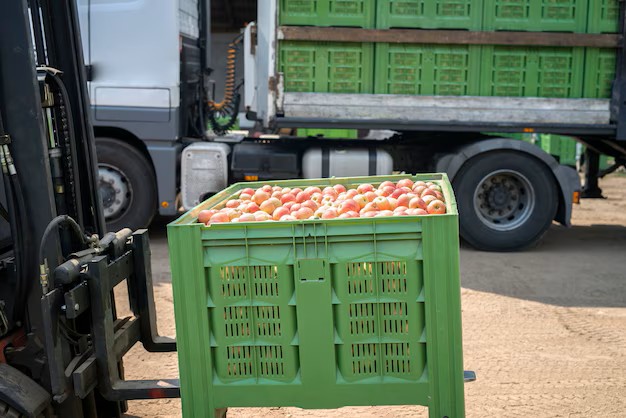
Transportation forms one of the most important parts of agricultural logistics in South Africa. Most agricultural products travel by road because farms are often located far from rail infrastructure. Trucks move fresh produce from farms to packhouses, cold storage facilities and major markets. Rail transport supports the movement of bulk commodities such as grain and sugar across long distances. Air freight also plays a role when high value products must reach overseas markets quickly. Each transport option has different costs and delivery speeds. Logistics planning helps farmers and distributors choose the most efficient transport solution.
Cold chain logistics supports the distribution of perishable agricultural products. Fresh produce such as citrus, berries, avocados and vegetables requires controlled temperatures throughout transport and storage. Cold storage facilities, refrigerated trucks and temperature monitored containers help maintain freshness and prevent spoilage. Without effective cold chain systems, products can lose quality before they reach consumers. Export markets demand strict temperature control and quality standards for imported food. Strong cold chain infrastructure therefore protects both product quality and export opportunities.
Storage and warehousing systems also support agricultural logistics. Warehouses allow farmers and distributors to store products until market demand increases or transportation becomes available. Grain silos preserve maize, wheat and other staple crops for long periods. Packhouses prepare fresh produce for local distribution or export by cleaning, grading and packaging products. Proper storage protects agricultural goods from pests, contamination and weather damage. Efficient warehouse management also reduces post harvest losses and improves supply stability across seasons.
South Africa’s agricultural logistics system faces several challenges that affect efficiency. Rural infrastructure remains a major concern for farmers who must move goods over long distances to reach markets. Poor road conditions can increase transport time and vehicle costs. Congestion at major ports can also delay shipments during busy export seasons. These delays may reduce product quality and increase storage costs for exporters. In severe cases, farmers may lose revenue when products miss export shipping schedules.
Technology is starting to improve agricultural logistics operations in the country. Digital tracking systems allow companies to monitor shipments in real time. Sensors placed in refrigerated containers help track temperature and humidity levels during transport. These tools allow logistics teams to respond quickly when problems occur. Automated warehouse systems also improve inventory management and reduce handling errors. Data driven logistics planning helps companies identify faster delivery routes and reduce operational costs.
Agricultural logistics also supports South Africa’s strong export industry. The country exports large volumes of citrus fruit, grapes, wine and other agricultural products to international markets. Successful exports depend on efficient logistics networks that connect farms to ports and global shipping routes. Freight companies, packhouses and exporters must work closely to meet strict delivery schedules. International buyers expect consistent quality and reliable supply. Efficient logistics systems help South African producers maintain strong relationships with global markets.
Government and private sector collaboration can strengthen agricultural logistics in the country. Investment in road networks, rail systems and port infrastructure can reduce transportation bottlenecks. Public private partnerships can support the development of cold storage facilities and logistics hubs near major farming regions. Training programs can also help farmers and logistics operators adopt modern supply chain technology. Strong cooperation between stakeholders improves the resilience of agricultural distribution systems.
Agricultural logistics remains one of the most important pillars of South Africa’s food supply and export economy. Efficient transport, storage and cold chain systems allow farmers to move products quickly while protecting quality. Although the sector faces infrastructure challenges and operational delays, improvements in technology and investment can strengthen supply chains. Reliable logistics networks support farmers, exporters and consumers across the country. A strong agricultural logistics system will continue to support economic growth and food security in South Africa.
Join 'Farmers Mag' WhatsApp Channel
Get the latest Farming news and tips delivered straight to your WhatsApp
CLICK HERE TO JOIN




