

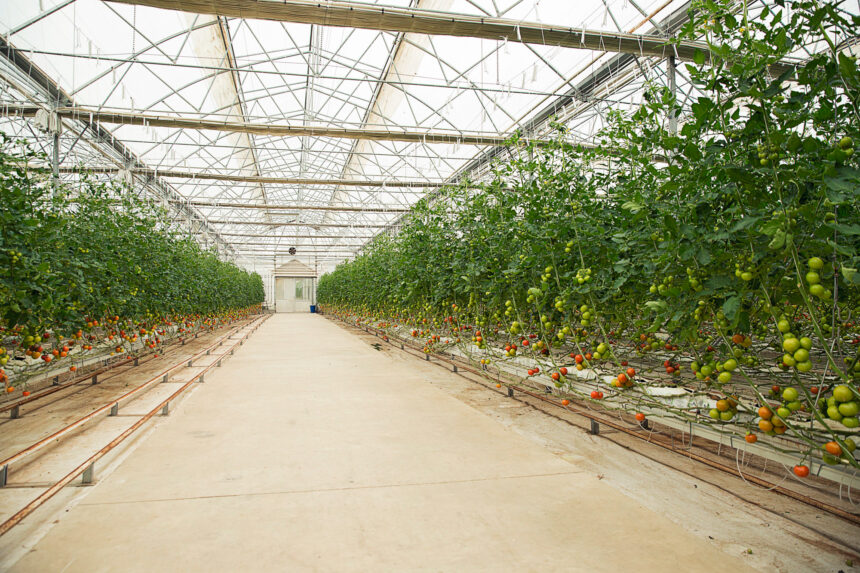
Indoor farming is rapidly gaining attention in South Africa as a method to grow fresh produce year-round while overcoming challenges posed by climate change, limited arable land, and water scarcity. Unlike traditional farming, indoor farming takes place in controlled environments such as greenhouses, vertical farms, or hydroponic systems. These systems allow farmers to manage temperature, humidity, light, and nutrient supply, creating optimal conditions for plant growth. Indoor farming offers a reliable solution for urban areas and regions with unpredictable rainfall, providing consistent yields regardless of external weather conditions. By adopting indoor farming, producers can increase efficiency, reduce dependence on seasonal cycles, and supply high-quality crops to local and international markets.
A key aspect of successful indoor farming is choosing the right production system. Hydroponics, aeroponics, and aquaponics are popular techniques, each with distinct advantages. Hydroponics uses nutrient-rich water instead of soil, allowing precise control over plant nutrition and faster growth rates. Aeroponics suspends plant roots in the air and periodically sprays them with nutrients, optimizing oxygen availability and reducing water use. Aquaponics combines fish farming with plant cultivation, creating a symbiotic system where fish waste provides nutrients for plants. Choosing the right system depends on factors such as available space, budget, crop type, and technical expertise.
Technology plays a vital role in indoor farming operations. Automated irrigation, climate control systems, and LED lighting ensure plants receive consistent care and resources. Sensors monitor soil moisture, nutrient levels, and plant health, allowing farmers to make data-driven decisions and reduce waste. Indoor farms can also employ software to track growth cycles, manage energy use, and optimize production schedules. These innovations help increase productivity while lowering operational costs over time. Investing in technology not only improves yield but also reduces the environmental footprint of agricultural production by using resources more efficiently.
Water management is another critical factor for indoor farming in South Africa, where droughts are increasingly common. Systems such as recirculating hydroponics minimize water use by recycling nutrient solutions and reducing runoff. Rainwater harvesting and water purification techniques can supplement farm water supply, further conserving resources. Indoor farming also reduces exposure to pests and diseases, limiting the need for chemical pesticides and herbicides. This promotes healthier produce and aligns with growing consumer demand for safe, environmentally friendly food products.
Indoor farming provides opportunities for both commercial and small-scale urban farmers. Urban farms can supply local restaurants, markets, and supermarkets with fresh produce, reducing transportation costs and supporting local economies. Educational programs and community initiatives can teach residents about sustainable food production and encourage participation in local agriculture. Indoor farming also allows diversification of crops, including high-value vegetables, herbs, and leafy greens that may not thrive outdoors year-round. By creating resilient, controlled environments, farmers can respond quickly to market demands while ensuring consistent quality and supply.
Indoor farming is becoming an essential strategy for sustainable agriculture in South Africa. By combining technology, efficient water use, and controlled environments, farmers can overcome climatic challenges and produce reliable, high-quality crops. These systems support urban food security, reduce environmental impact, and enhance profitability for both small and large-scale producers. With continued investment in training, infrastructure, and innovation, indoor farming can expand across the country, offering a sustainable solution to feeding growing populations. Farmers who adopt indoor farming methods are better equipped to meet future challenges while contributing to resilient and productive agricultural systems.
Join 'Farmers Mag' WhatsApp Channel
Get the latest Farming news and tips delivered straight to your WhatsApp
CLICK HERE TO JOIN




