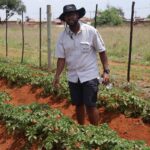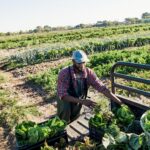
Prime agricultural land in South Africa faces growing pressure from expanding cities, infrastructure projects, and other forms of land development. As towns grow and industries expand, productive farmland often becomes vulnerable to conversion for non agricultural uses. This trend raises concerns for farmers, food producers, and policymakers who depend on stable land resources to maintain food production. Protecting agricultural land has therefore become a national priority as the country works to secure long term food security and rural livelihoods. The recent consultation workshop on the Preservation and Development of Agricultural Land Act, 39 of 2024, known as PDALA, represents a key step toward ensuring that South Africa’s most valuable farmland remains protected and sustainably managed.
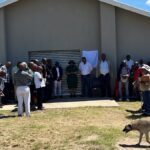
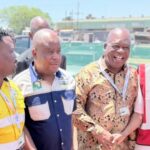
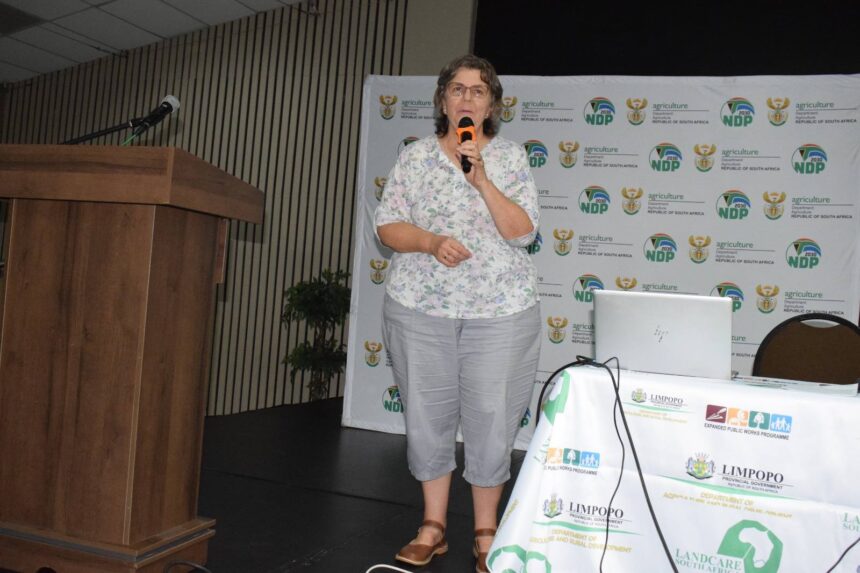
The Limpopo Department of Agriculture and Rural Development hosted a two day consultation workshop on the PDALA Draft Regulations and Notices at Bolivia Lodge in Polokwane. The event brought together agricultural specialists, land planners, government officials, and representatives from farming communities to discuss how the new regulations will shape land management practices. The aim of the workshop was to gather input from stakeholders who will be directly affected by the legislation. Discussions focused on how to implement the Act in a way that protects prime farmland while allowing responsible development where necessary. For farmers, the workshop provided important insight into how land use policies may influence farming operations in the future.
Director Richard Selemela explained the importance of agriculture to Limpopo’s economy and highlighted the need to safeguard high potential farmland. Limpopo remains one of South Africa’s leading agricultural provinces, producing a wide range of crops and livestock that support both local consumption and national supply chains. According to Selemela, protecting productive land ensures that farmers can continue to grow food, create jobs, and support rural communities. The PDALA legislation aims to prevent the unnecessary loss of farmland to non agricultural development by creating a clear framework for land use planning. At the same time, the Act allows for development that supports economic growth, provided that it does not undermine agricultural productivity.
Opening the session on behalf of Head of Department Ms Mpho Mashamba, Director for Geo Spatial Planning Ms Nkopane Makopoi emphasized the importance of cooperation between farmers, planners, municipalities, and government departments. She noted that successful implementation of the Act depends on collaboration and practical input from those who work directly with agricultural land. Makopoi encouraged participants to share their experiences and concerns during the consultation process. Feedback from farmers and land users will help shape regulations that are realistic and workable in farming environments. This approach ensures that the final regulations support both agricultural productivity and responsible land management.
During the workshop, Ms Anneliza Collett provided a detailed overview of how the PDALA regulations were developed and how they will guide future land use decisions. Her presentation explained the policy objectives behind the Act and the steps required to identify, protect, and manage valuable agricultural land. The regulations will introduce clearer procedures for evaluating proposed land developments that could affect farmland. For farmers, this means that prime agricultural land will receive stronger protection against inappropriate development. At the same time, land use planning processes will become more structured and transparent, helping farmers understand how planning decisions are made.
For the farming community, the PDALA legislation has practical implications that extend beyond policy discussions. Farmers may see stronger safeguards that prevent farmland from being lost to housing or industrial development. The regulations will also support better planning at municipal level, helping protect agricultural zones that are critical for food production. Farmers who participate in consultations and stay informed about the regulations will be better positioned to protect their land rights and farming activities. By engaging with these processes, farmers can help ensure that agricultural priorities remain central in land use planning.
The consultation workshop in Polokwane forms part of a broader national effort to strengthen land governance and protect South Africa’s agricultural resources. As the country continues to face population growth and expanding development, the need to preserve productive farmland becomes increasingly urgent. The PDALA regulations aim to create a balanced system where development can occur without compromising food production and rural economies. Through continued dialogue between government and the agricultural sector, South Africa can build policies that secure farmland for future generations. Protecting agricultural land today ensures that farmers will continue to produce food, create employment, and sustain rural communities well into the future.
Join 'Farmers Mag' WhatsApp Channel
Get the latest Farming news and tips delivered straight to your WhatsApp
CLICK HERE TO JOIN